
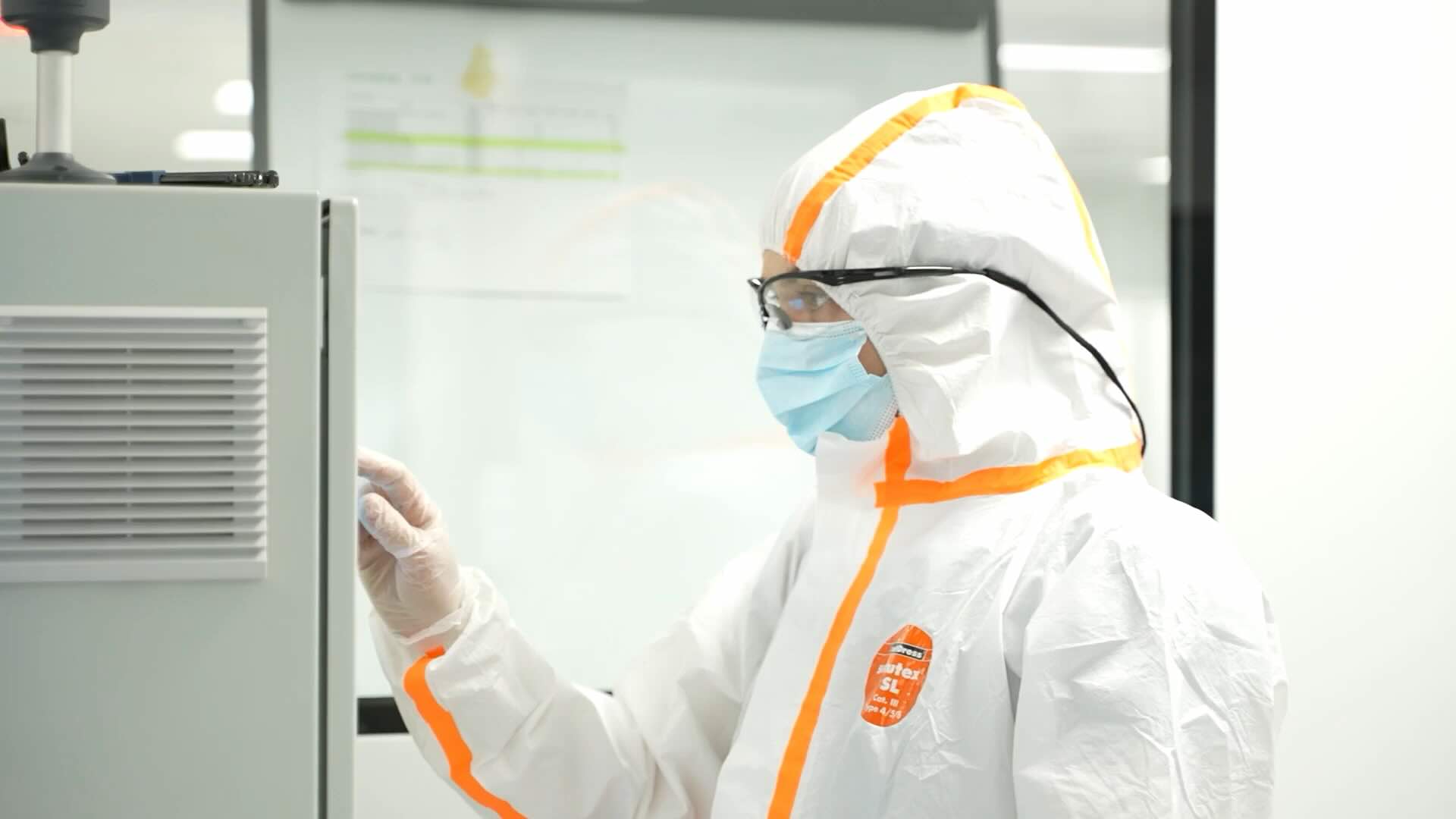
Cell culture is the process of growing and maintaining cells outside their original organism in a controlled environment. It is one of the most important foundations in modern biotechnology because it supports research, development and production under reproducible conditions.
What makes cell culture so relevant is not only that cells can survive in the lab. It is that they can be studied, expanded and used in controlled systems for applications ranging from drug development to regenerative medicine and vaccine research.
Cell culture means keeping cells alive and growing outside the body by giving them the right nutrients, temperature, atmosphere, pH and sterile conditions. When those parameters are well controlled, the culture becomes a powerful research and production tool.
What is cell culture?
Cell culture is the process of growing cells in an artificial environment outside the original organism. The goal is to create a stable and controlled space where cells can survive, proliferate and behave in a reproducible way for research or production purposes.
In practical terms, that means the cells need a suitable medium, the right temperature, the right gas environment and strict sterility. Once those conditions are kept stable, scientists can use cell culture to study biology, evaluate compounds, develop therapies and manufacture complex biological products.
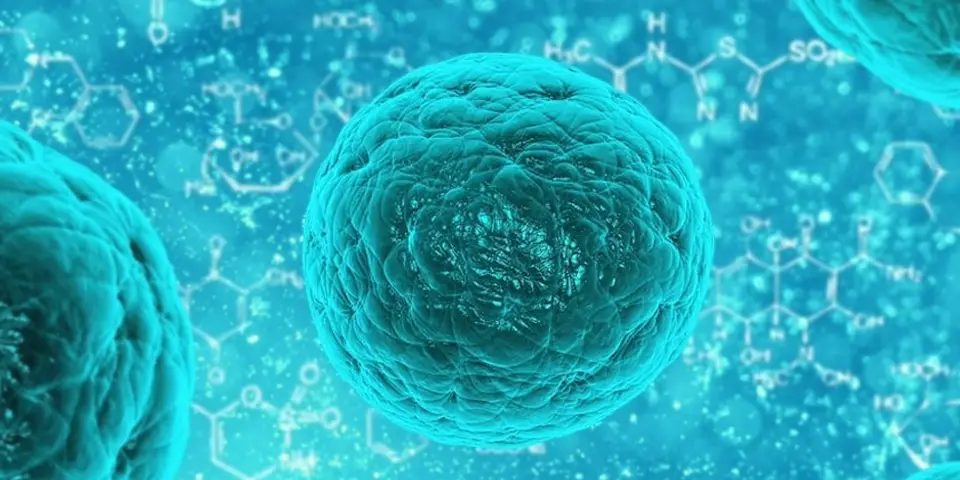
The goal is not simply to keep cells alive, but to keep them in a controlled state that makes their behaviour useful and reproducible.
Main types of cells used in culture
Cell culture usually involves three broad categories: primary cultures, established cell lines and stem cells. Each one is useful for different kinds of work.
Cells taken directly from tissue, often closer to the original biology but usually more limited in lifespan and handling flexibility.
Cells adapted for repeated culture work, widely used when consistency and long-term experimental reproducibility matter.
Cells with strong developmental potential, especially relevant for regenerative medicine and more advanced biological models.
The choice between these categories depends on the scientific objective. Some workflows need biological realism, others need repeatability and scalability.
How cell culture works
At a simple level, cell culture works by placing cells in an appropriate medium and maintaining the surrounding conditions inside a narrow operational window. What changes from one workflow to another is how tightly those conditions need to be controlled and how much scale is required.
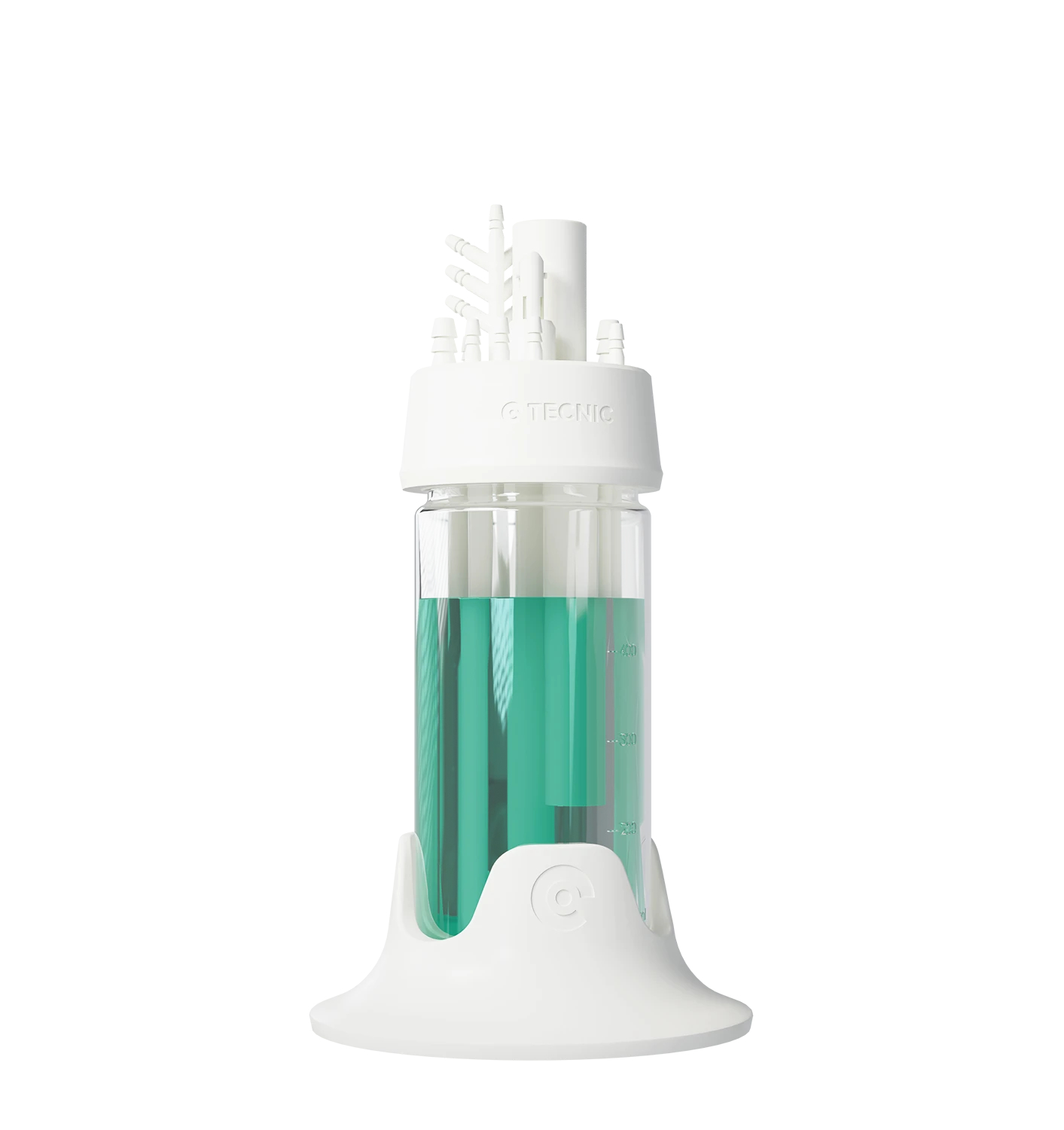
Cells are introduced into a suitable vessel or culture system.
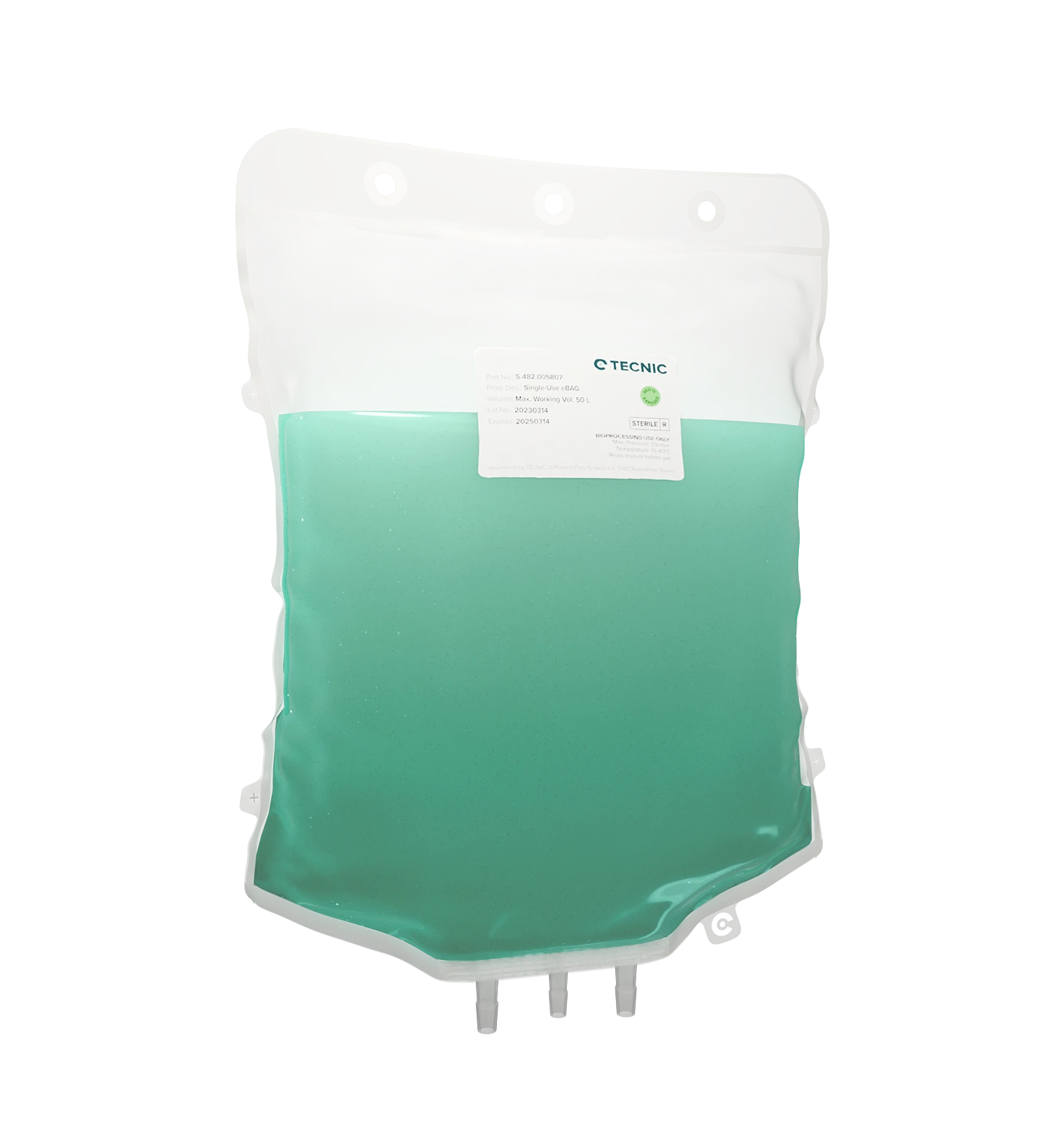
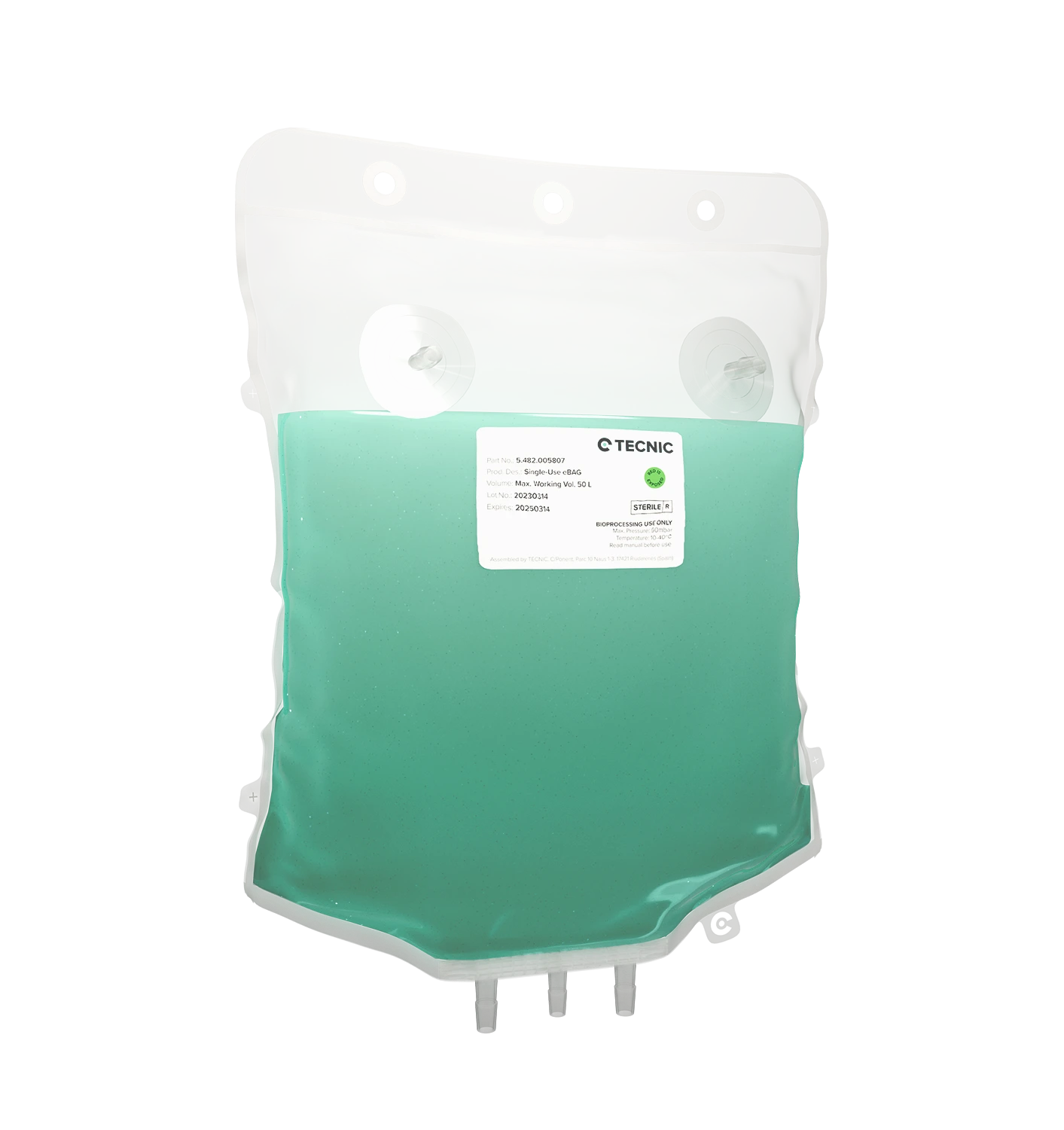
The medium supplies nutrients such as glucose, amino acids, salts, vitamins and growth-supporting components.
Temperature, humidity, pH and CO₂ are kept in the right range.
Sterility is maintained to avoid bacteria, fungi or other unwanted organisms.
Cell growth, morphology and performance are observed over time.
What cells need to grow well
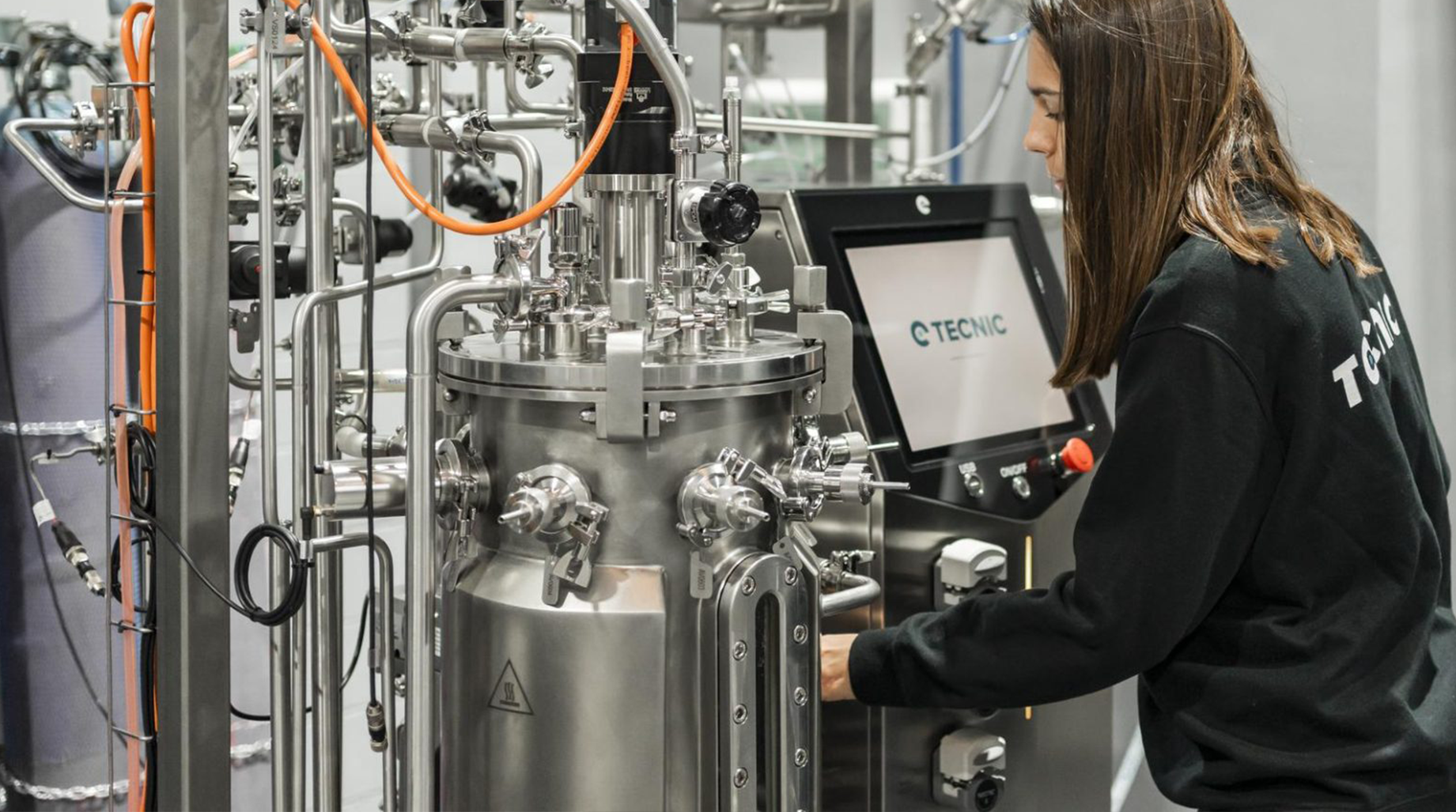
Successful culture depends on a few key conditions being stable at the same time: suitable medium composition, stable temperature and humidity, proper pH and CO₂ regulation, and strict sterility.
Cell culture success usually depends less on one miracle ingredient and more on keeping the whole environment stable.
Where cell culture is used
Cell culture is used across a broad range of biotechnology and biomedical fields. It supports drug development, regenerative medicine, virology, cancer research, toxicology and many forms of biologics production.
In research, it helps scientists understand biological mechanisms and test compounds. In bioproduction, it becomes part of the route toward vaccines, therapeutic proteins, viral vectors and more advanced medical applications.
How TECNIC fits this workflow
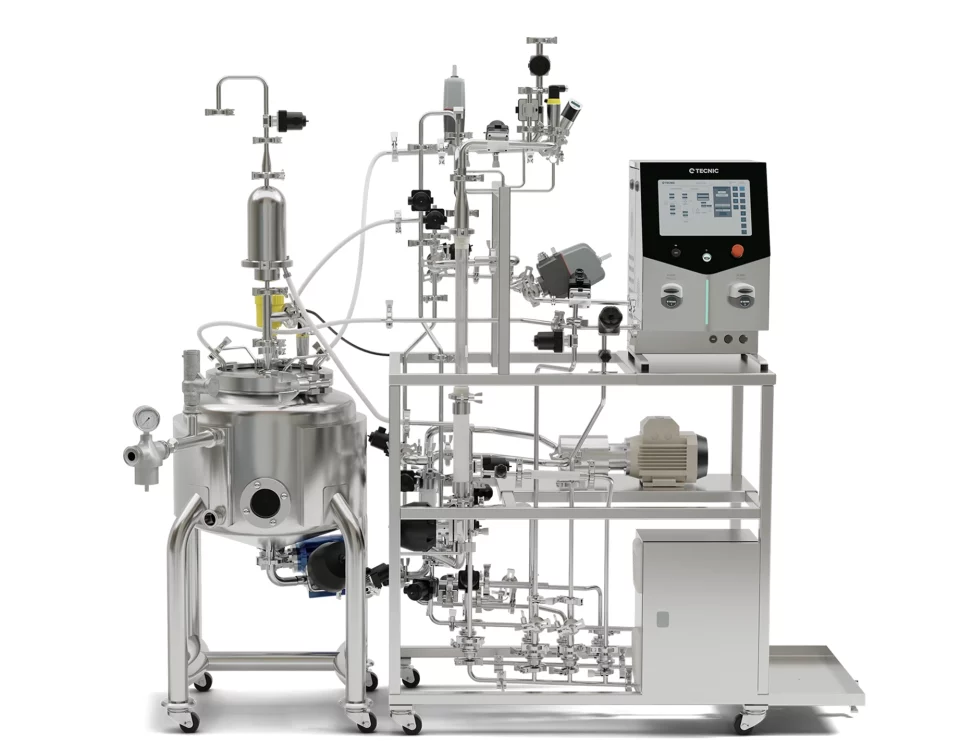
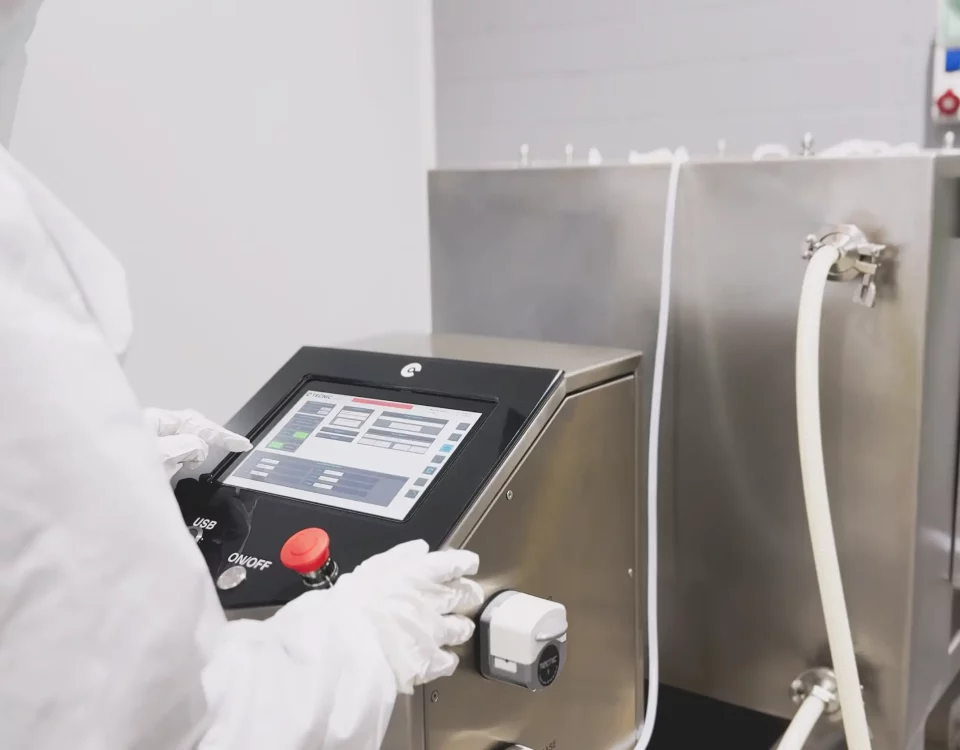
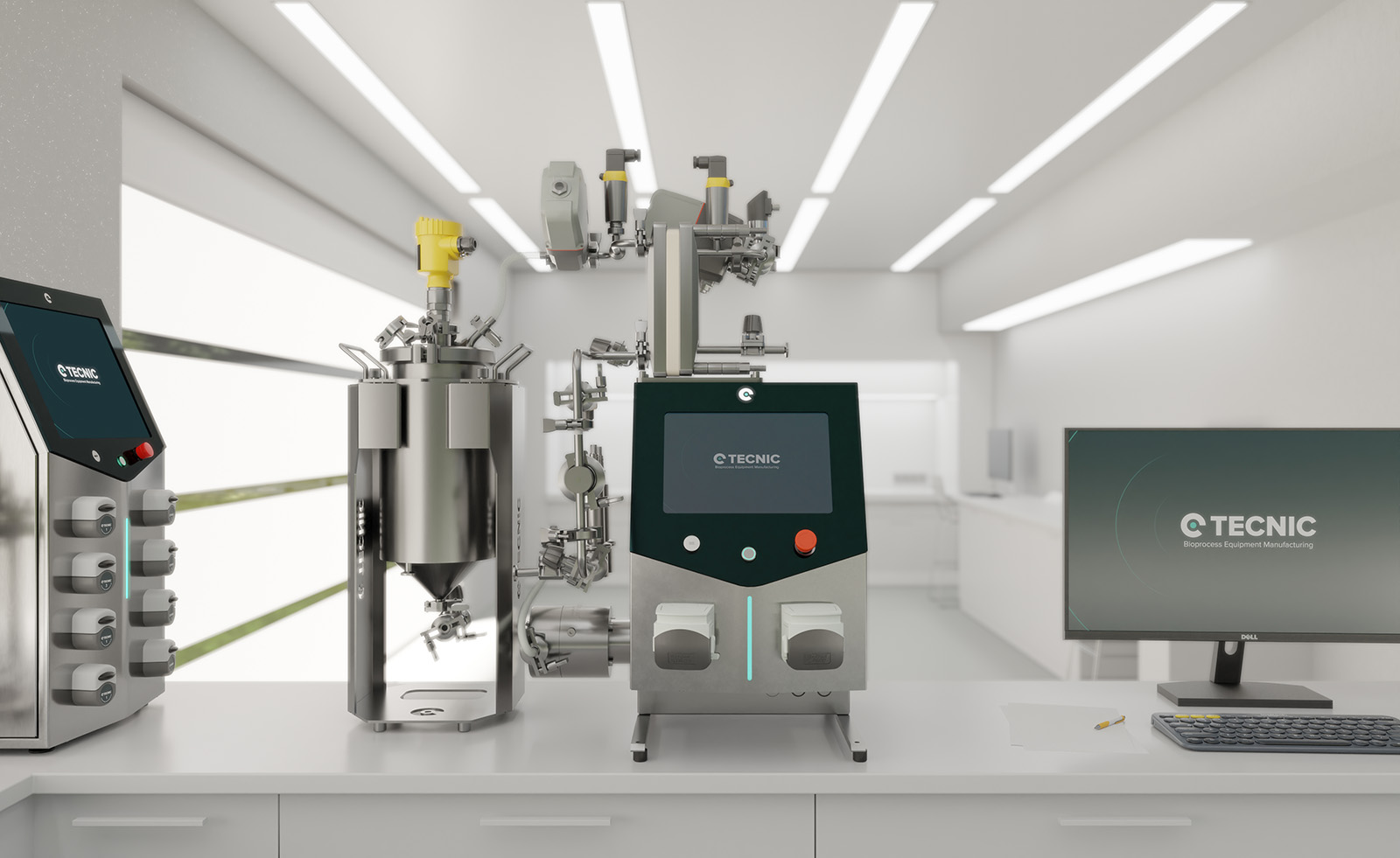
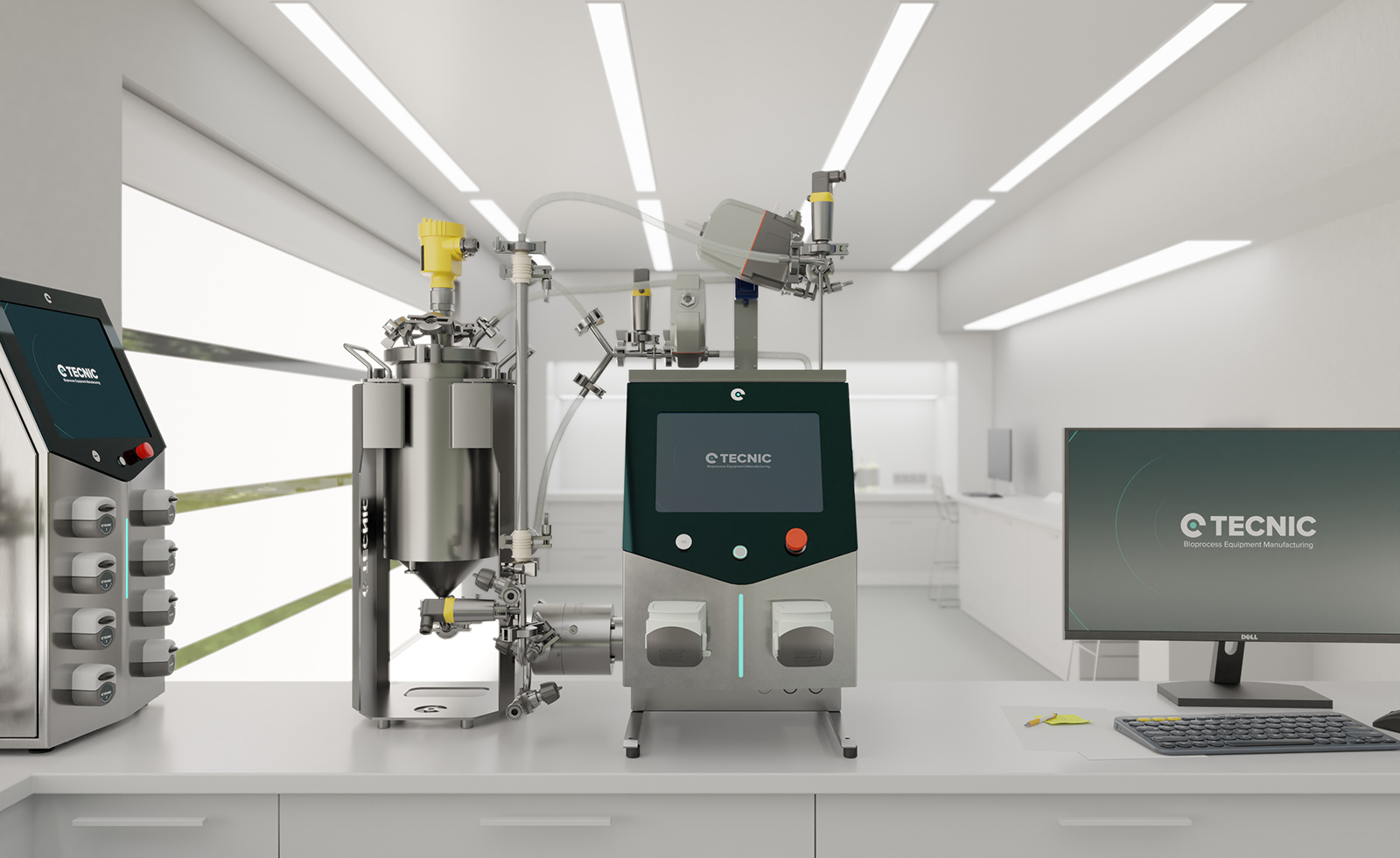
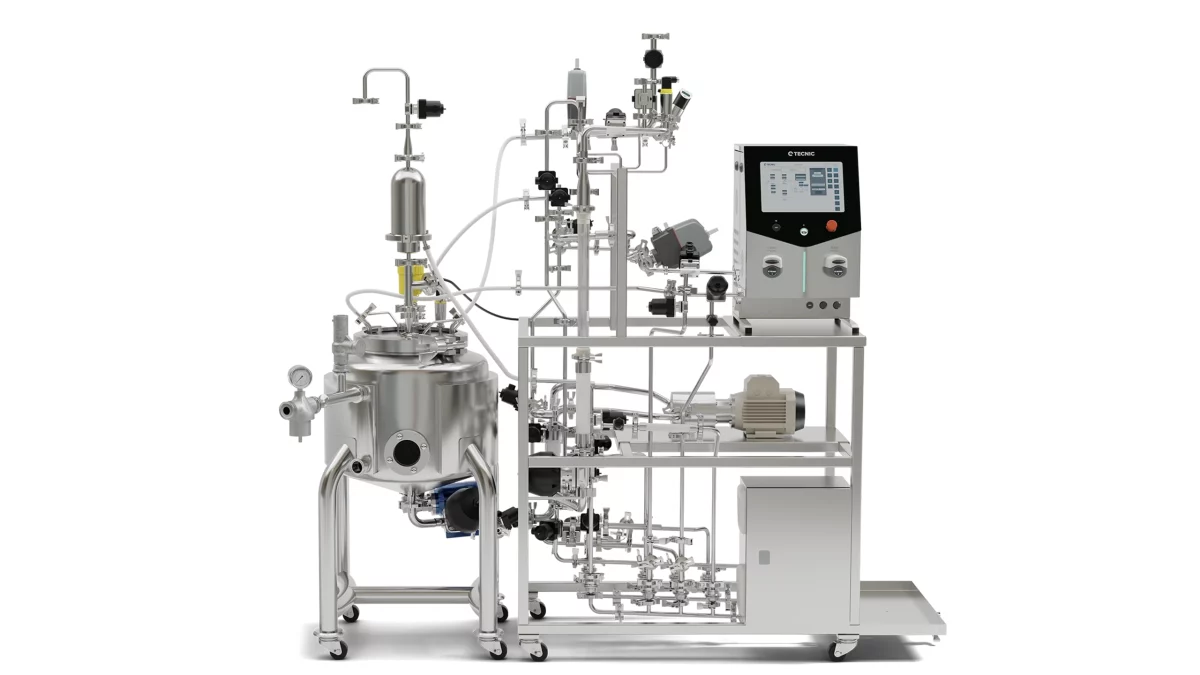
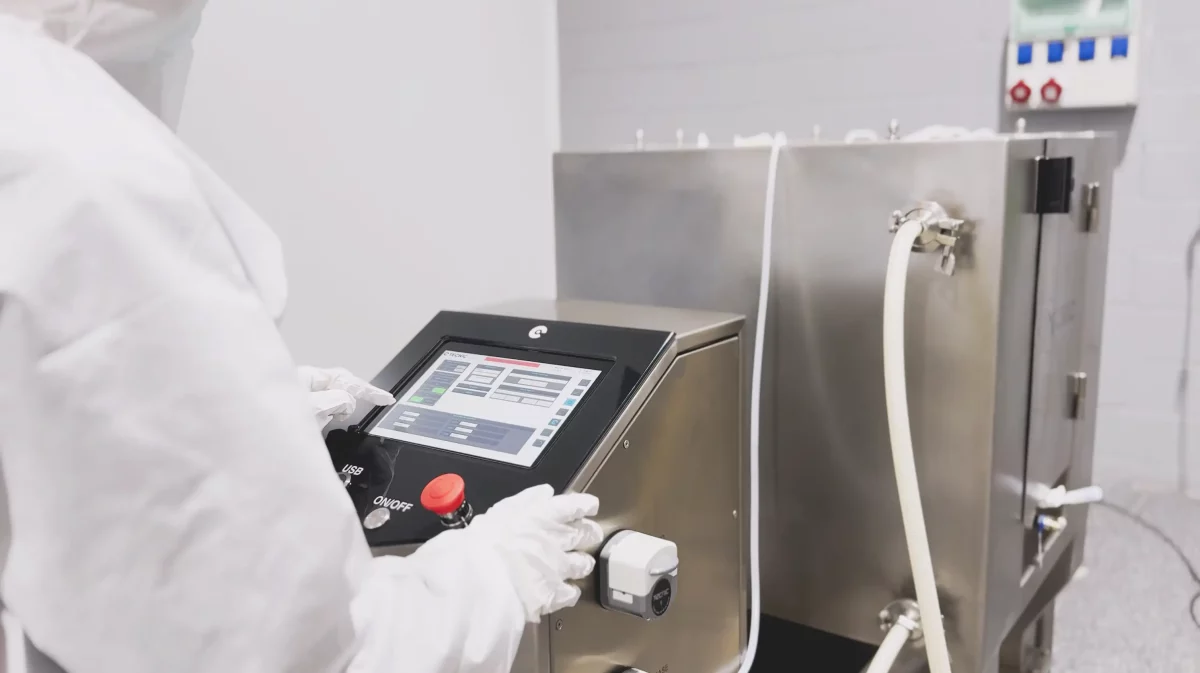
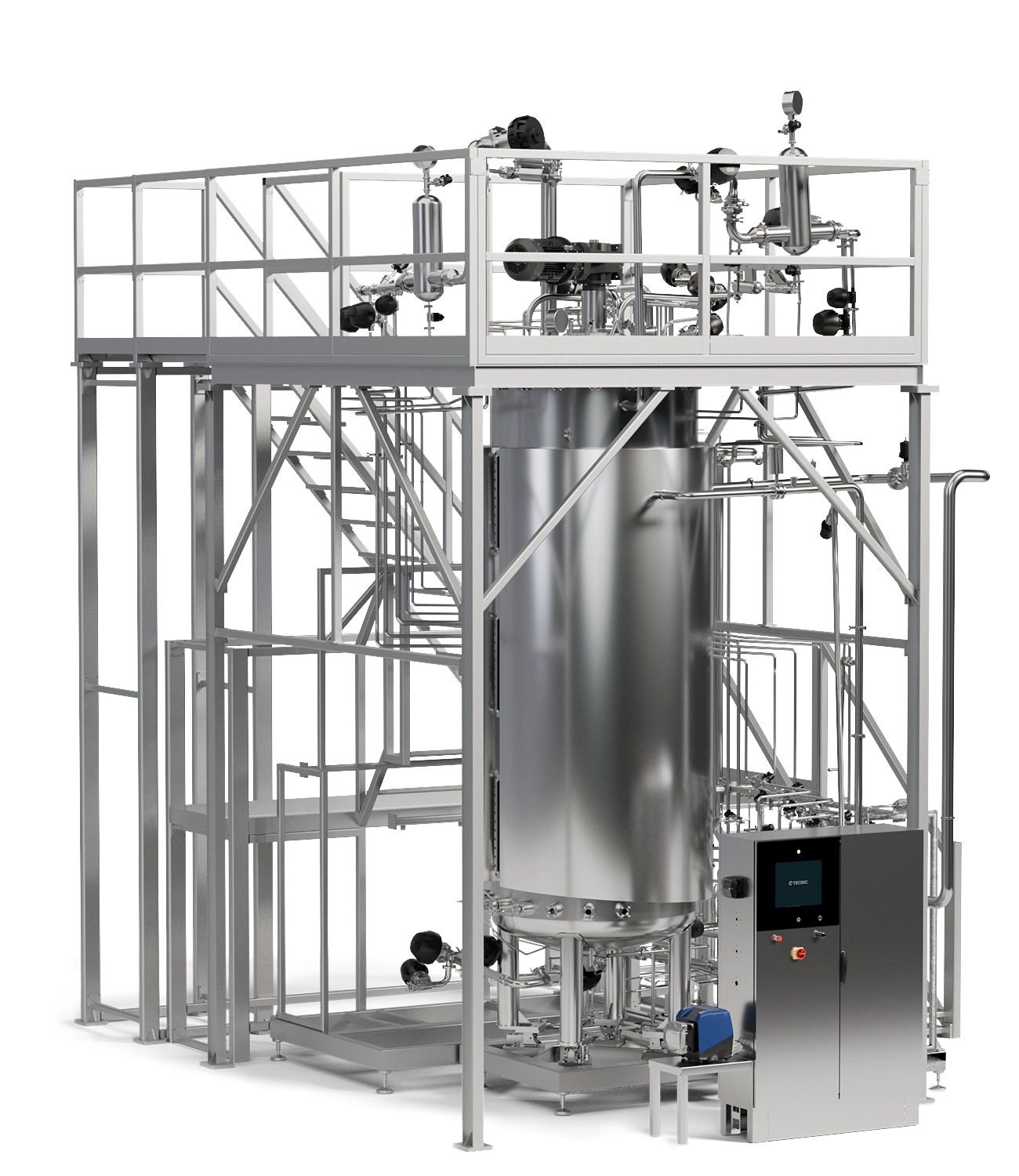
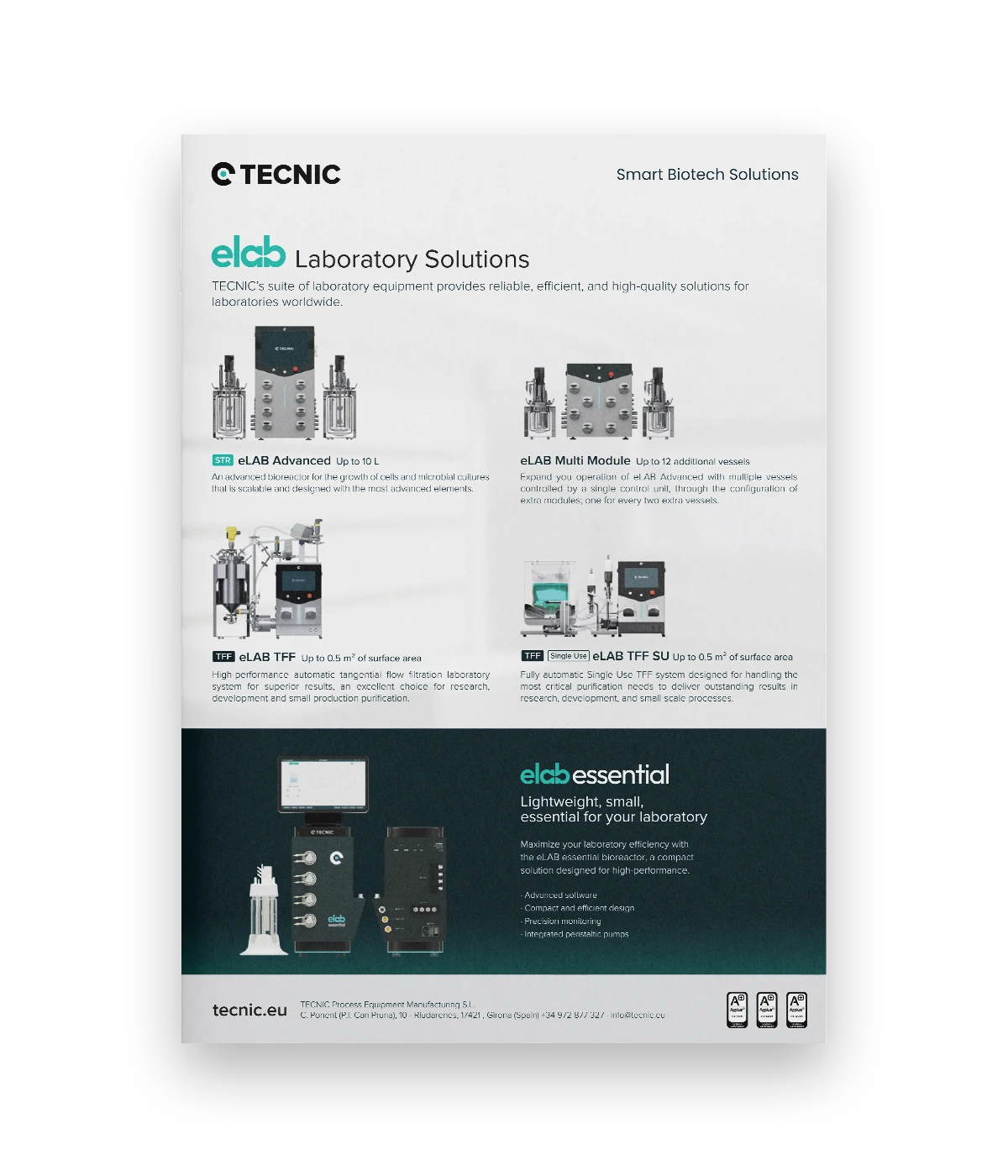
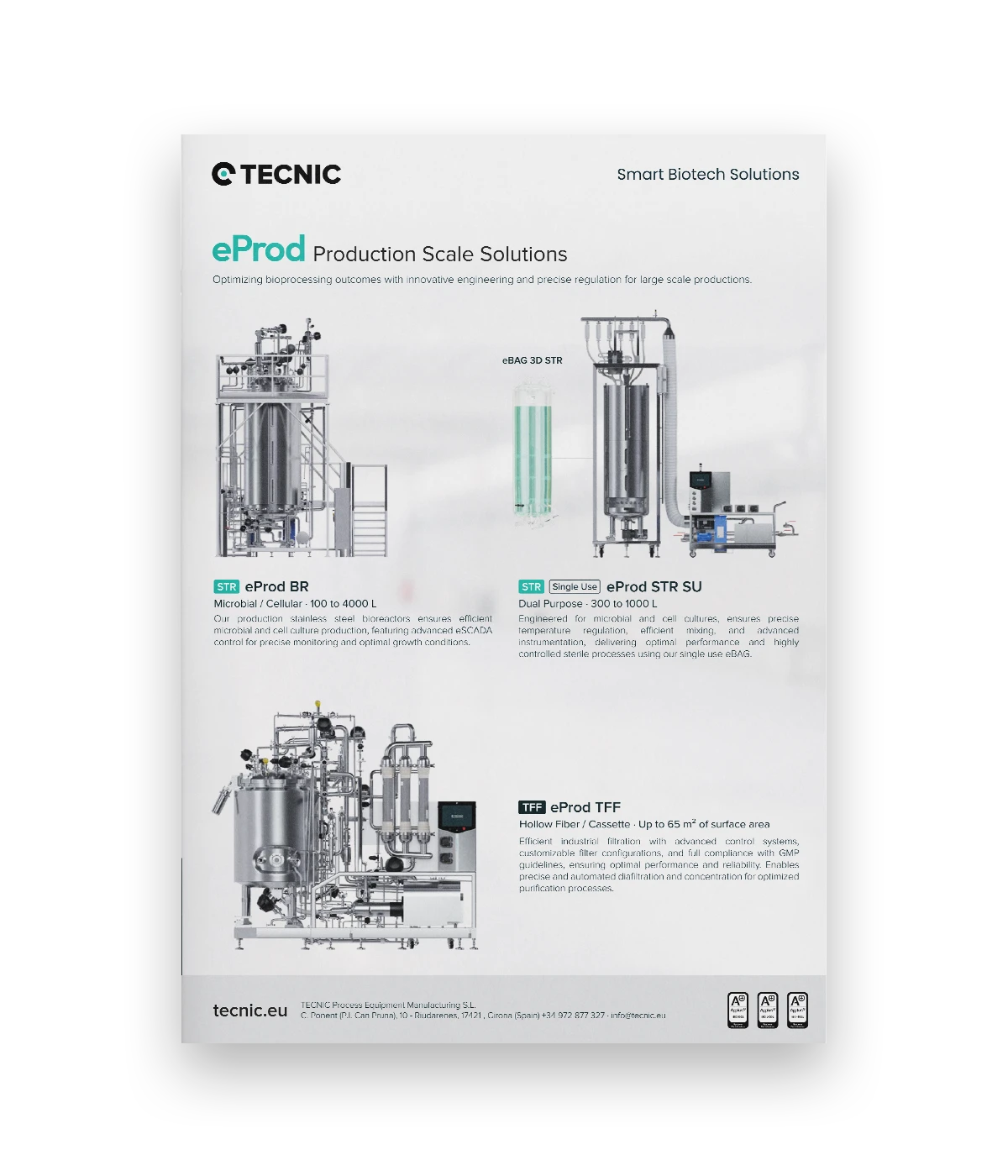
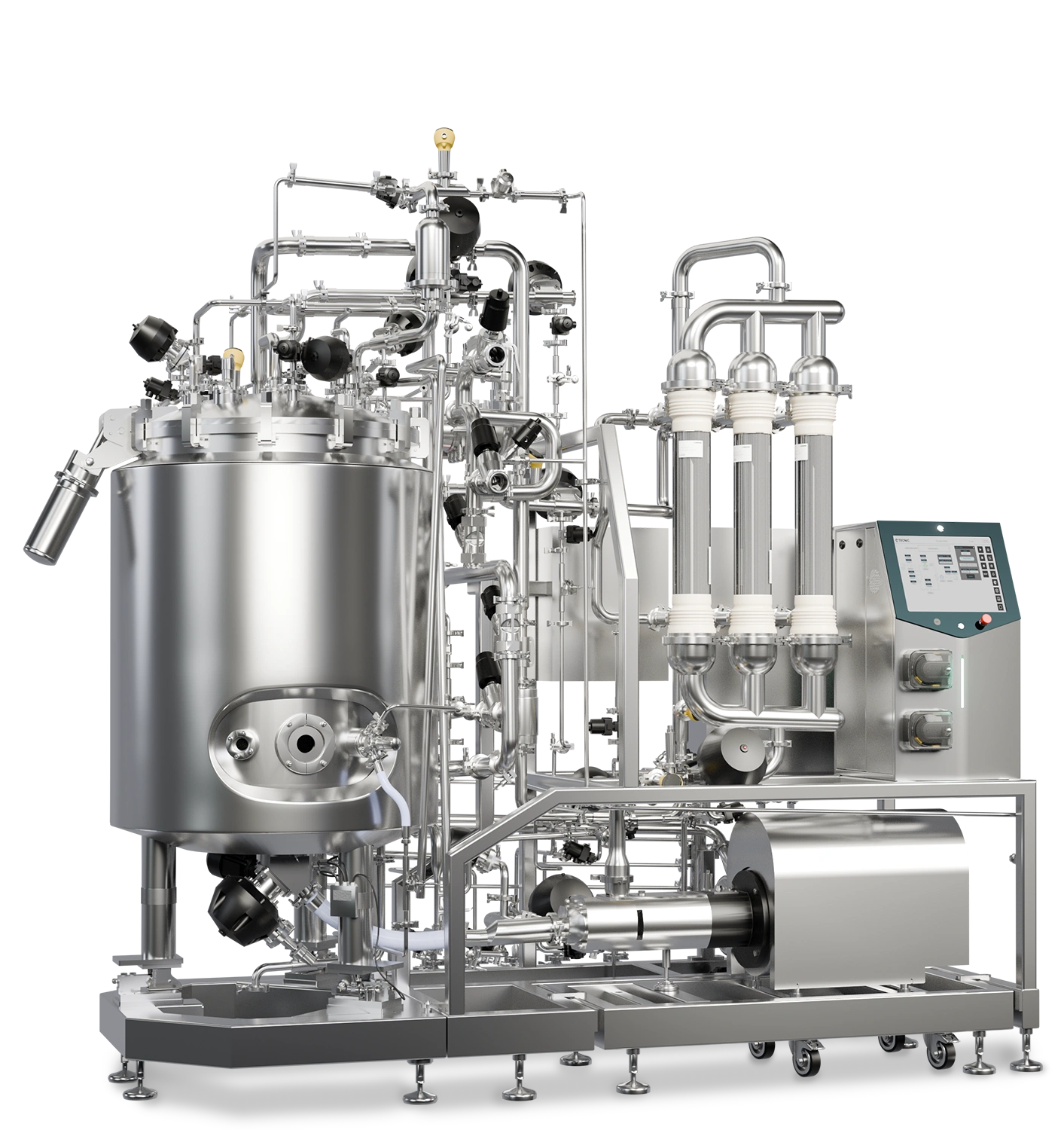
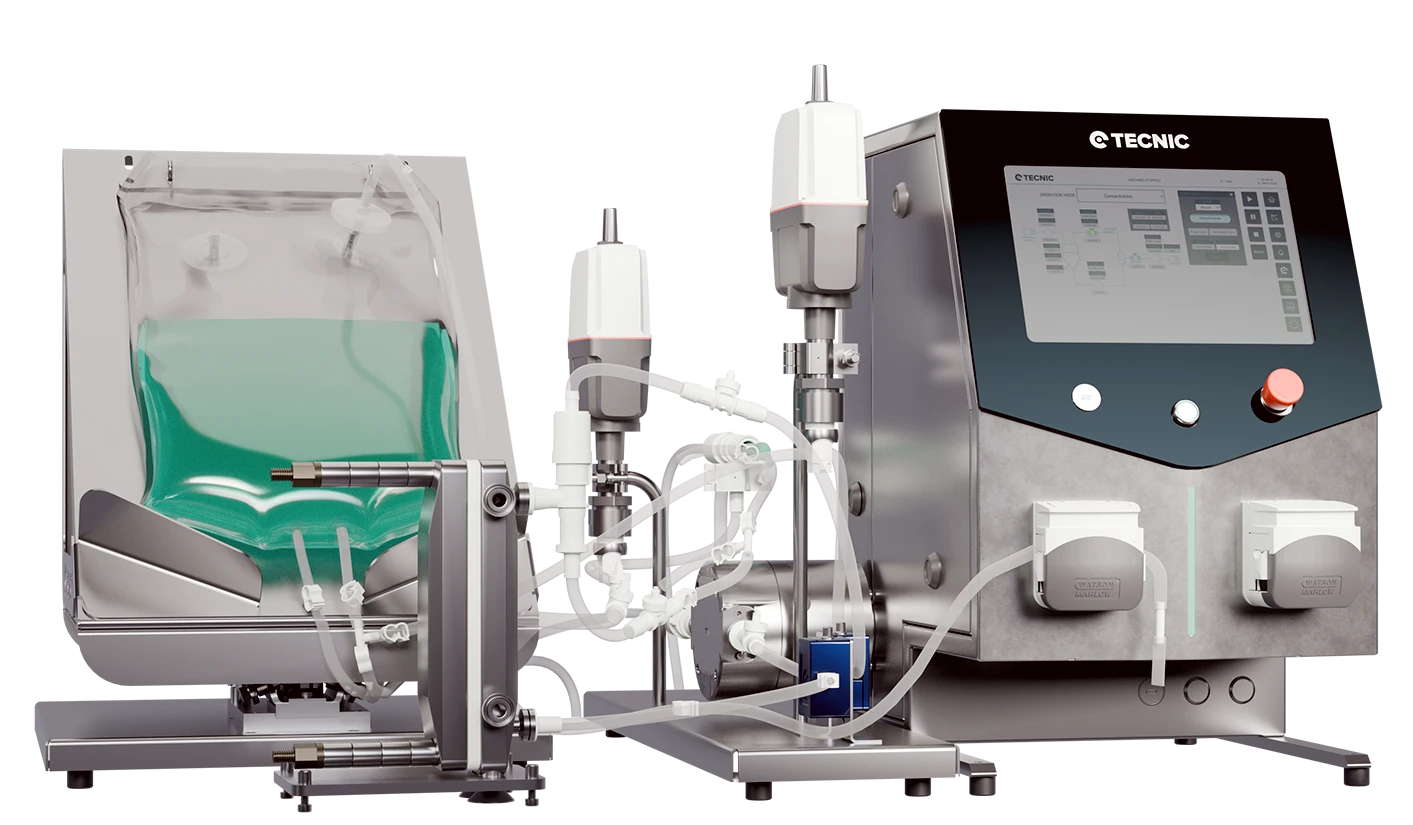
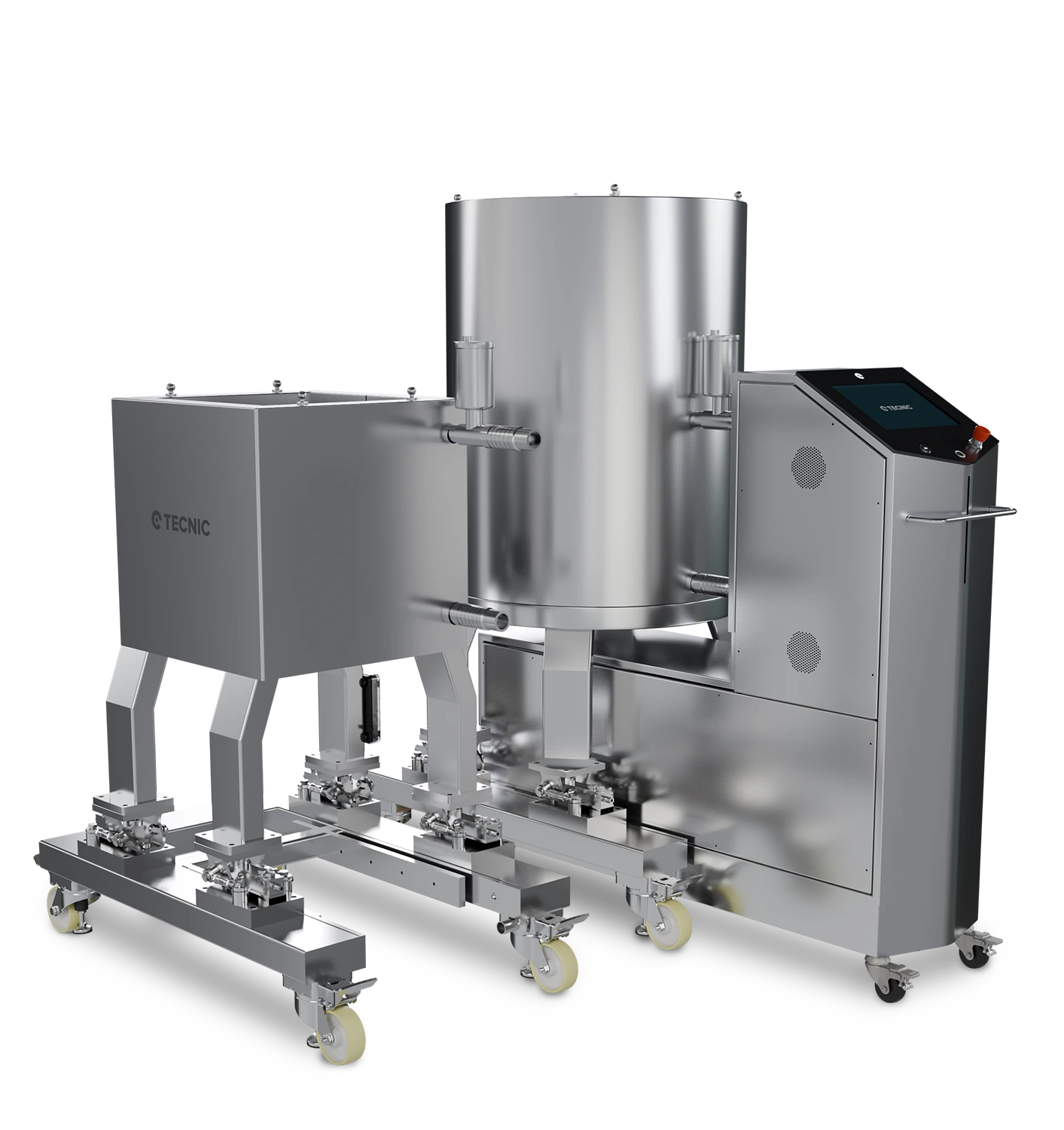
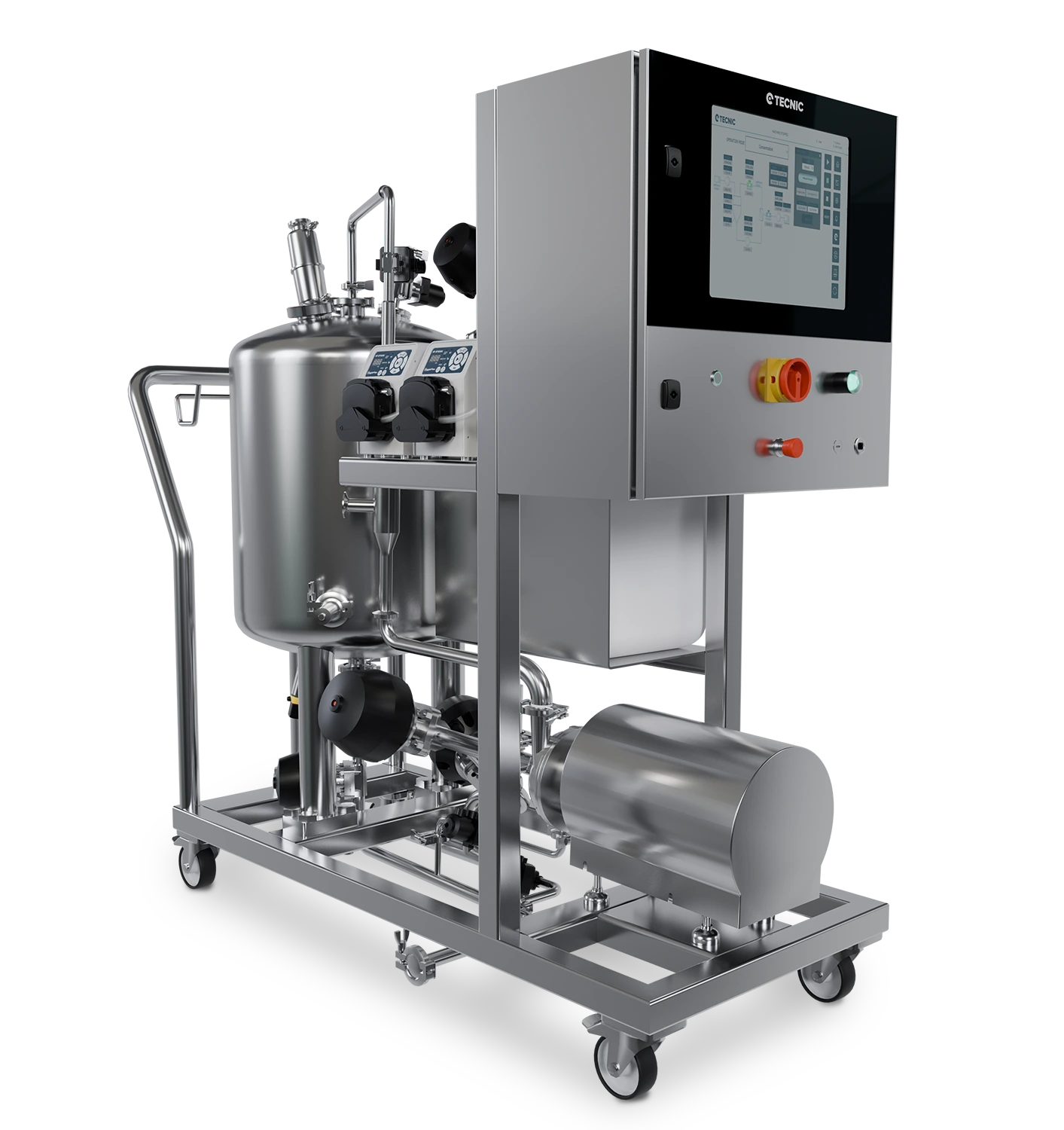
Once cell culture moves beyond basic incubation, process control and scalability start to matter much more. That is where TECNIC’s bioreactor range becomes a natural continuation of the topic, especially for teams moving from basic culture work toward controlled development and production-oriented workflows.
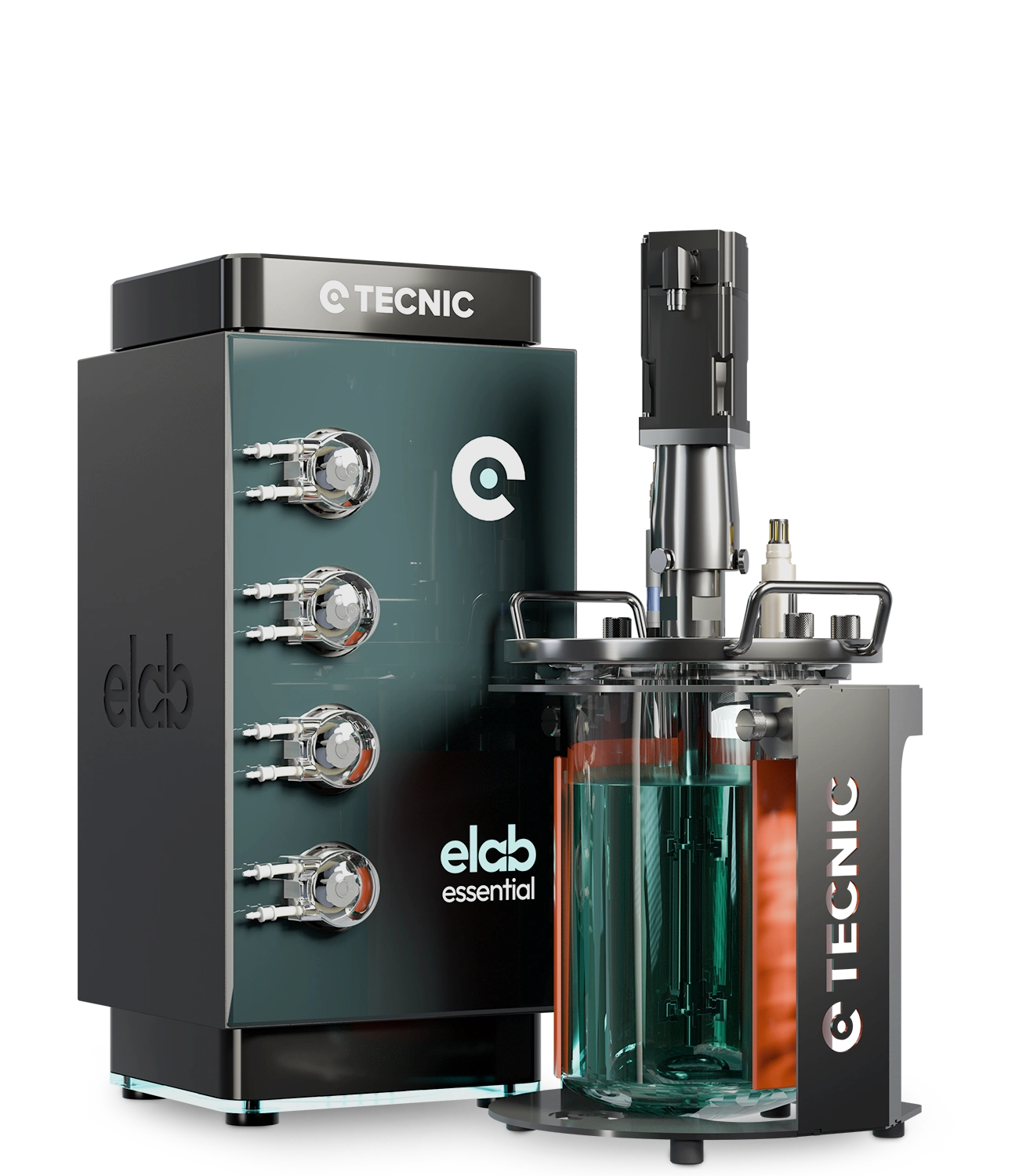
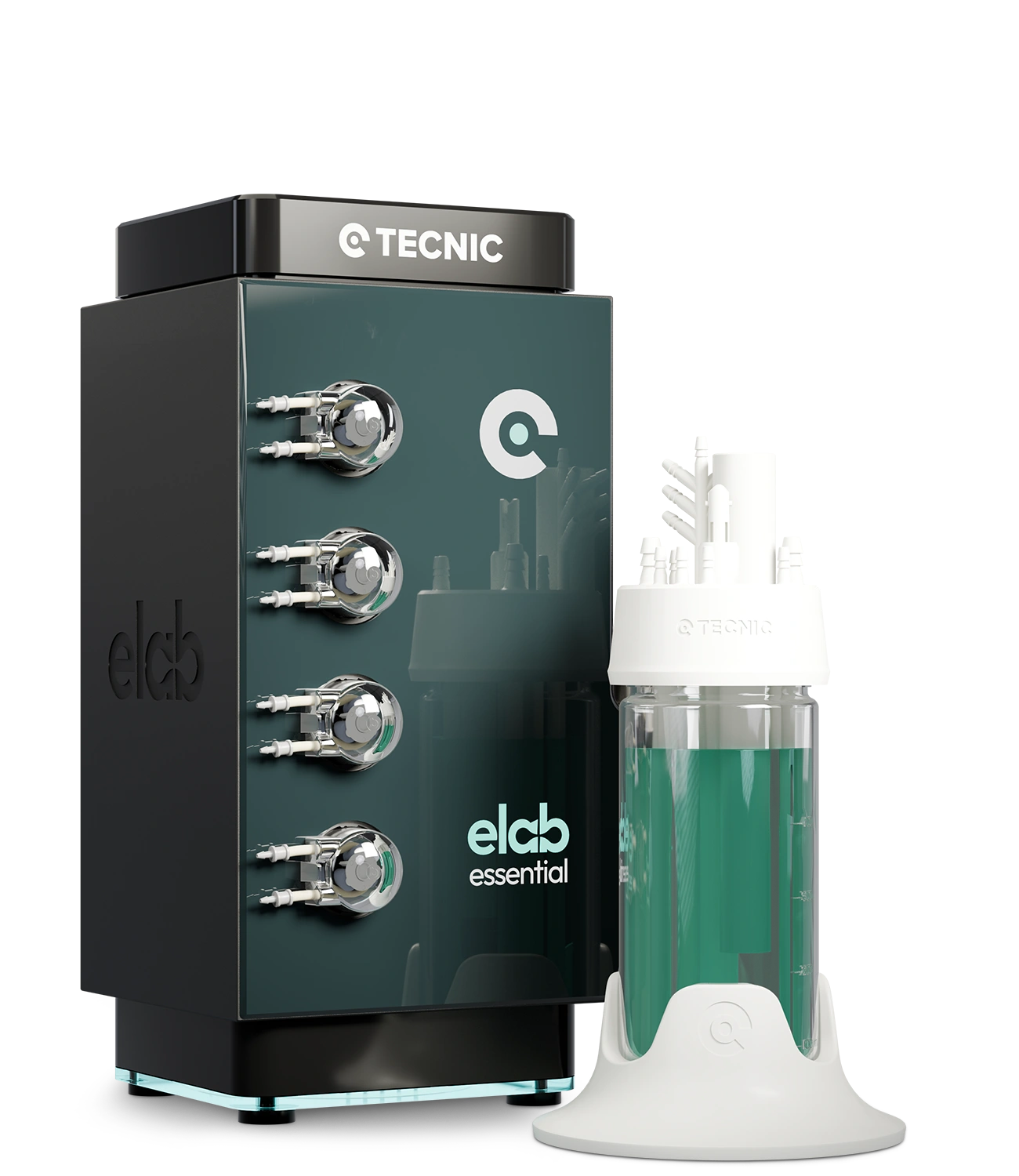
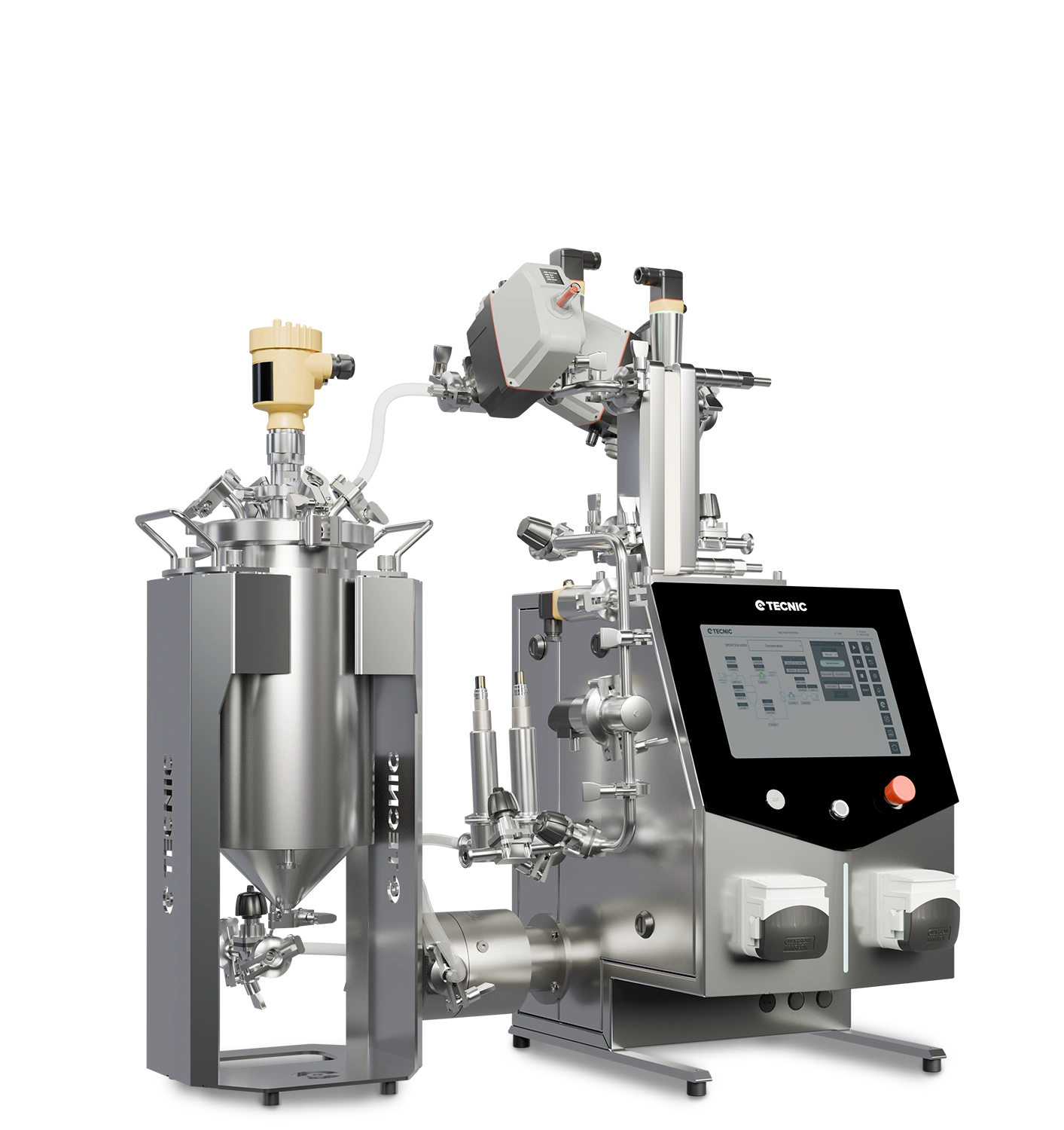
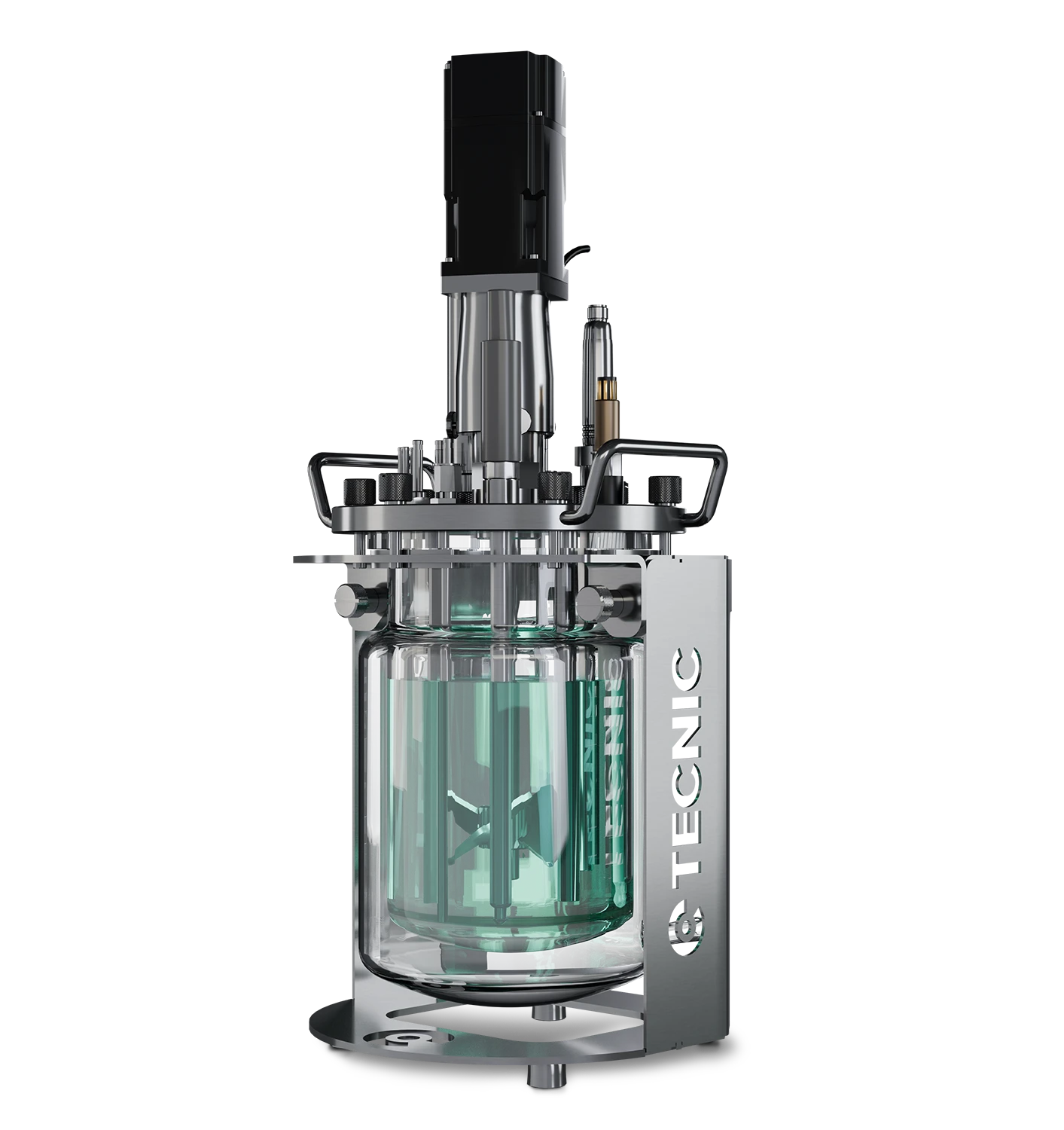
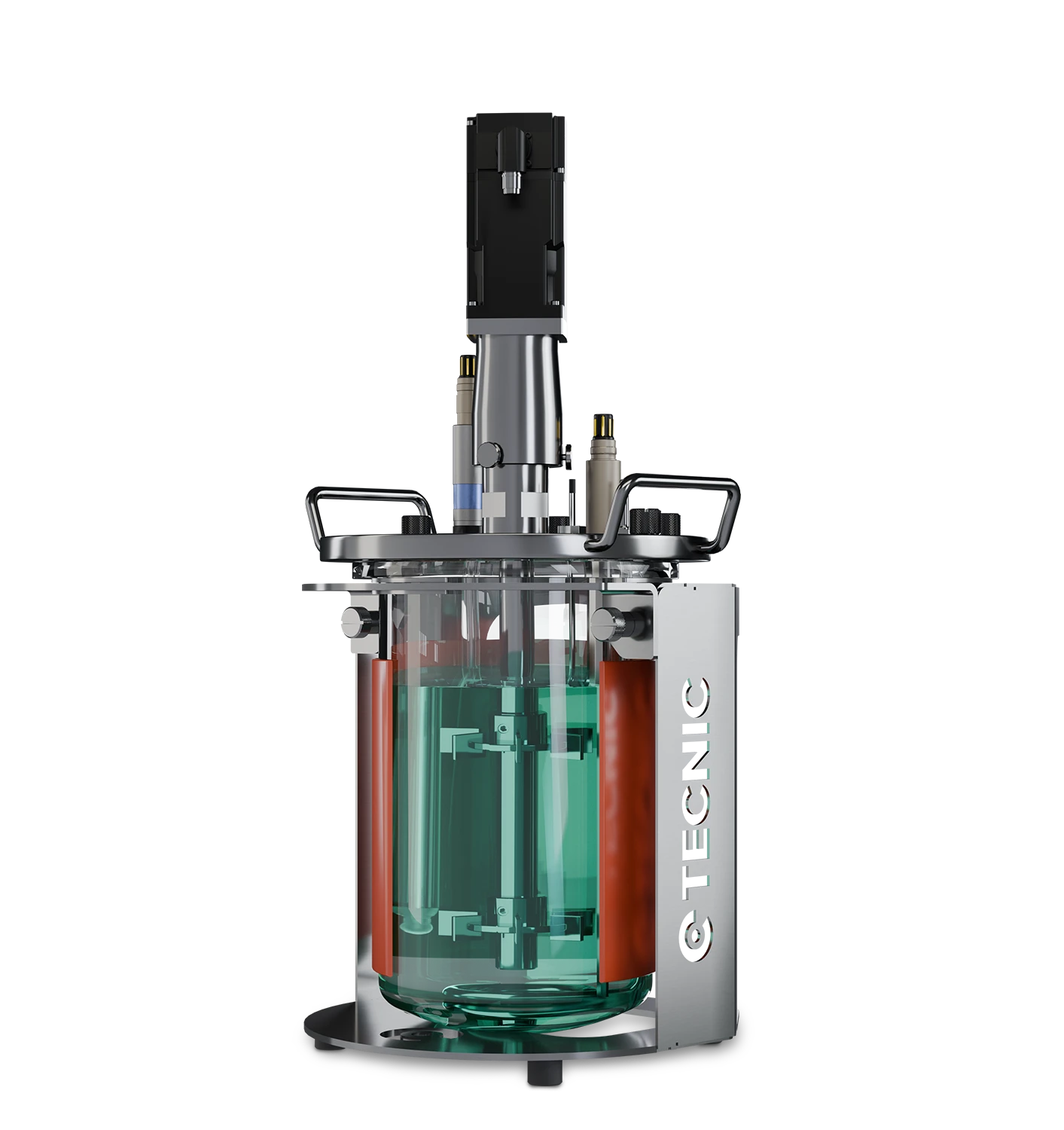
Laboratory bioreactors
A natural next step when cell culture needs stronger control of temperature, pH, DO and reproducibility than simple static formats can offer.
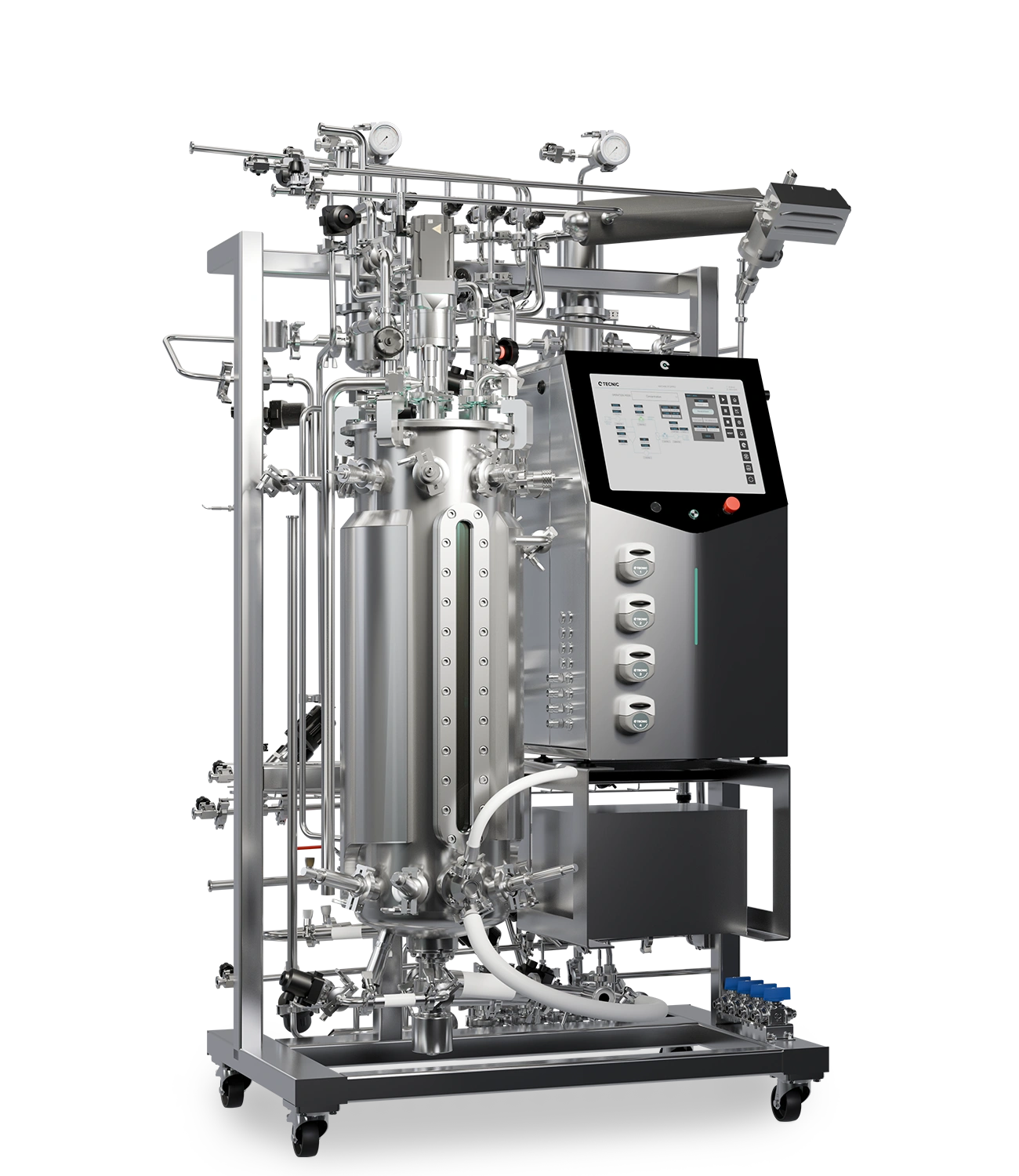
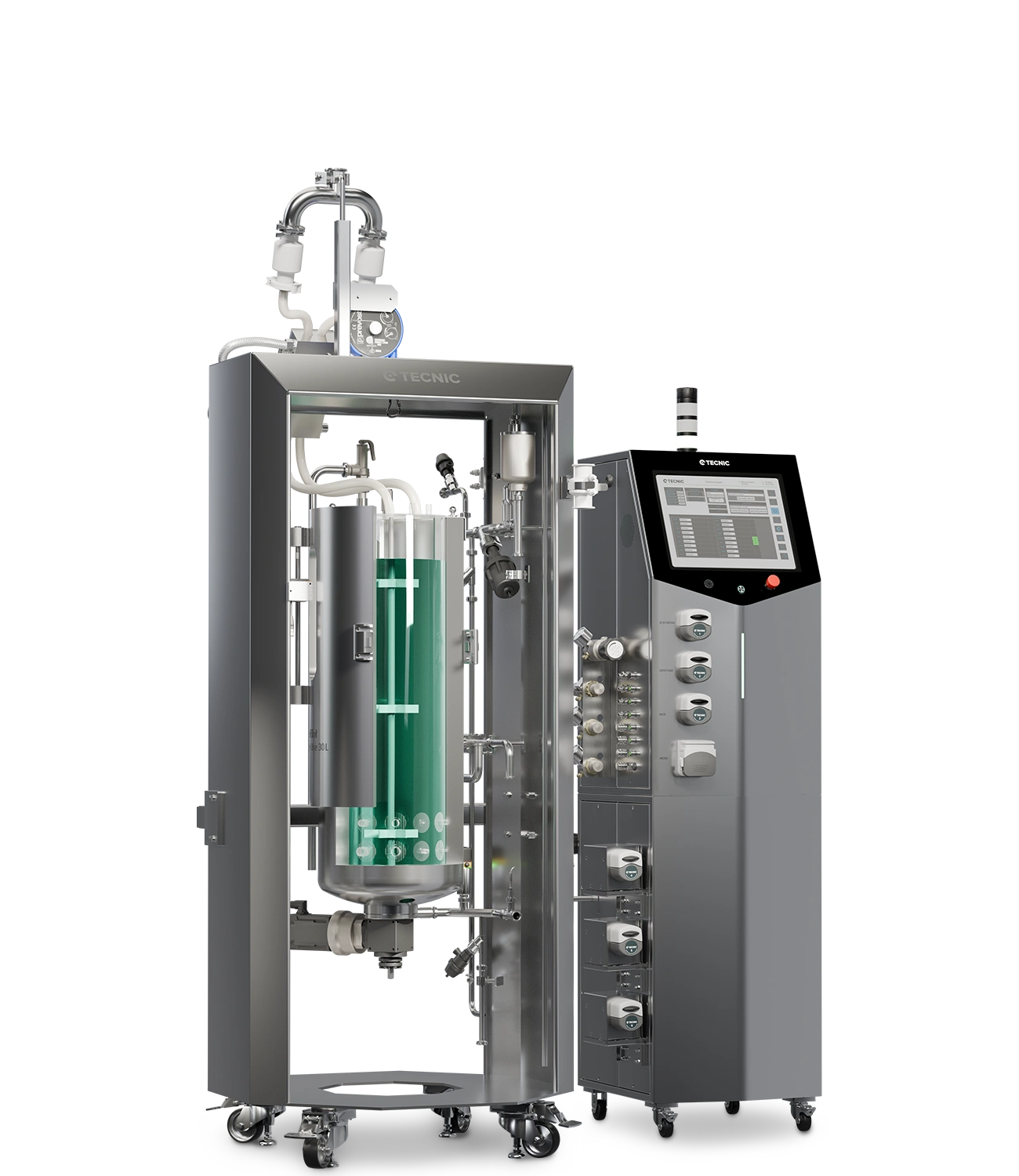
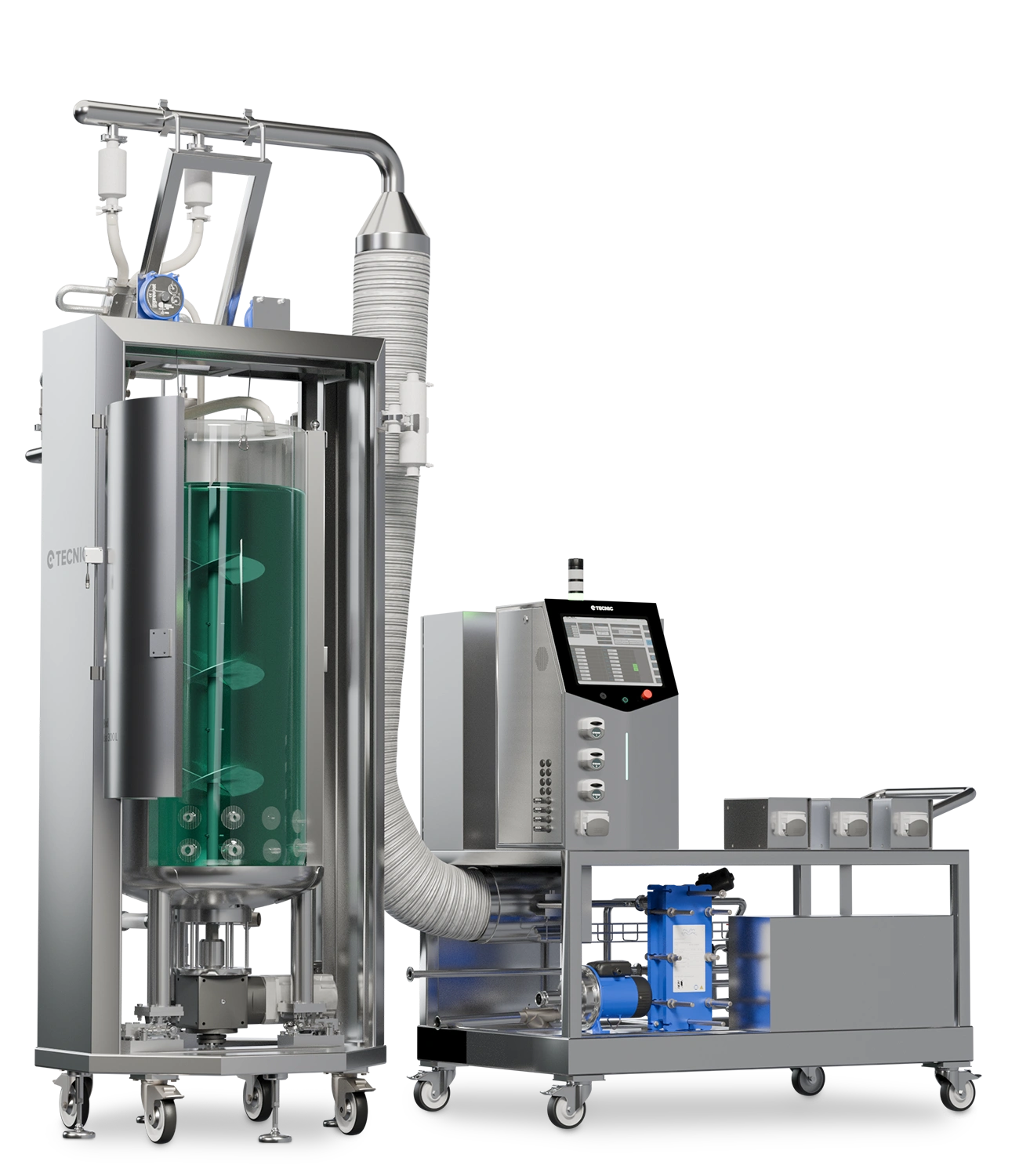
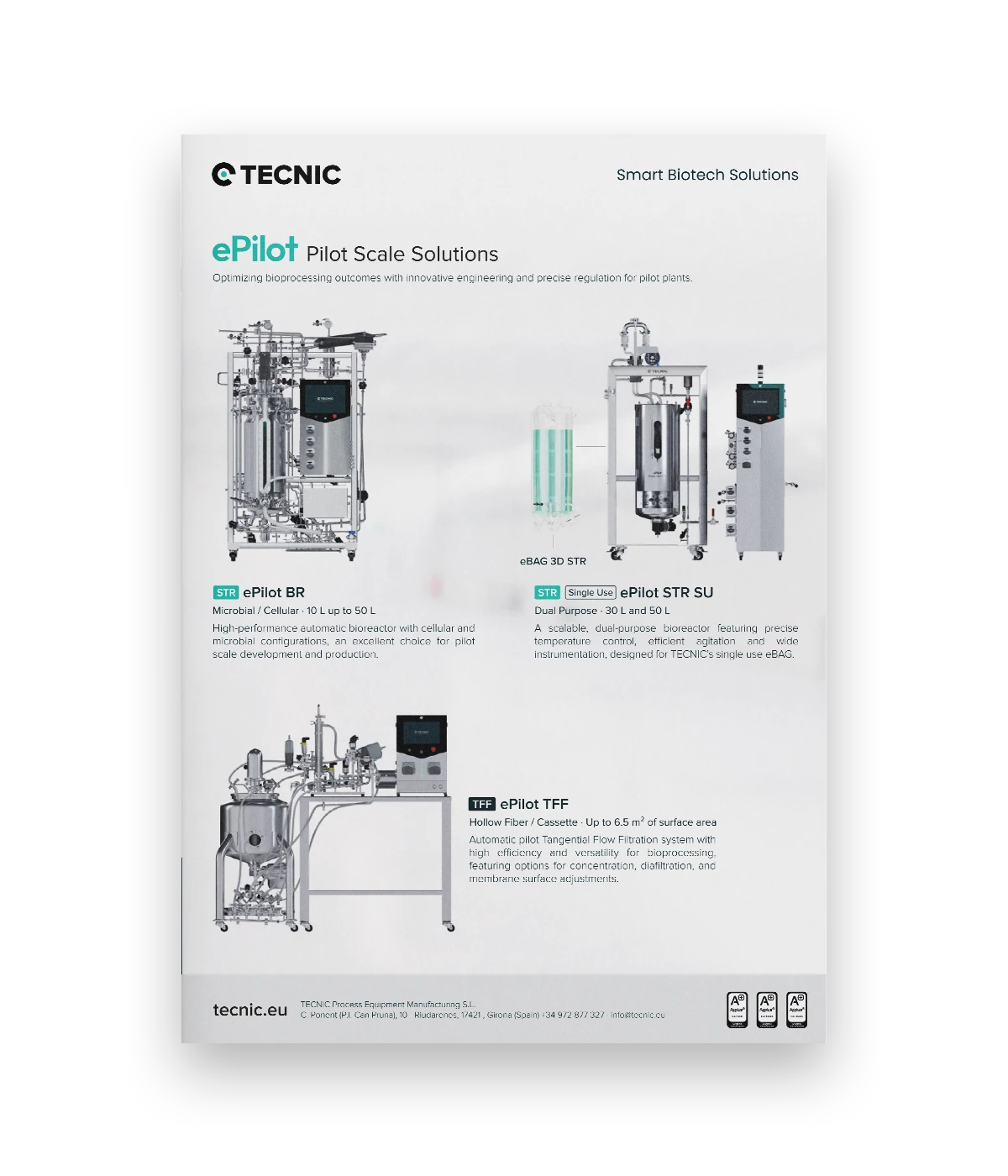
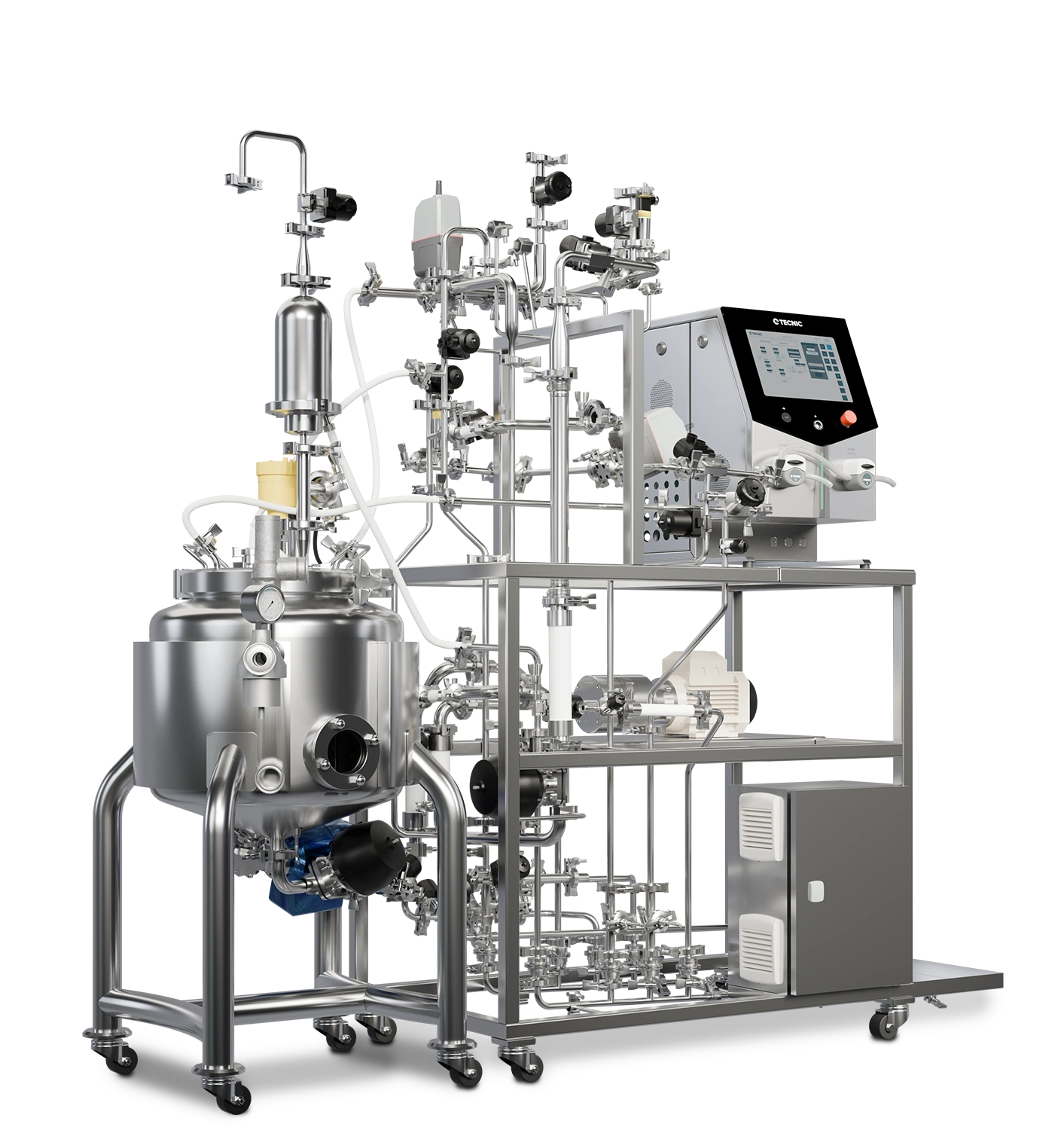
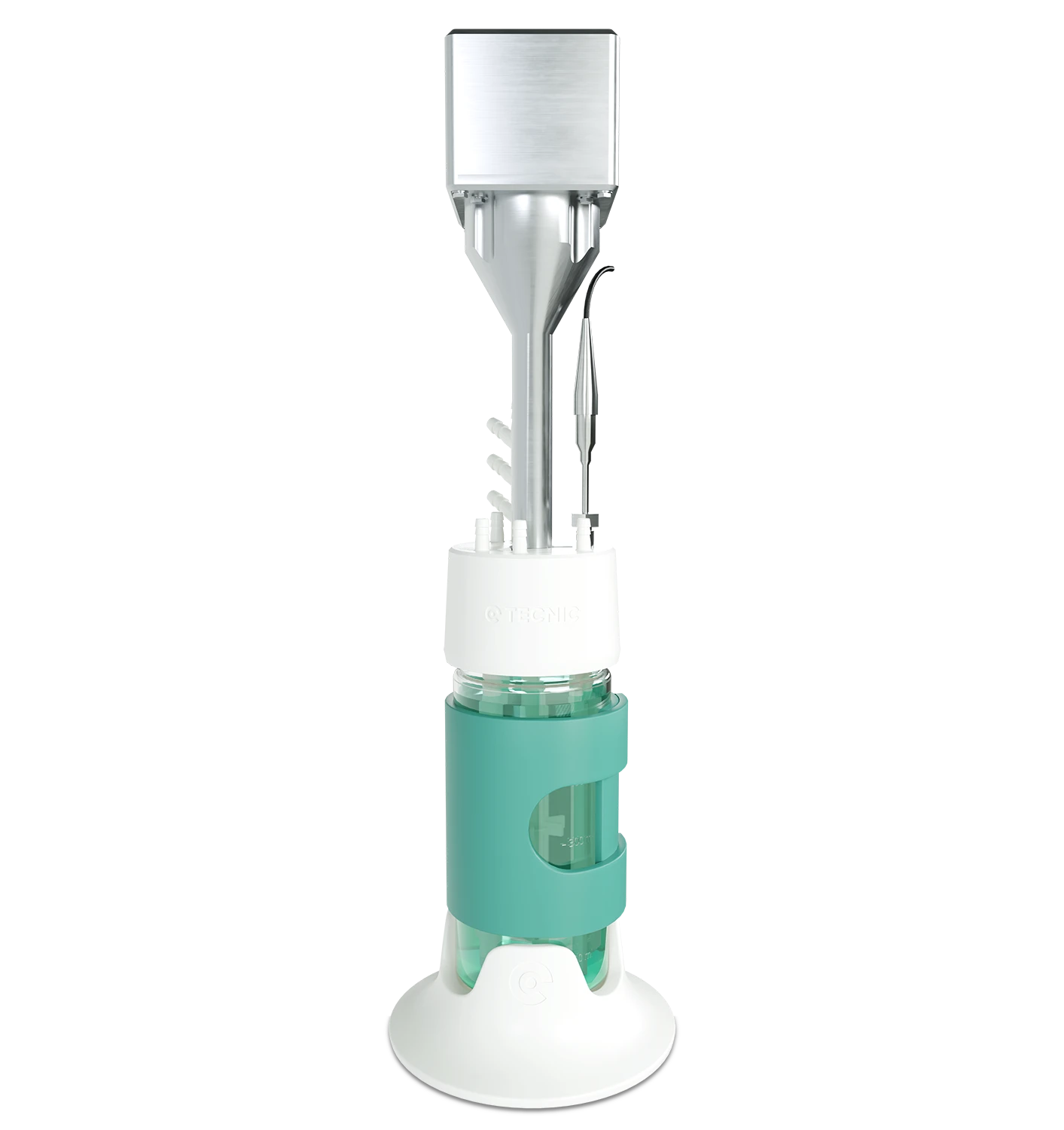
Pilot bioreactor path
For teams moving from exploratory work toward process development and early scale-up, pilot platforms become the real bridge.
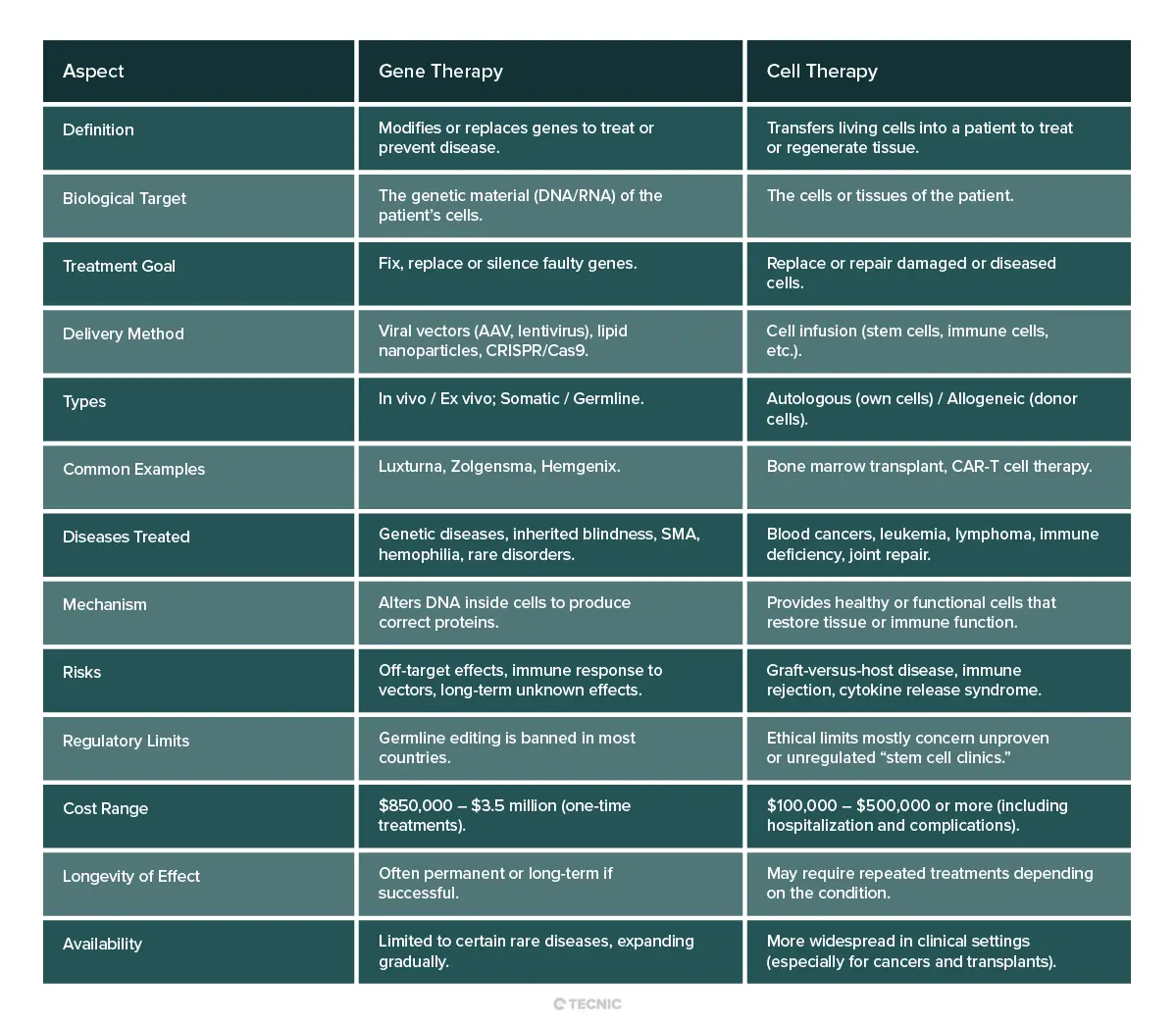
Cell and gene therapy context
Cell culture also connects directly with more advanced therapy topics already covered in TECNIC content.
Contact TECNIC
For teams assessing how their culture workflow could move into more controlled bioprocess equipment, a direct technical conversation is the logical next step.
This section stays broad on purpose. The topic is foundational, so the bridge to products should feel natural and educational first.
Frequently asked questions
What is cell culture?
It is the process of growing and maintaining cells outside their original organism in a controlled environment.
What are the main types of cells used in culture?
The most common categories are primary cultures, cell lines and stem cells.
What does a culture medium contain?
It provides nutrients such as glucose, amino acids, vitamins, salts and other components needed for cell survival and proliferation.
What temperature and humidity are ideal for cell culture?
That depends on the cell type, but mammalian cells are commonly cultured around physiological temperature and high humidity.
What are the key factors for successful cell culture?
Suitable medium, stable temperature and humidity, proper pH and CO₂ regulation, and strict sterility are all essential.
Looking to move cell culture into a more controlled bioprocess setup?
Explore TECNIC’s bioreactor range or speak with our team to review the right path from cell culture fundamentals to scalable process control.