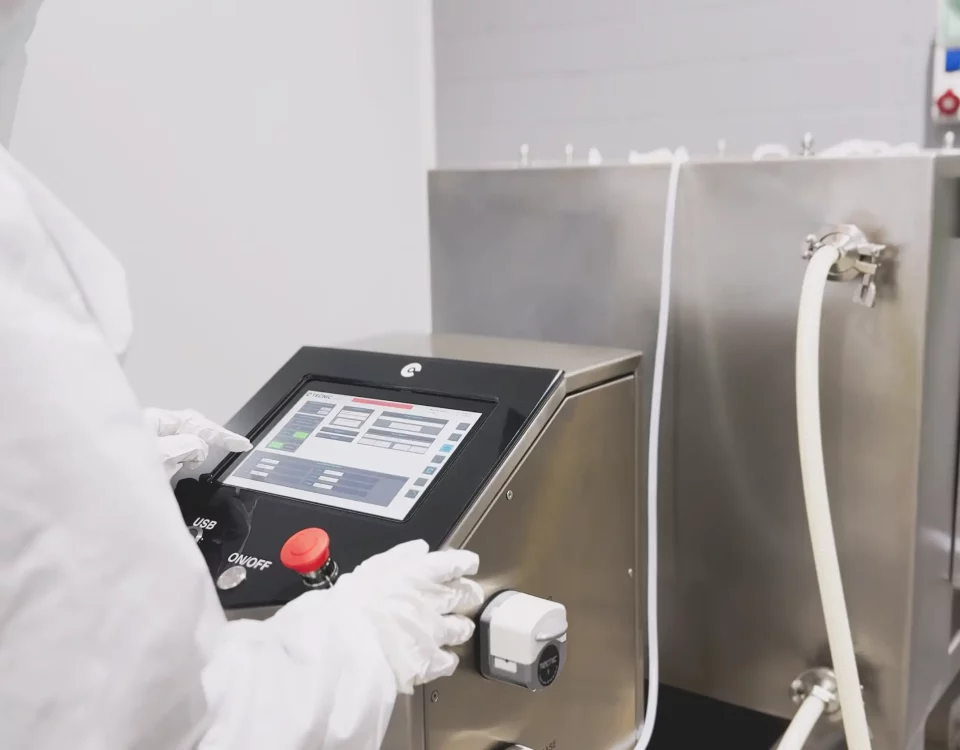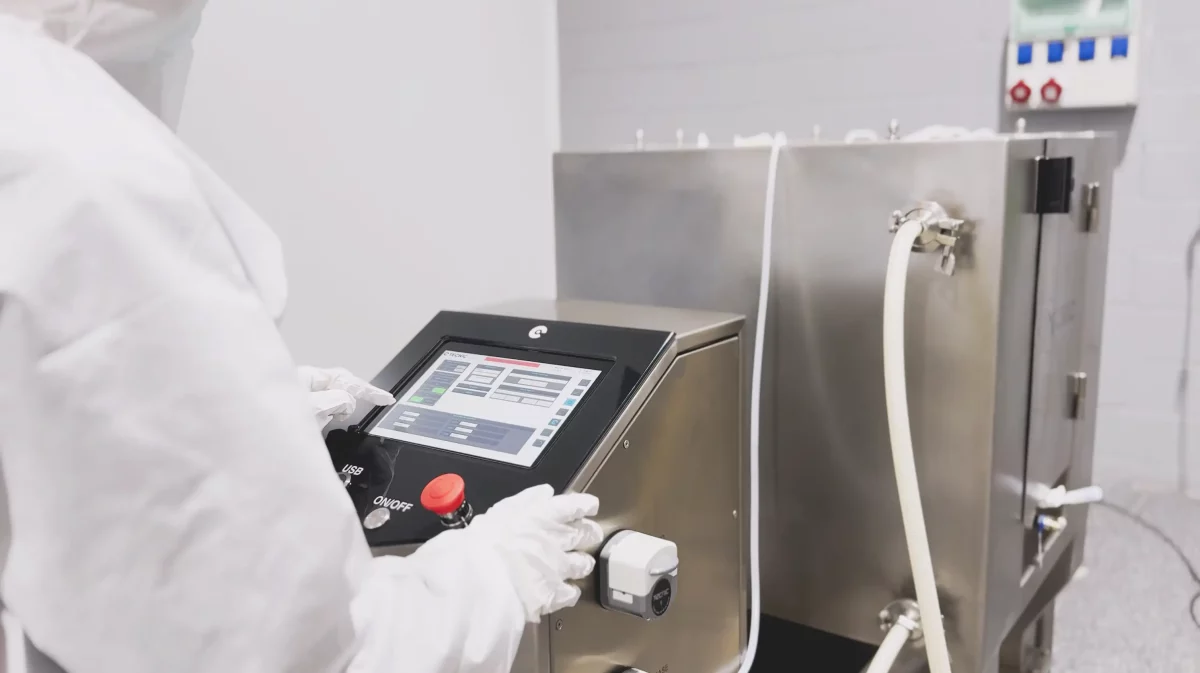
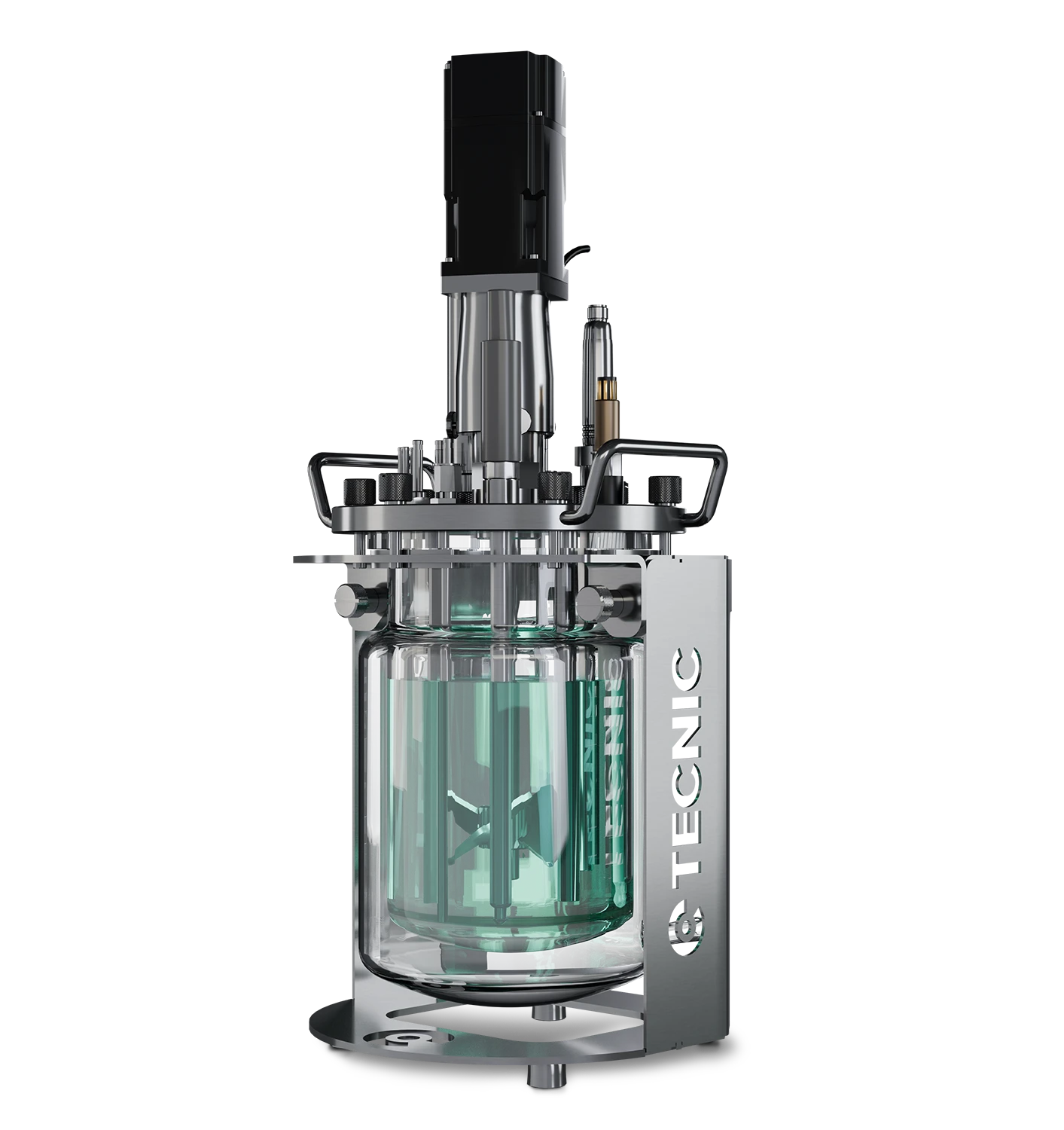
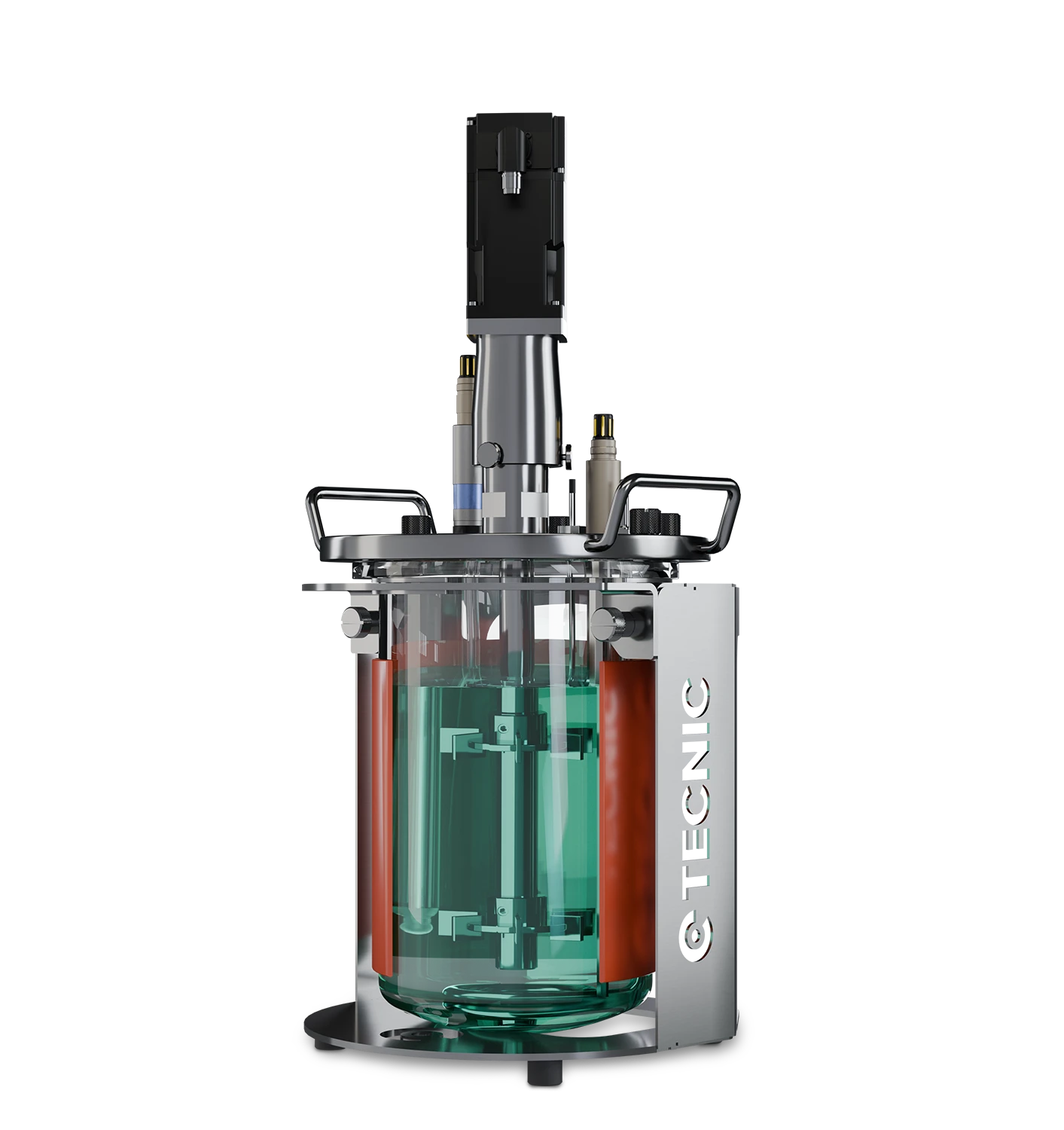
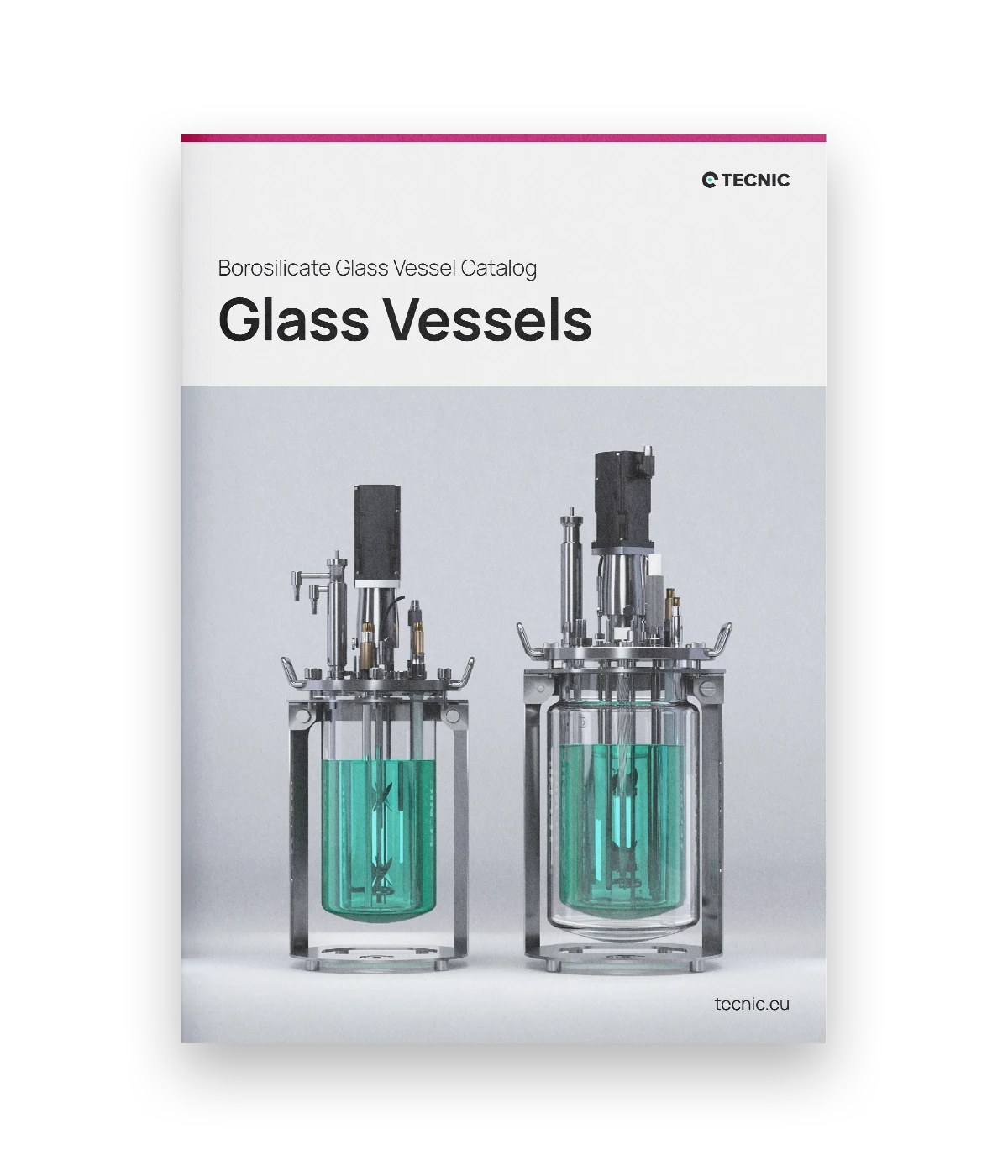

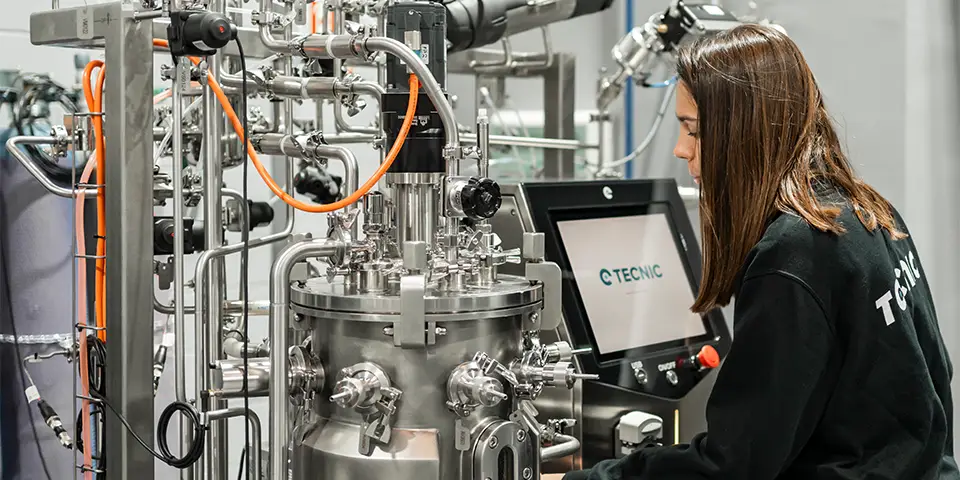
A bioreactor is a vessel designed to create a controlled environment for growing cells or microorganisms. In biotechnology, that controlled environment is what turns a biological idea into a real process.
The difference between a simple flask and a bioreactor is not only size. A bioreactor gives tighter control over mixing, aeration, temperature, pH and oxygen demand, which makes cultivation more consistent and much easier to scale.
A bioreactor is not just a tank. It is a controlled process environment where biological growth can be monitored, adjusted and repeated with far more consistency than simpler culture formats.
What is a bioreactor?
A bioreactor is a vessel or device designed to provide a controlled environment for the growth of living cells or microorganisms. That controlled environment allows biological processes such as cell culture or fermentation to take place under more stable and productive conditions than simpler systems usually allow.
In practice, that means the culture can be mixed, aerated and monitored while key variables stay much closer to their intended targets.
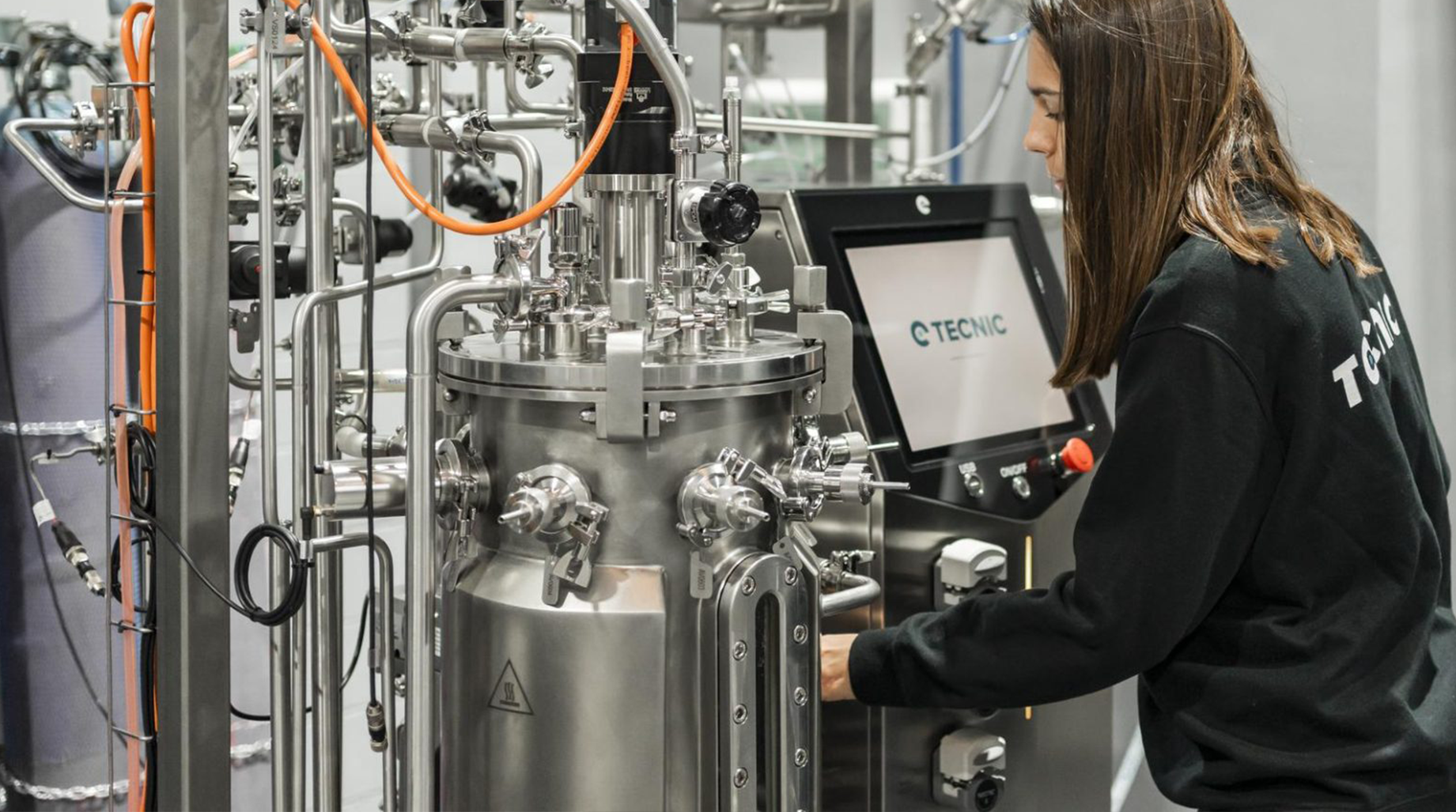
The real value of a bioreactor is control, not only volume.
Why use a bioreactor instead of simpler culture tools?
Bioreactors offer several practical advantages over flasks, dishes or more passive culture formats. They give stronger control over pH, temperature, dissolved oxygen, mixing and nutrient availability, which helps improve reproducibility and makes scale-up much more realistic.
Critical parameters can be monitored and adjusted much more precisely than in static culture formats.
Better environmental control helps reduce variability between runs and improves comparability.
The same process logic can move more naturally from research toward pilot and production.
That is why bioreactors are so widely used once a process needs to move beyond exploratory cultivation and into reproducible development.
Main components of a bioreactor
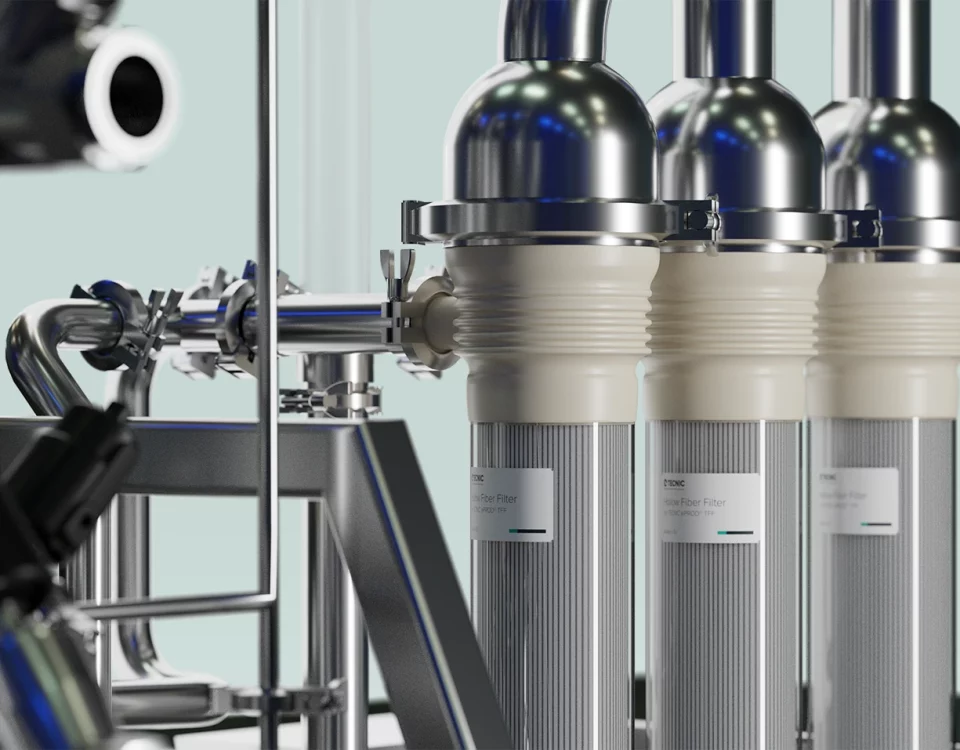
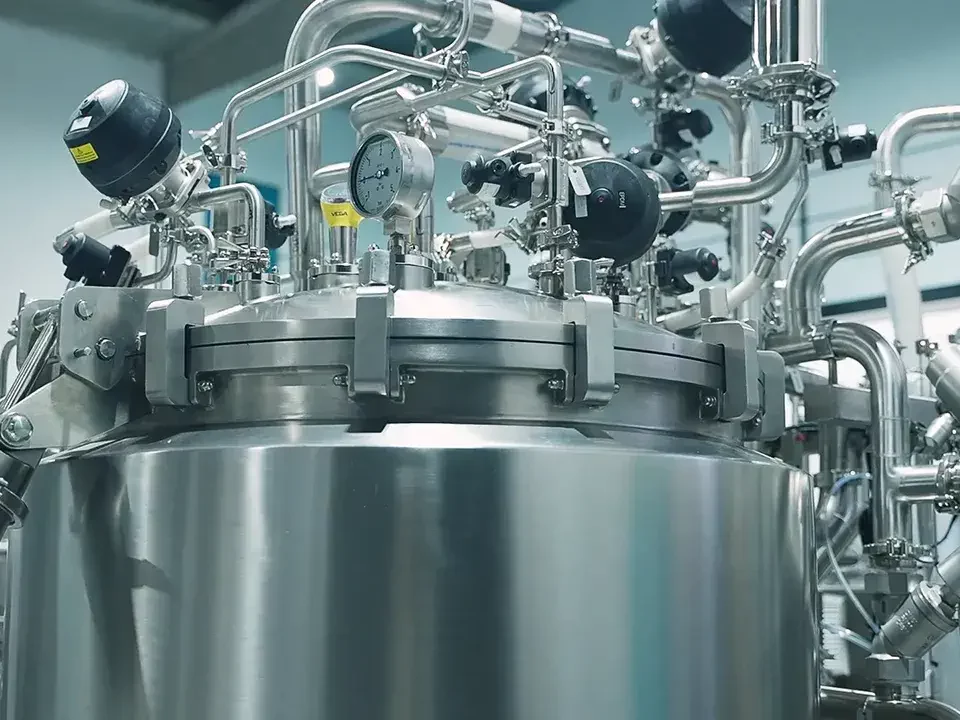
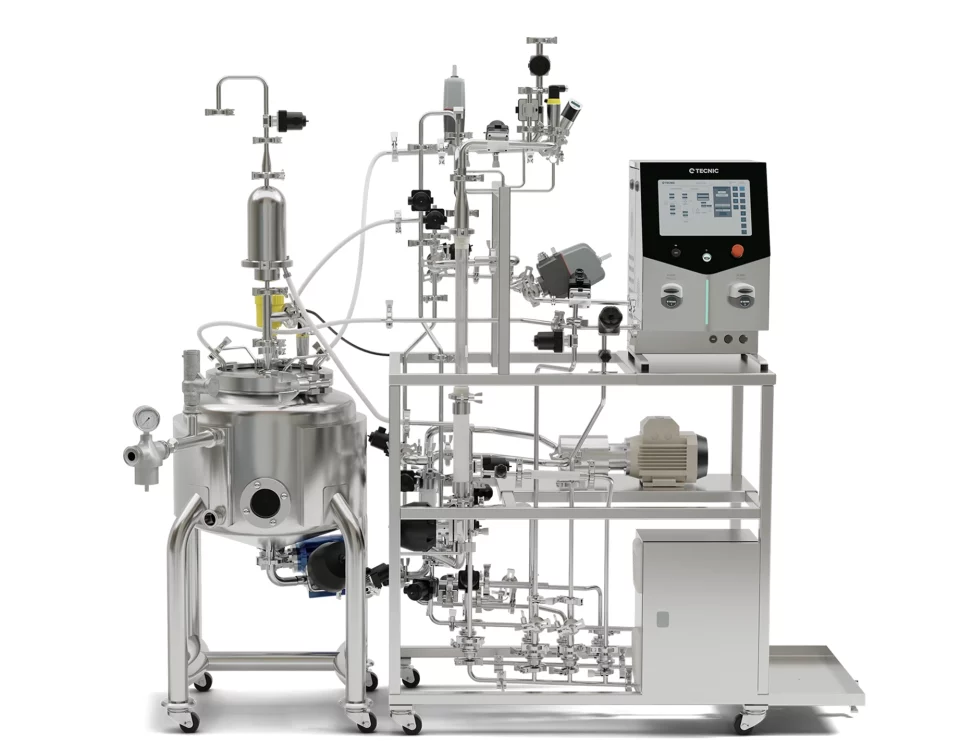
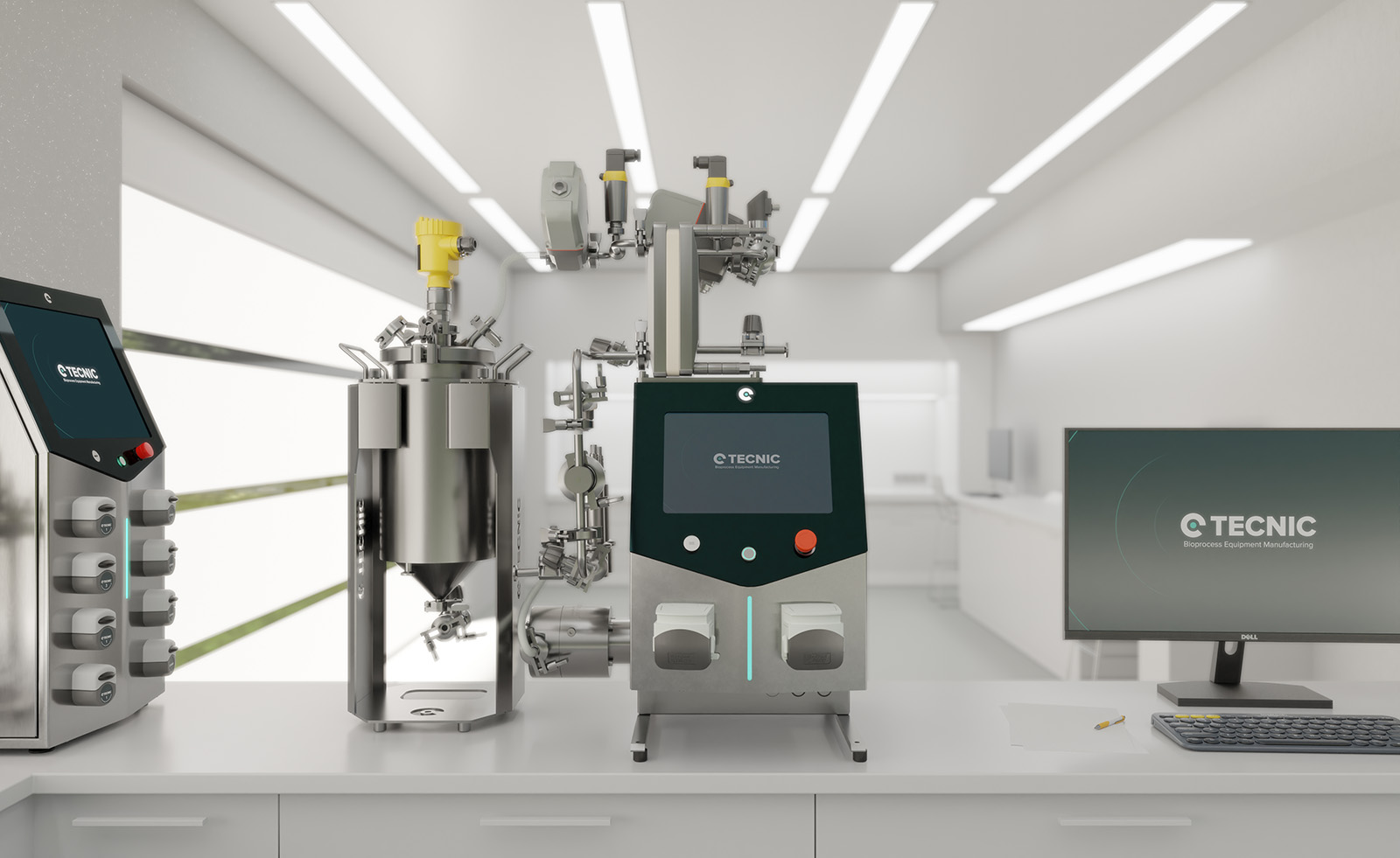
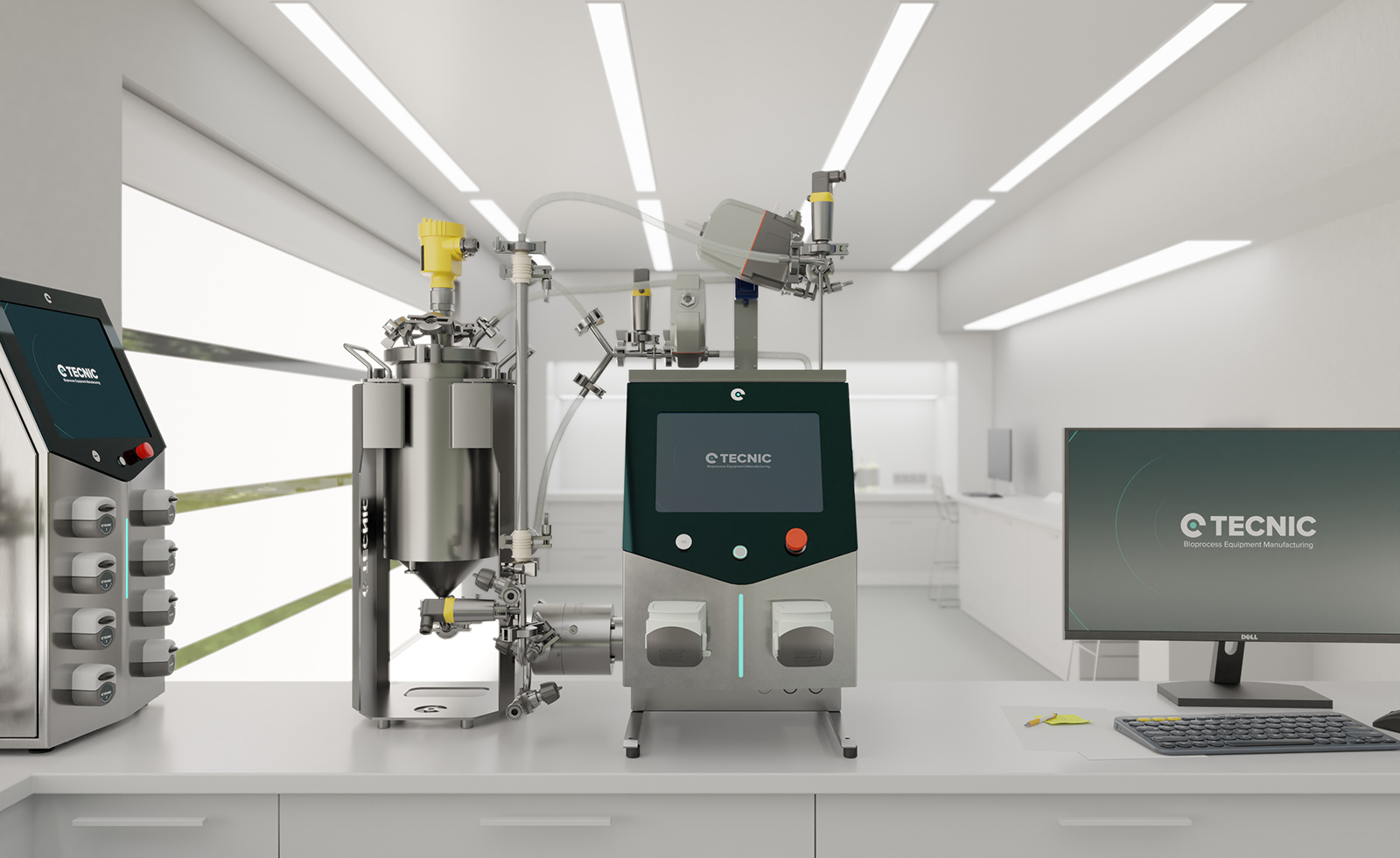
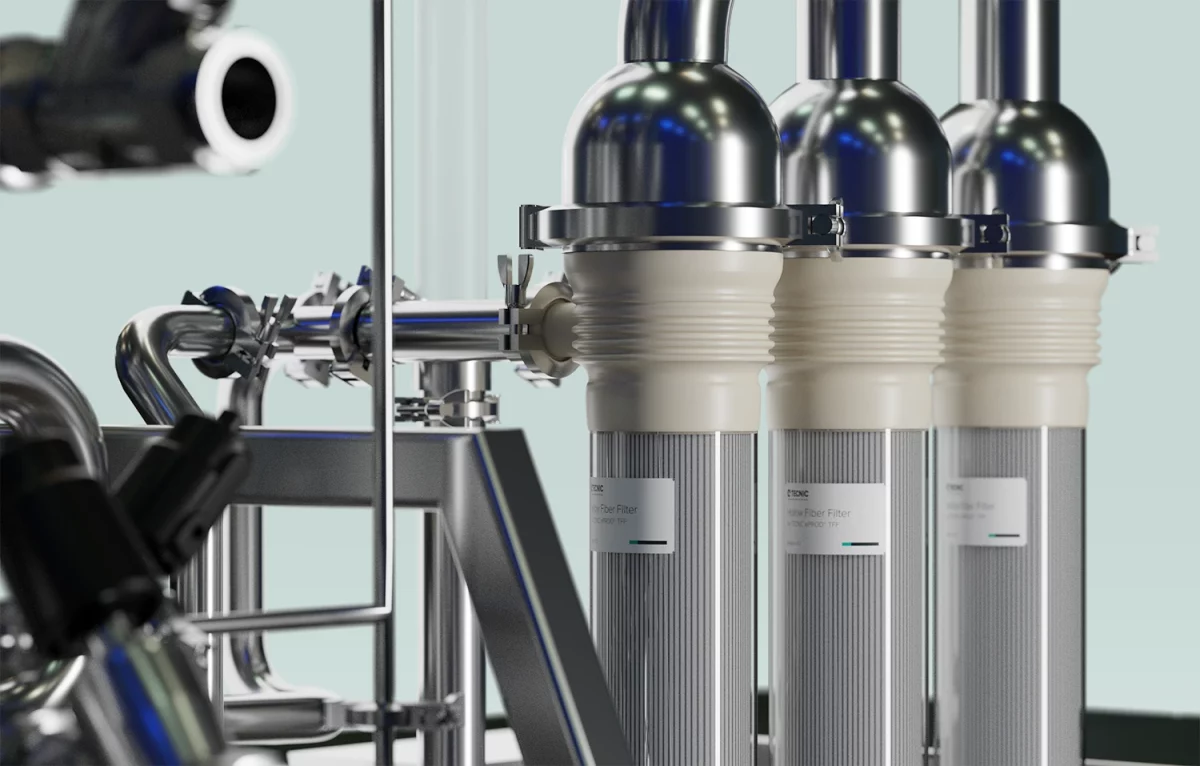
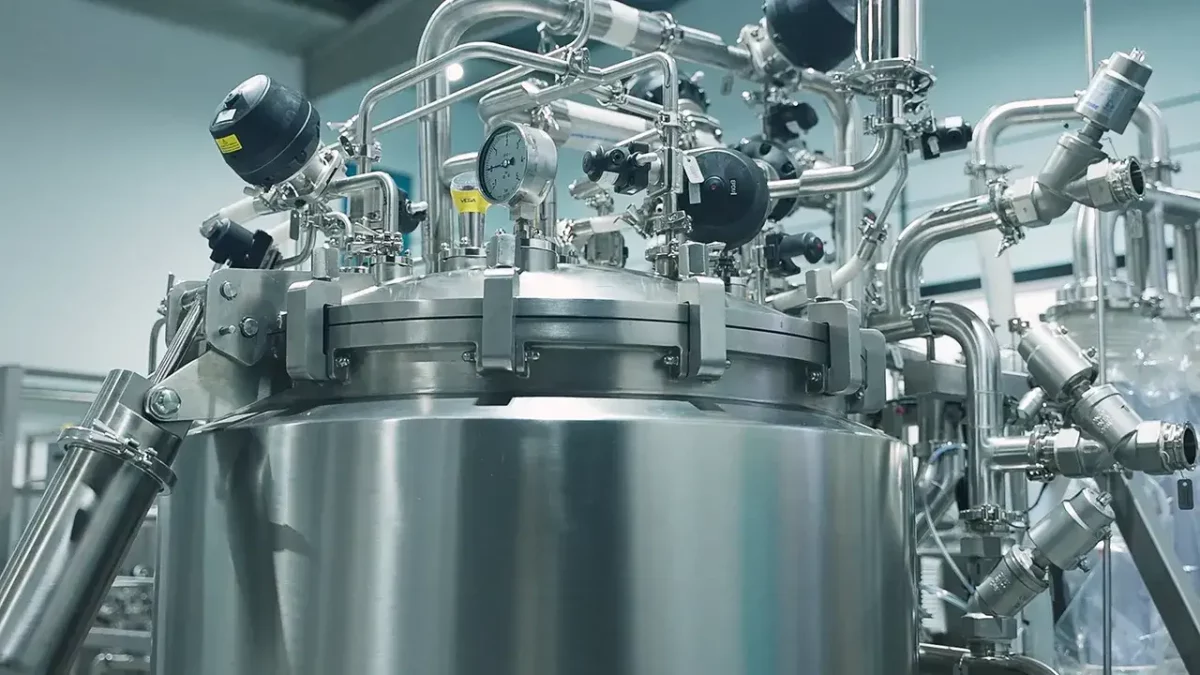
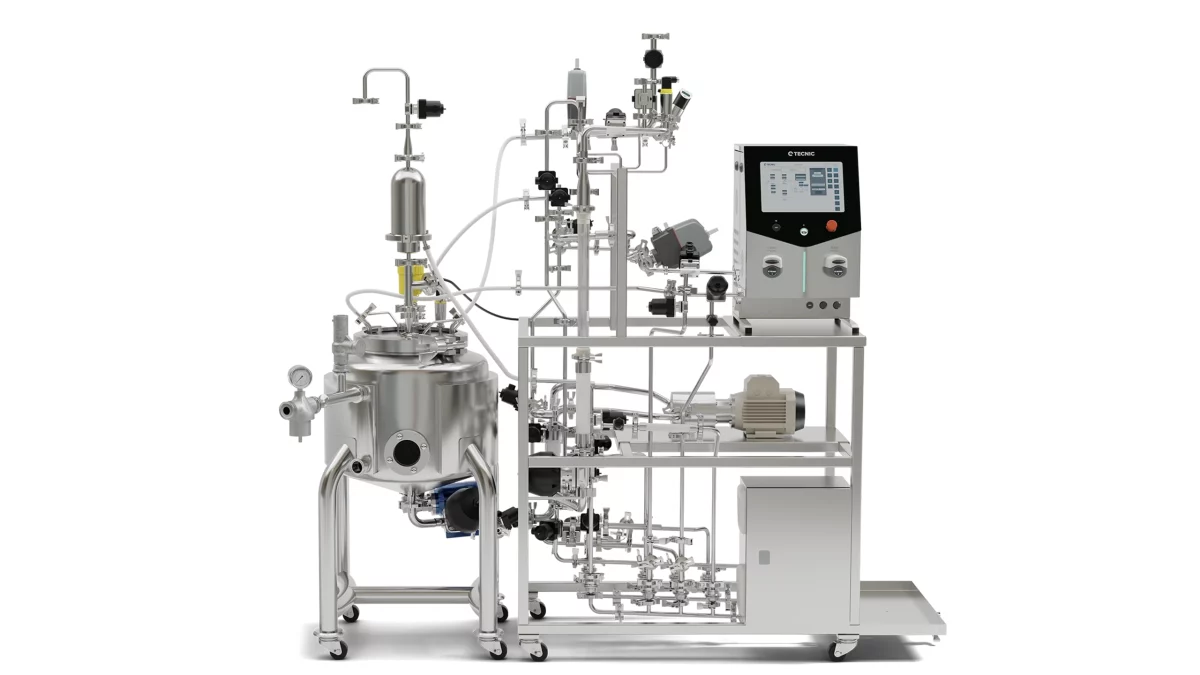
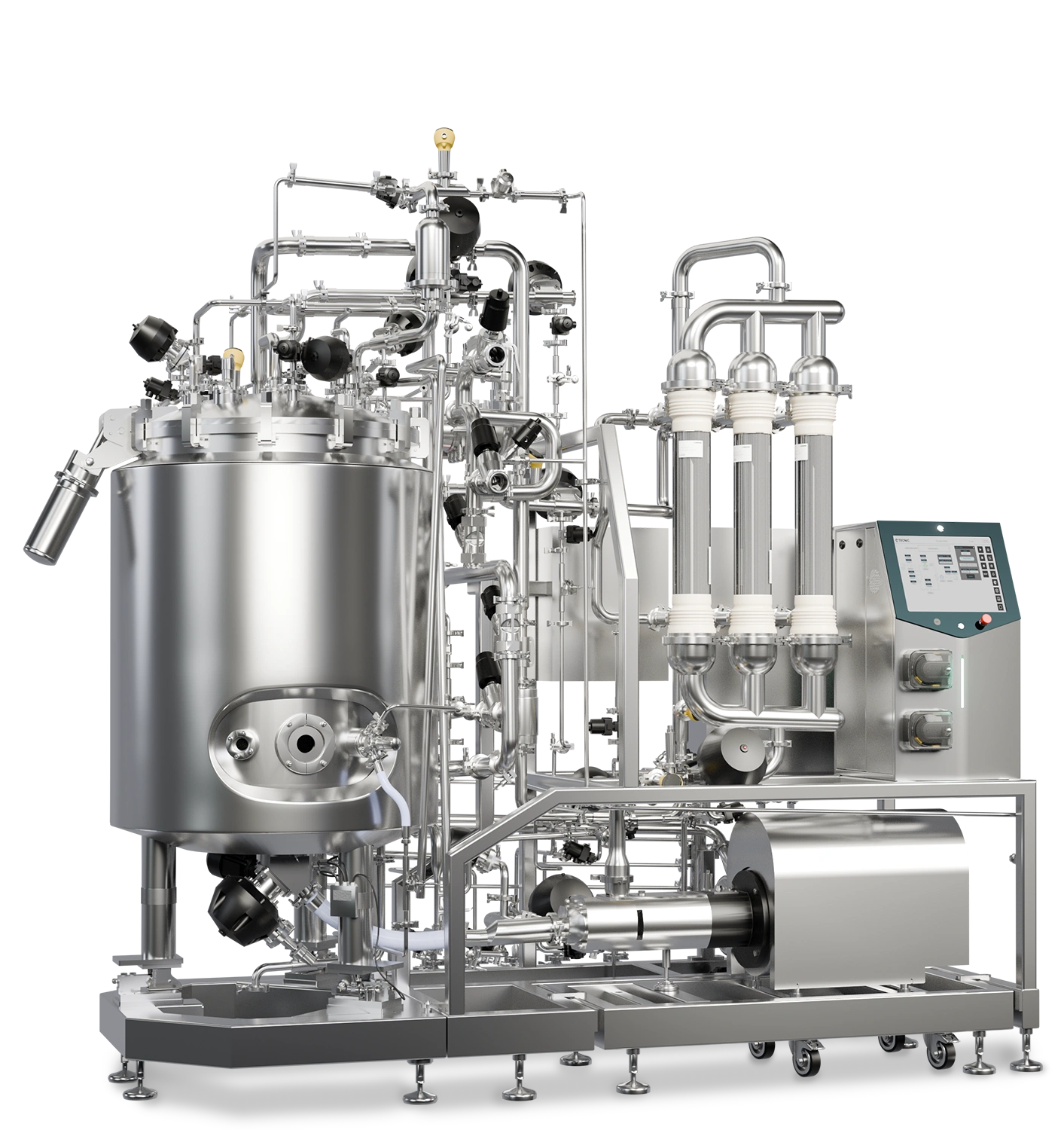
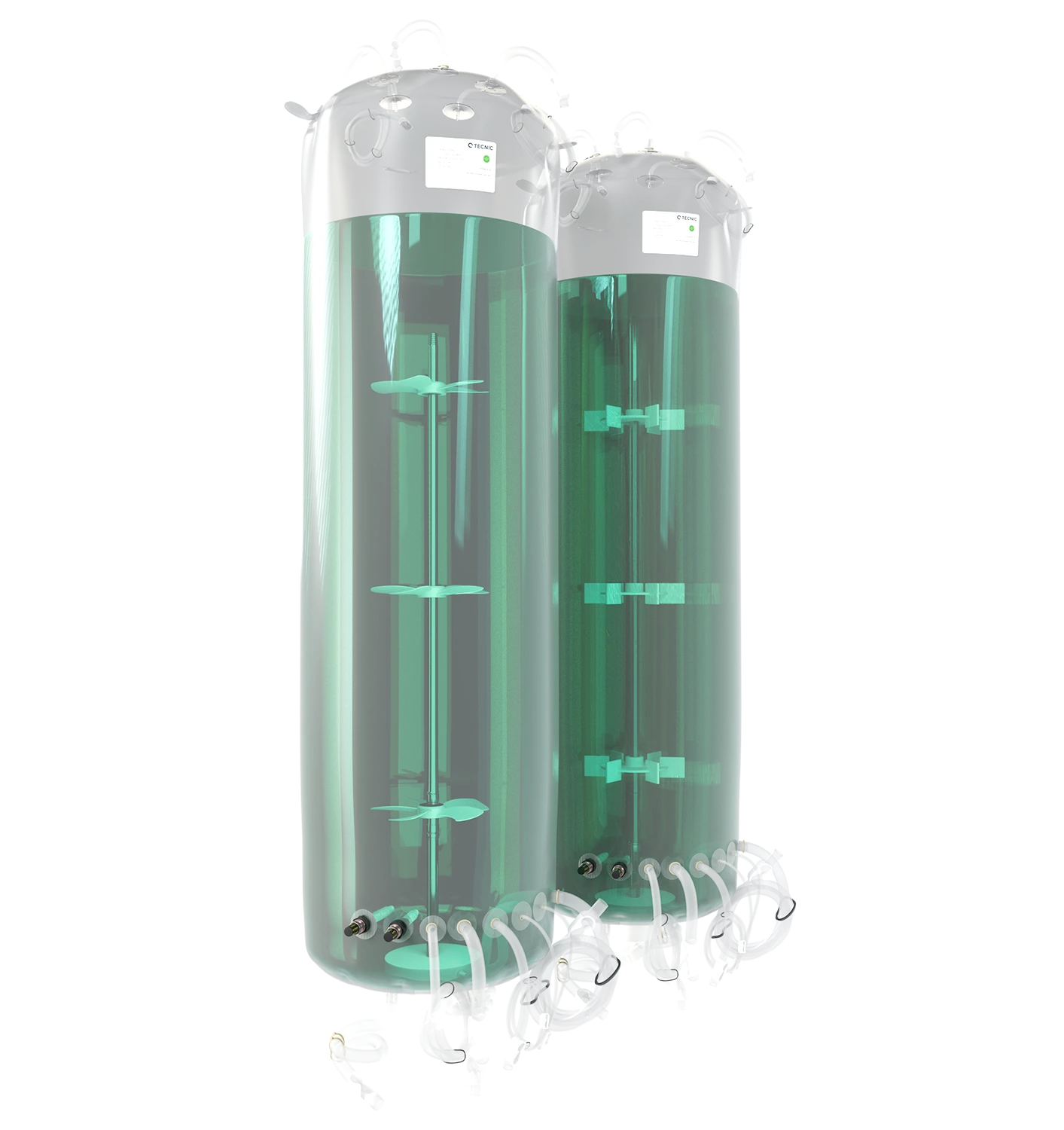
A bioreactor is a system made up of several coordinated parts. The vessel, agitation system, aeration, temperature control, sensors and aseptic ports all contribute to keeping the environment stable and usable for the chosen organism.
Contains the culture and defines part of the process geometry.
Helps mixing, nutrient distribution and gas transfer.
Supports oxygen supply and gas balance through sparging or related gas strategies.
Track variables such as temperature, pH and dissolved oxygen.
Allows additions, sampling and interventions while protecting sterility.

Main types of bioreactors
Different bioreactor types are used depending on the biology, the oxygen demand, the mixing strategy and the overall process objective. Common categories include stirred-tank, airlift, photobioreactor and packed-bed systems.
Single-use vs stainless steel bioreactors
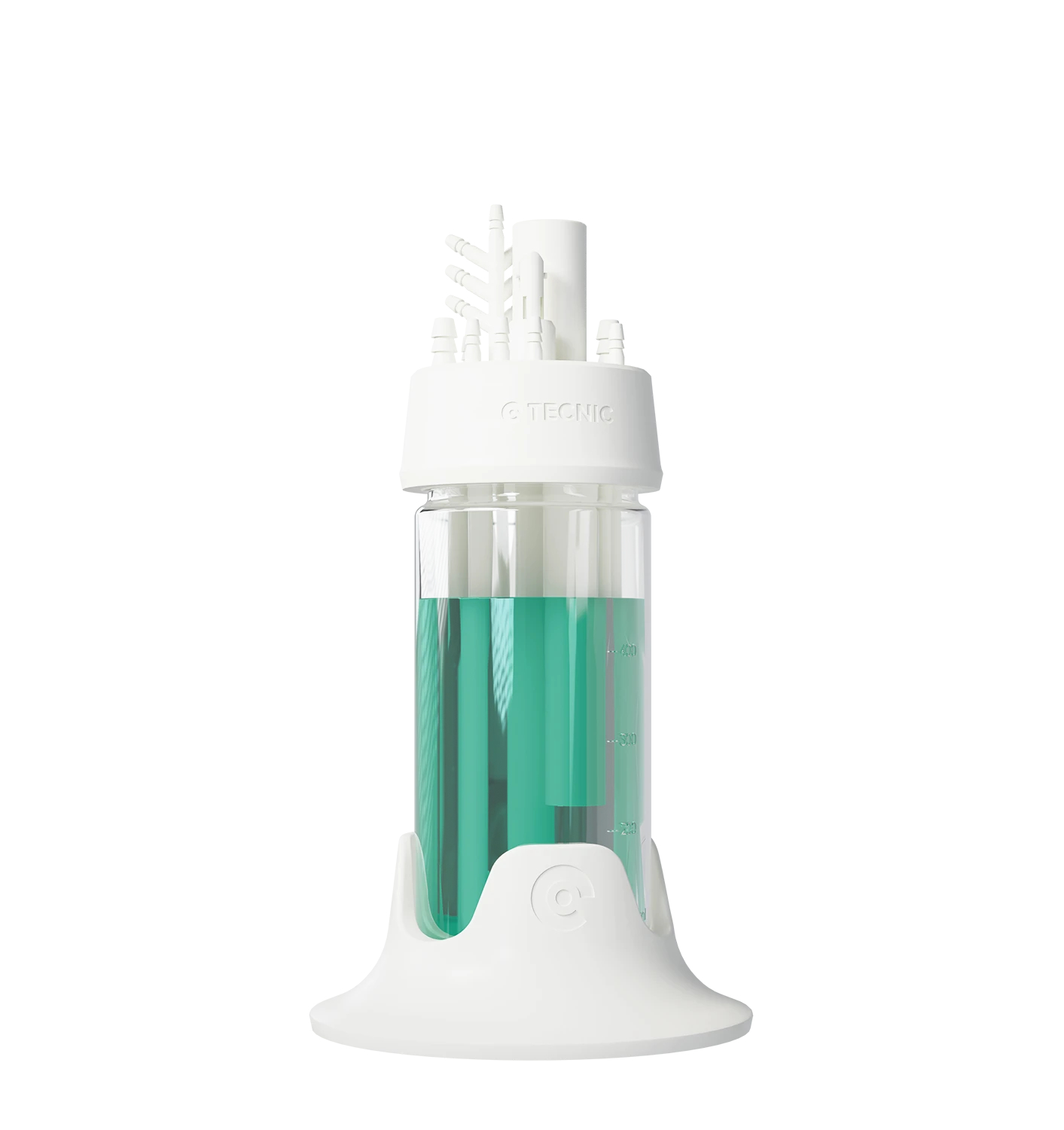
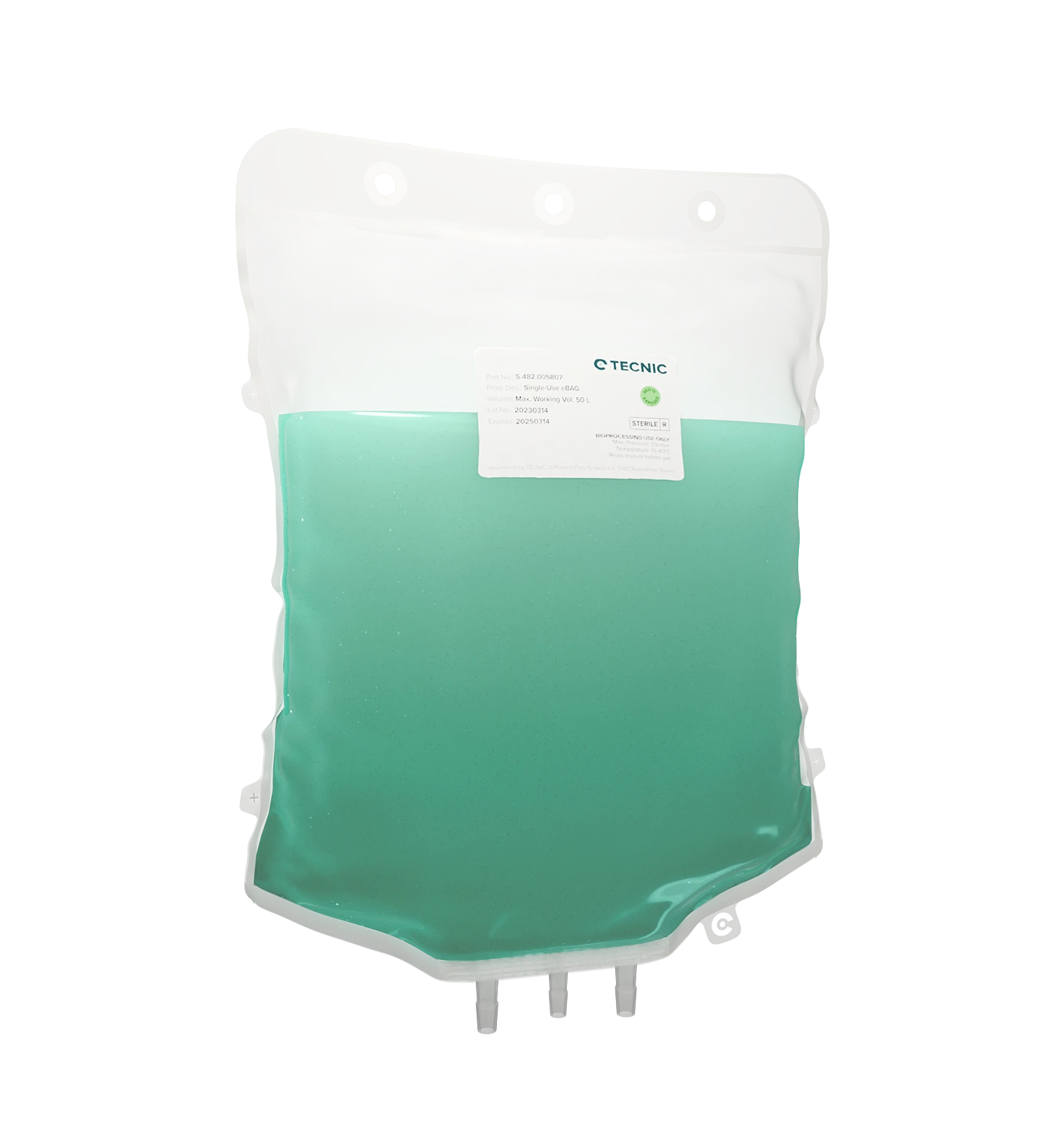
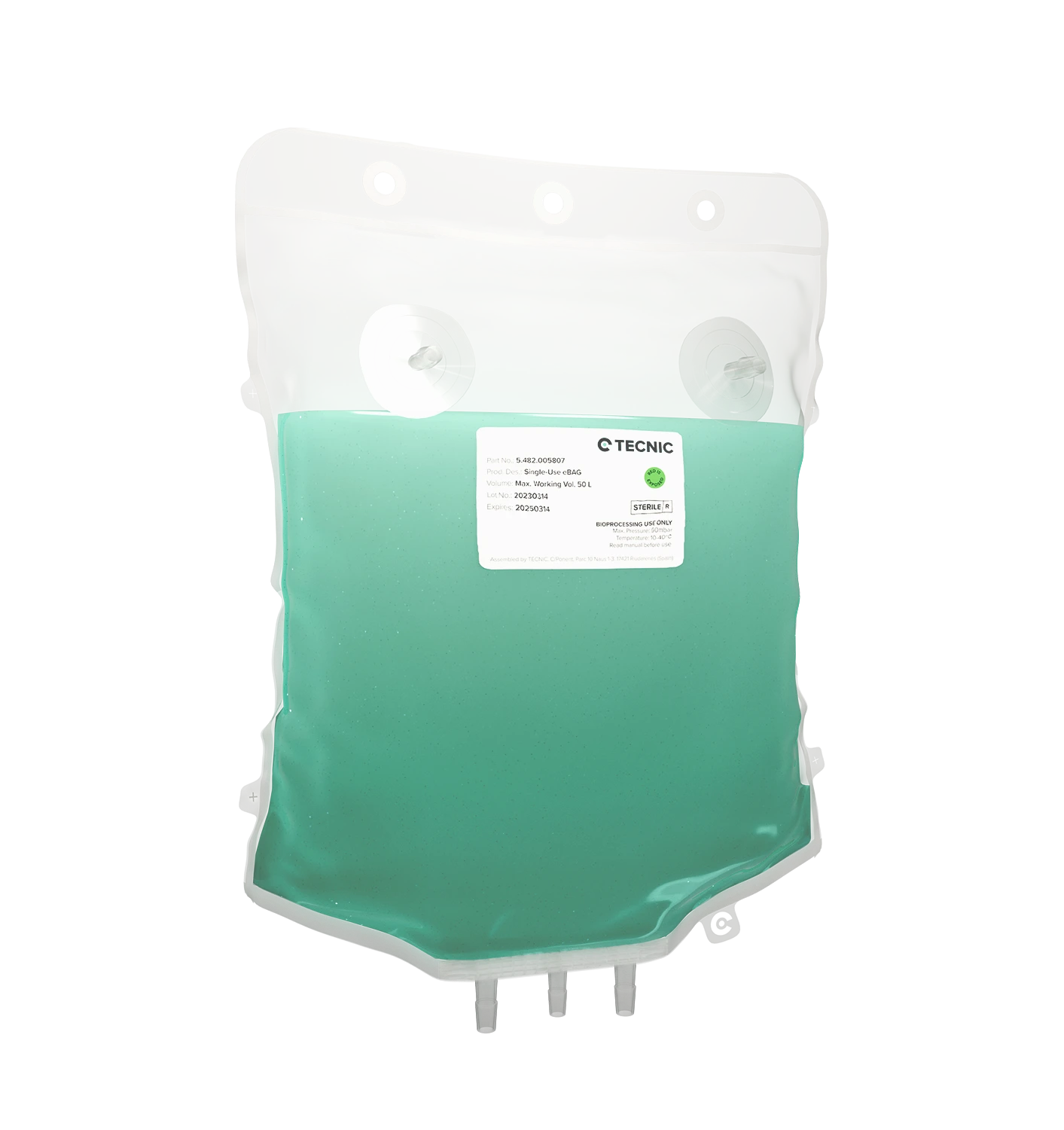
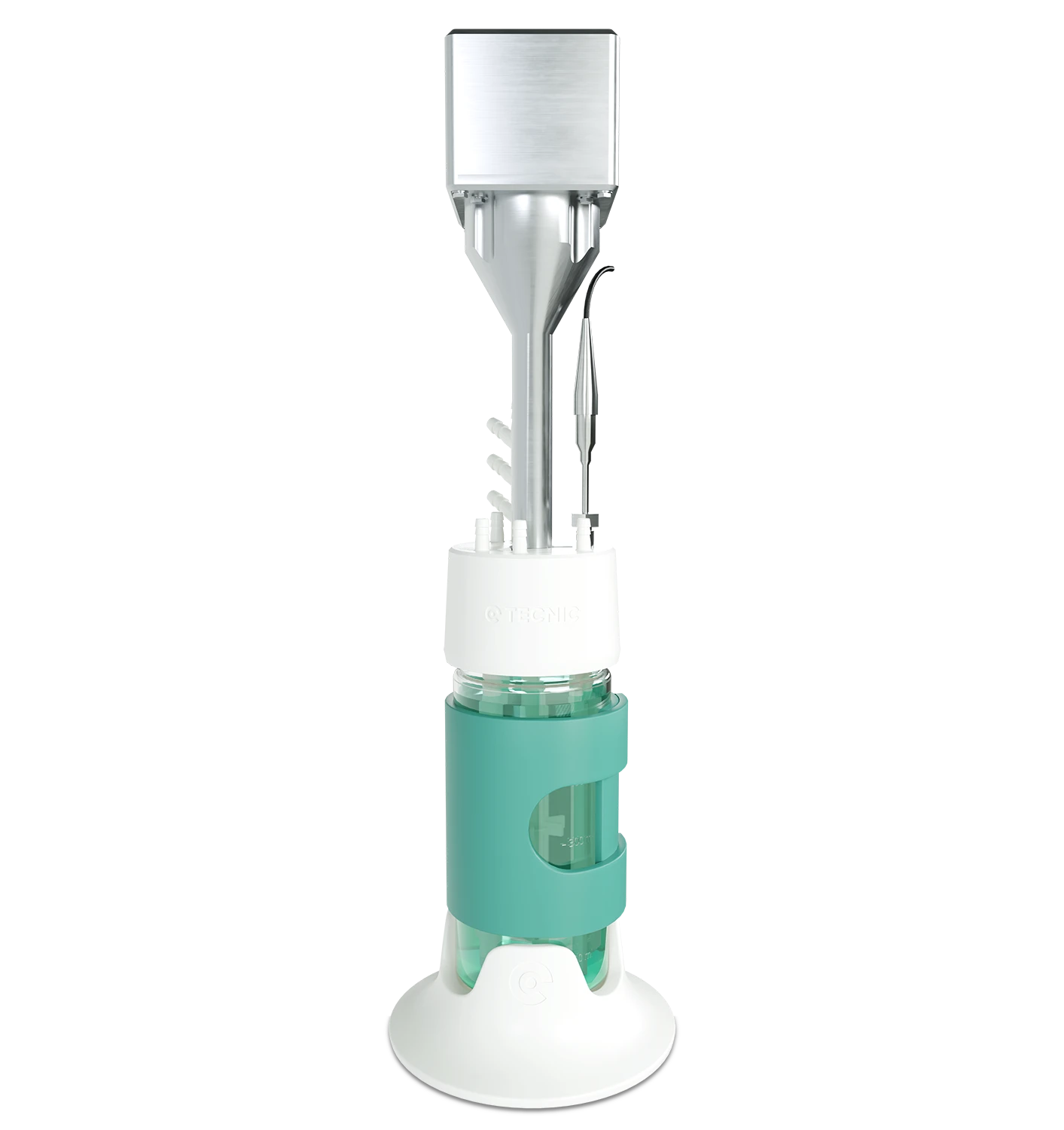
Both categories can support controlled cultivation, but they differ in hardware logic and operating model. Stainless steel systems are designed for repeated long-term use, while single-use systems rely on disposable product-contact paths and are often chosen for flexibility and reduced turnaround burden.
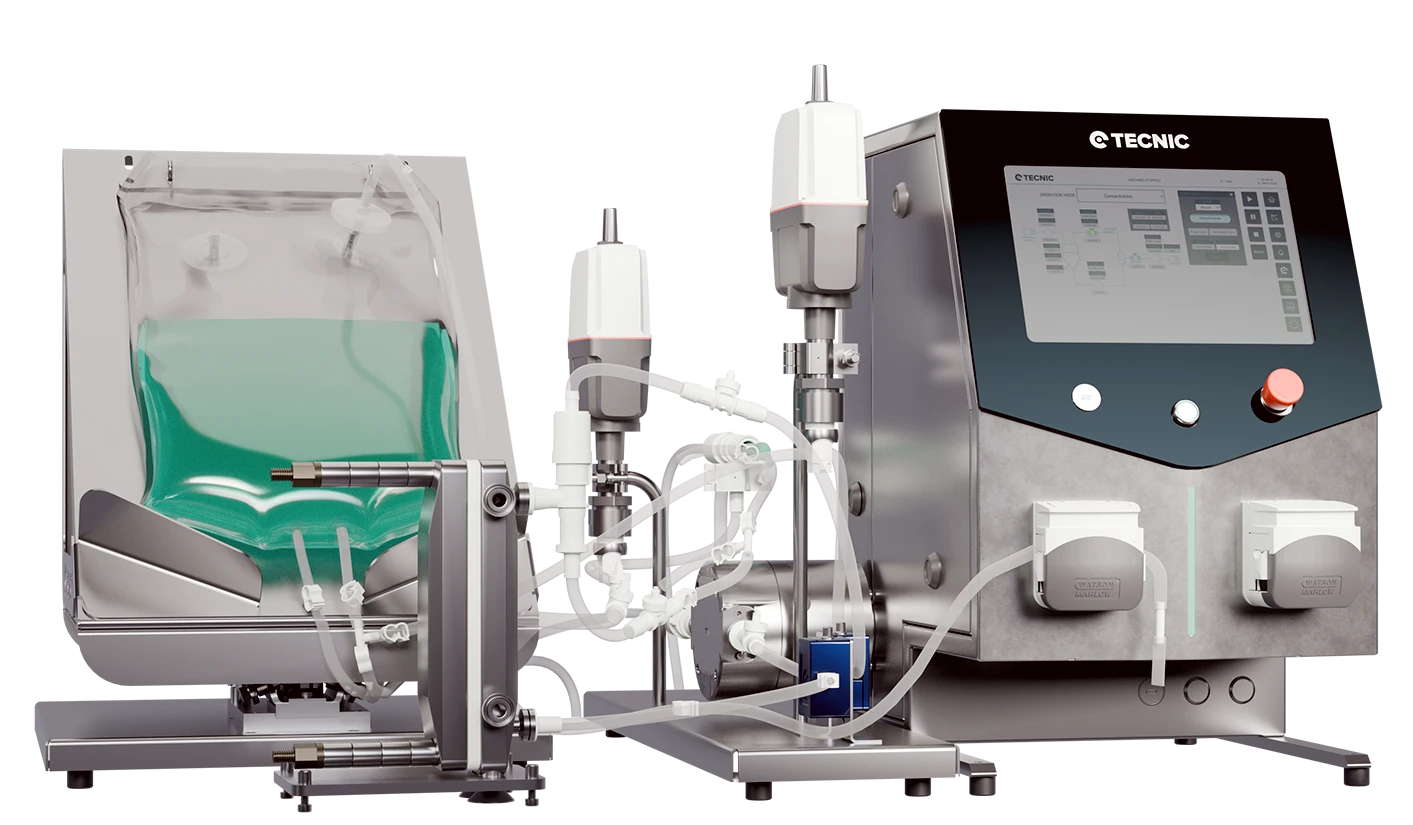
Single-use
Better suited when faster changeover, lower cleaning burden and flexible campaign planning matter most.
Stainless steel
Better suited when long-term reusable hardware, established utility infrastructure and durable plant integration are priorities.
The better choice depends on the process workflow, not only on the vessel material.
Where bioreactors are used
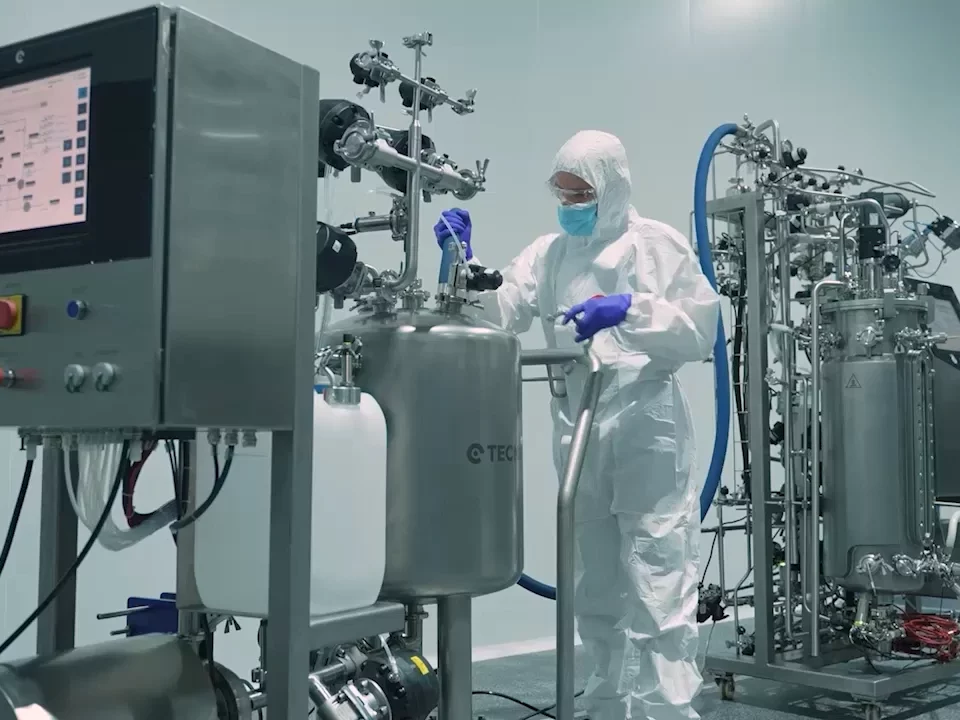
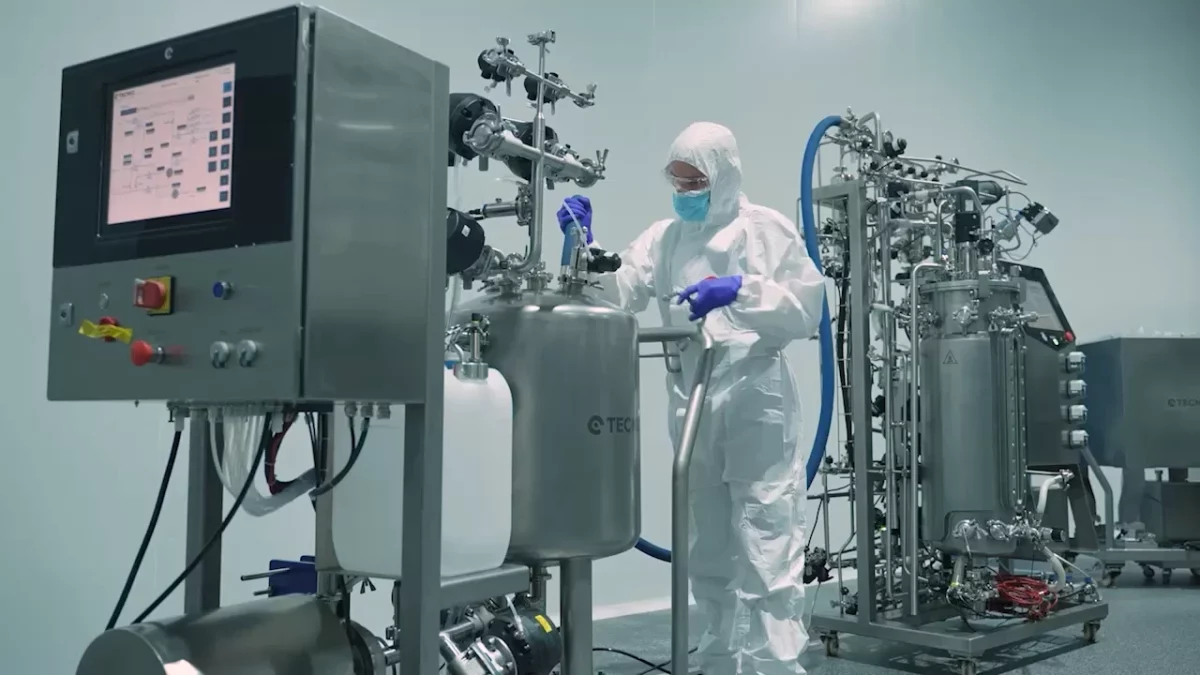
Bioreactors are relevant across many biotechnology applications. They are used in cell culture, microbial fermentation, biologics manufacturing, vaccine production and broader research-to-production workflows.
The exact operating strategy changes depending on whether the process is aimed at shear-sensitive cells or high-oxygen-demand microbial cultivation. That is why configuration, agitation and gas-transfer logic vary so much between applications.
How TECNIC fits this workflow
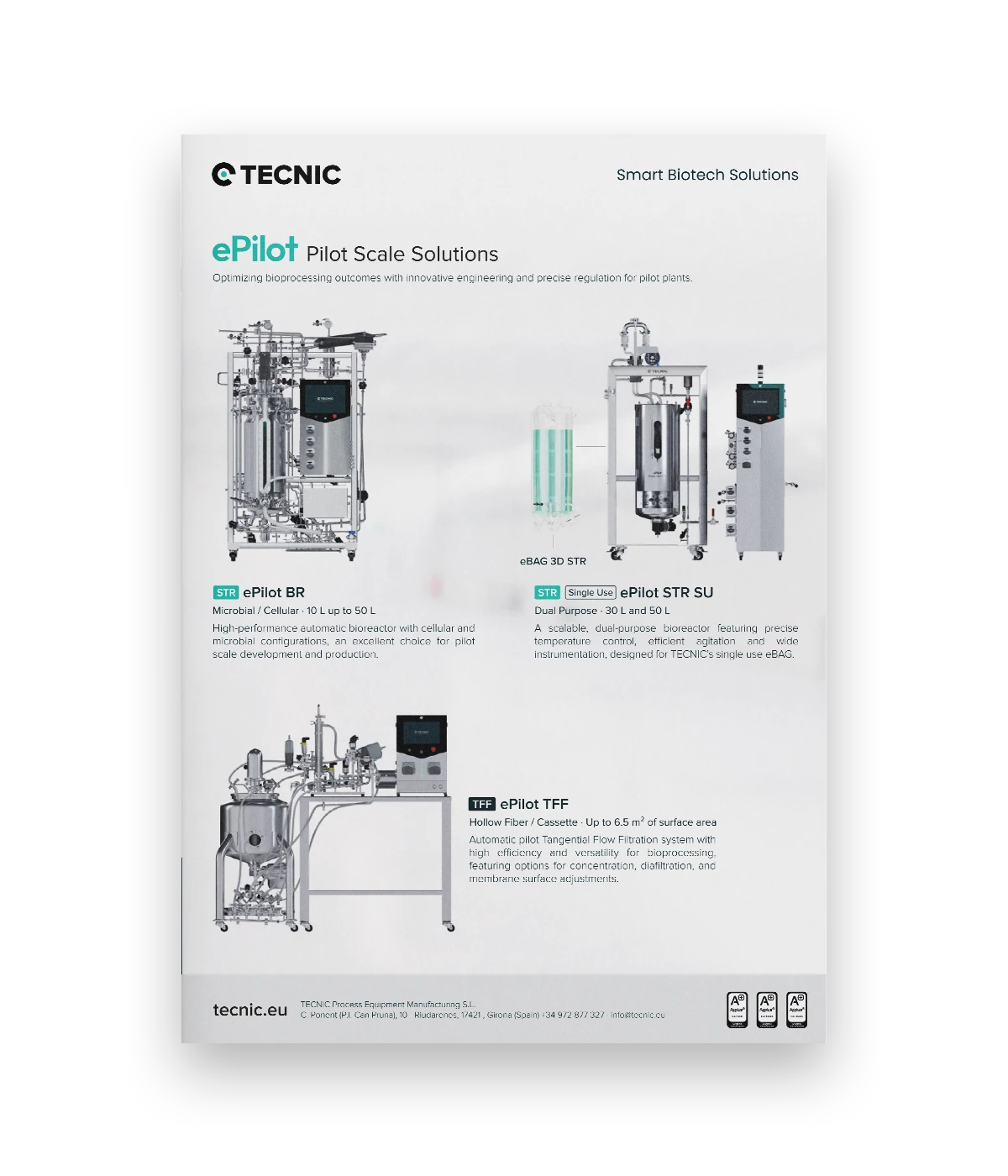
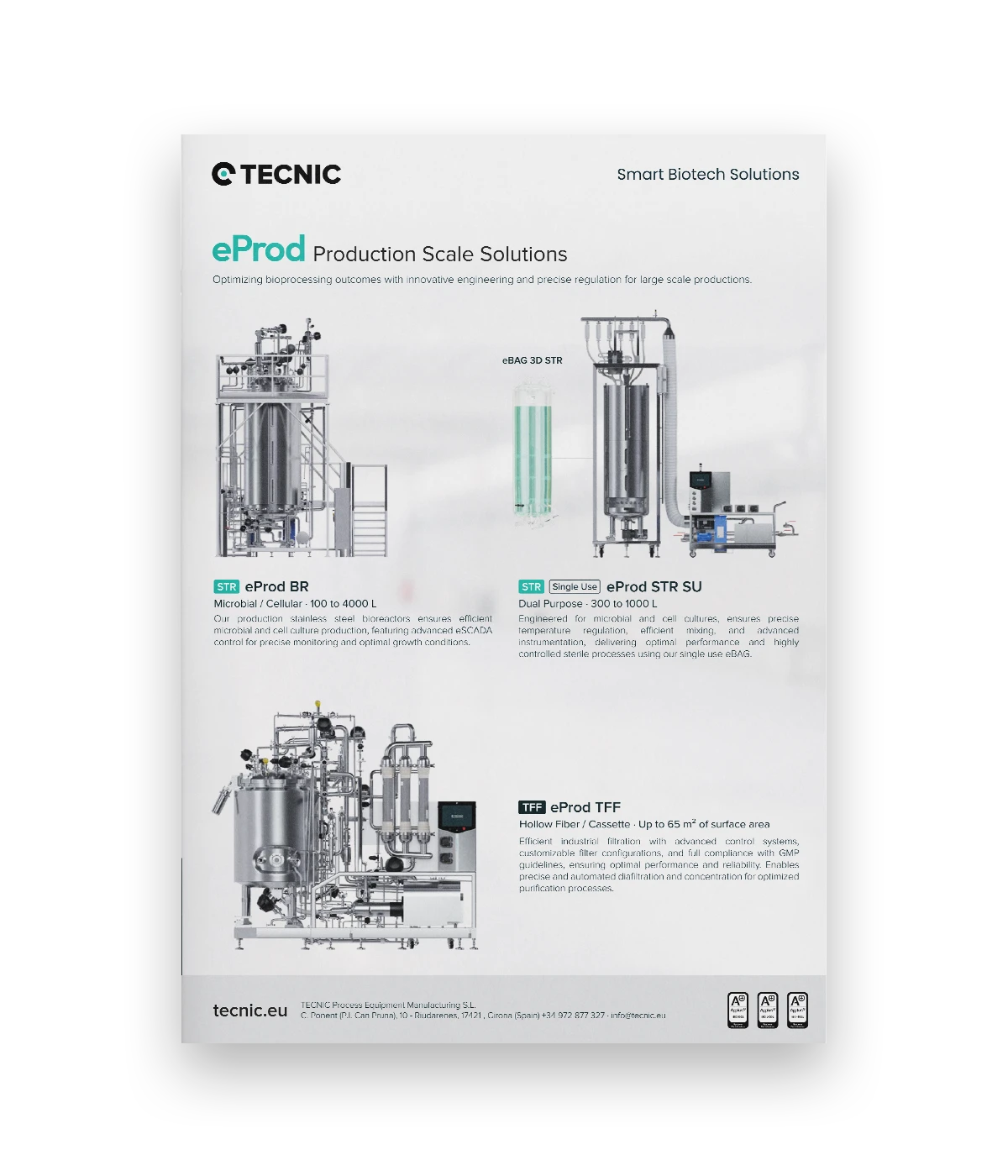
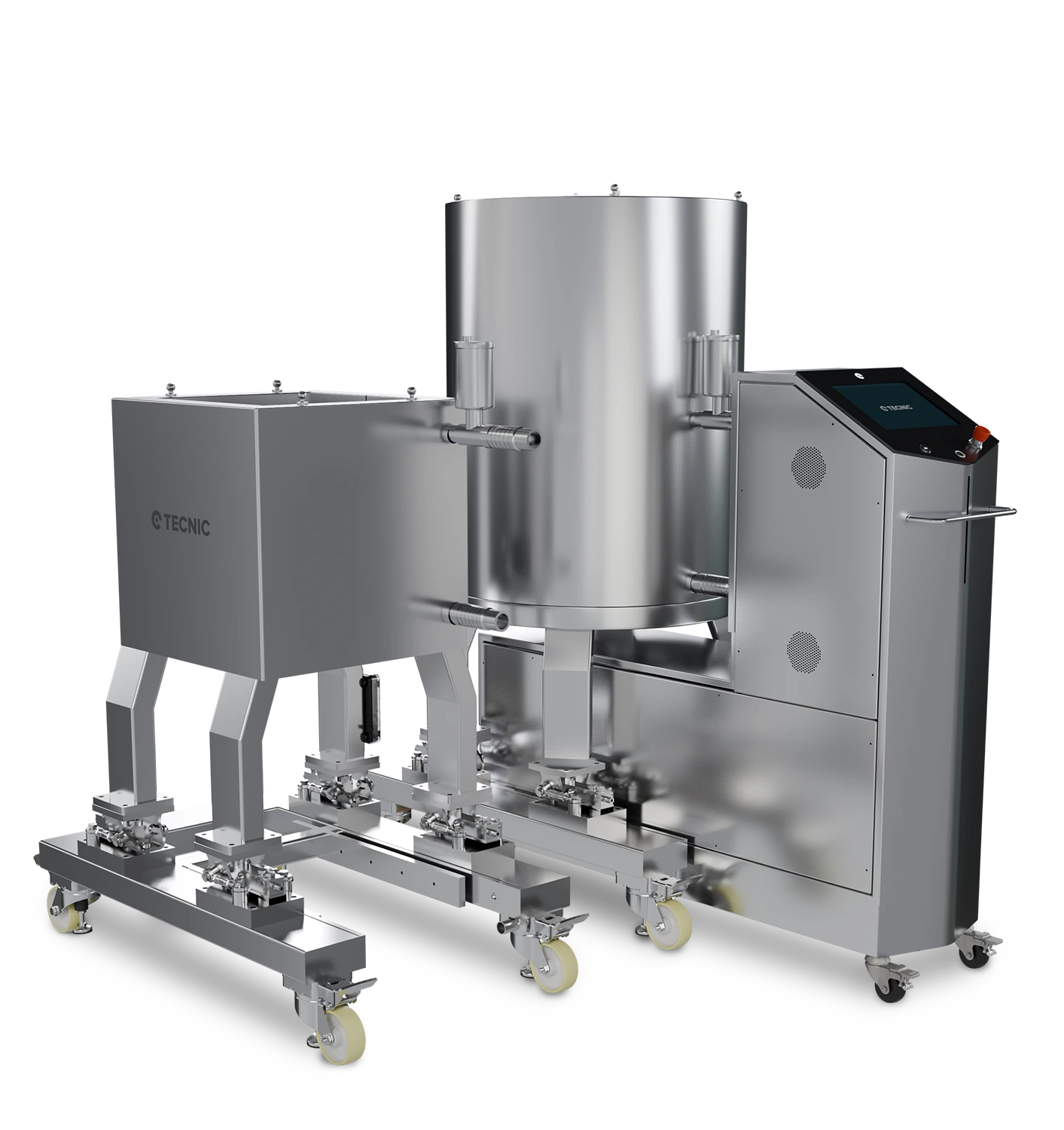
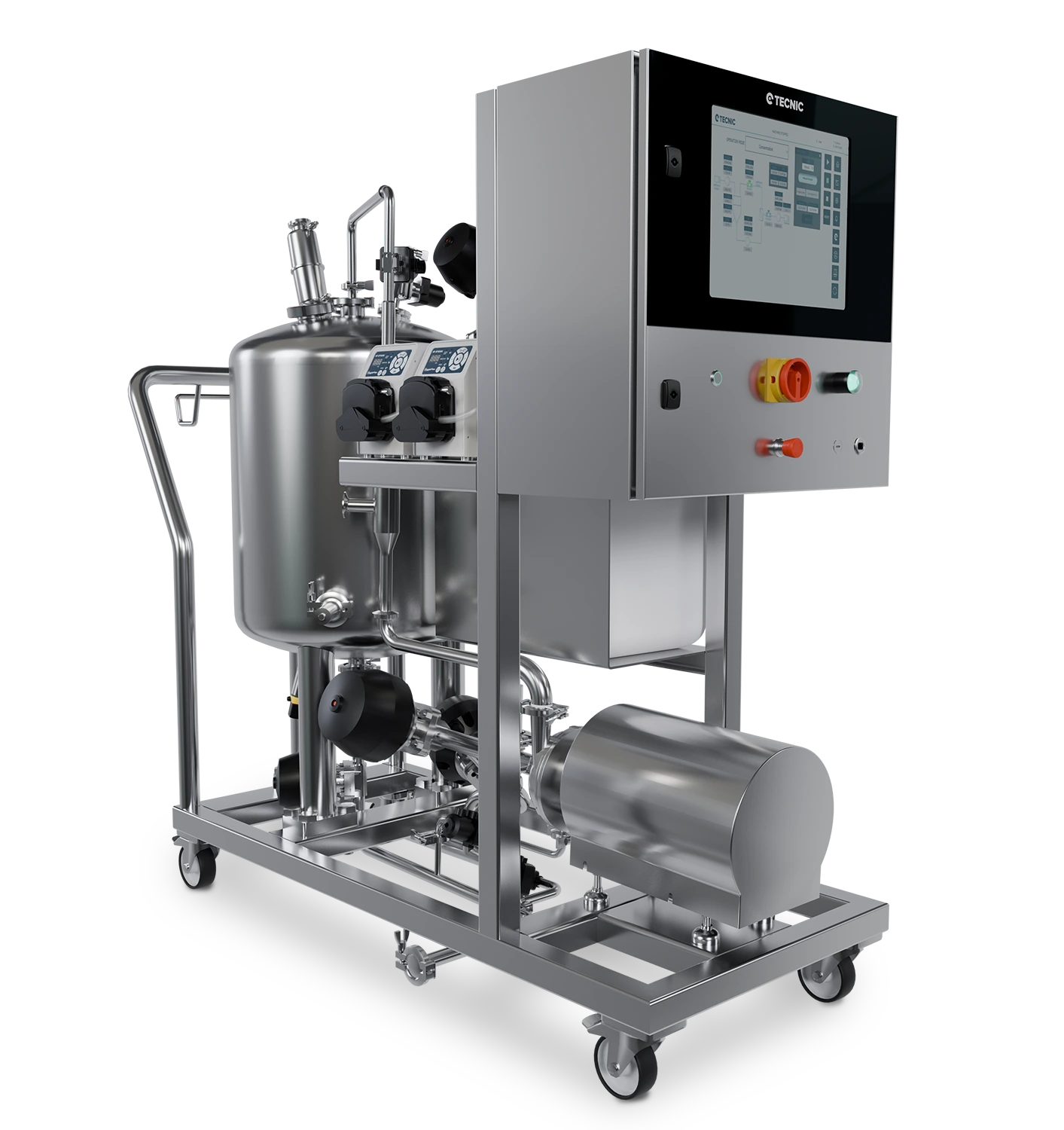
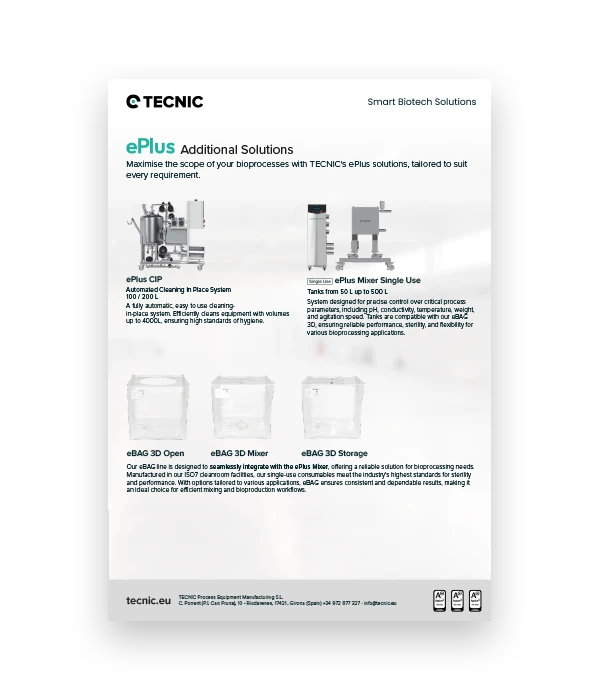
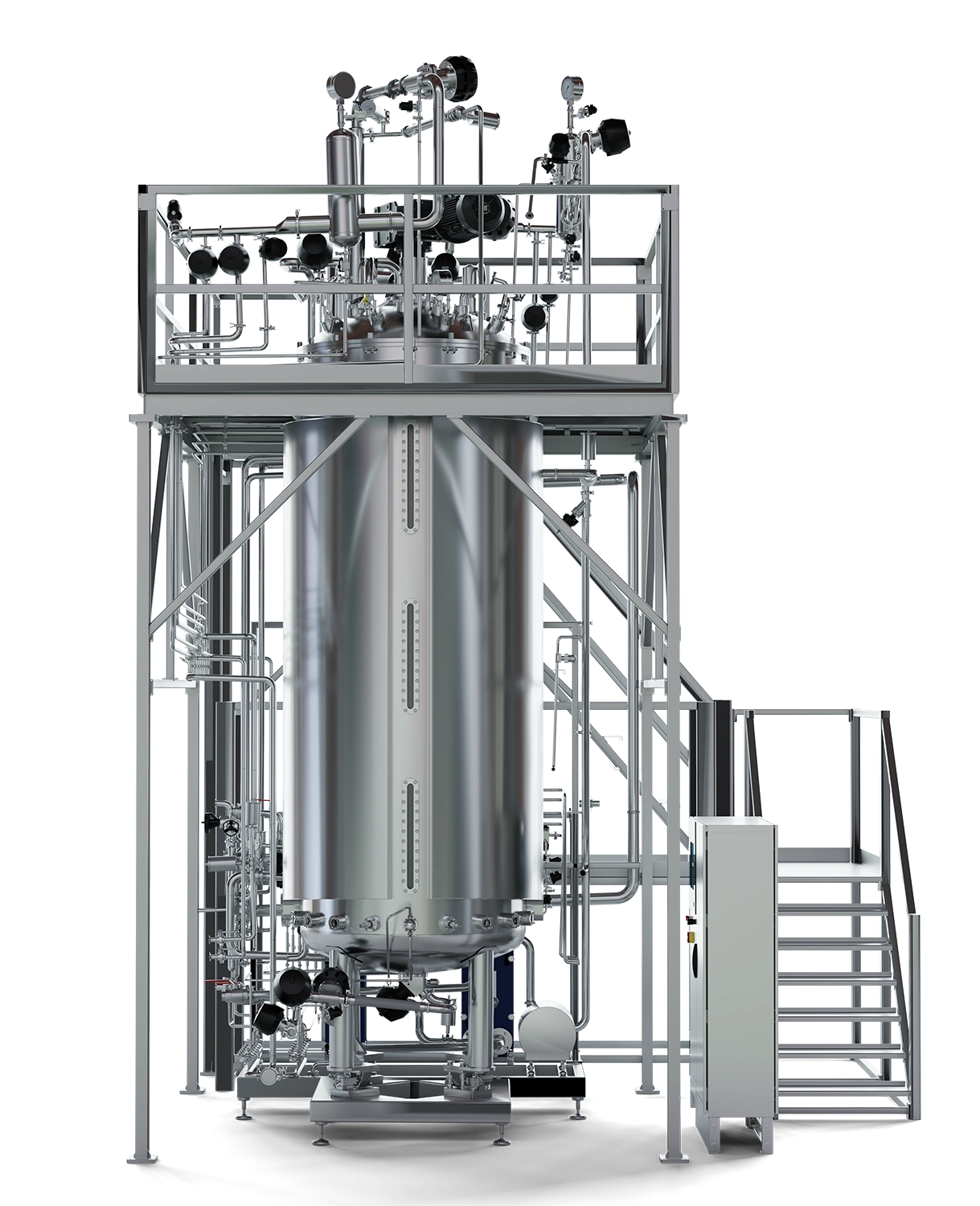
TECNIC’s range fits this topic especially well because it creates a clear scale path from laboratory to pilot and production, across both multi-use and single-use formats. That makes the concept of a bioreactor easier to understand in practical terms, not only as a definition but as a real process route.
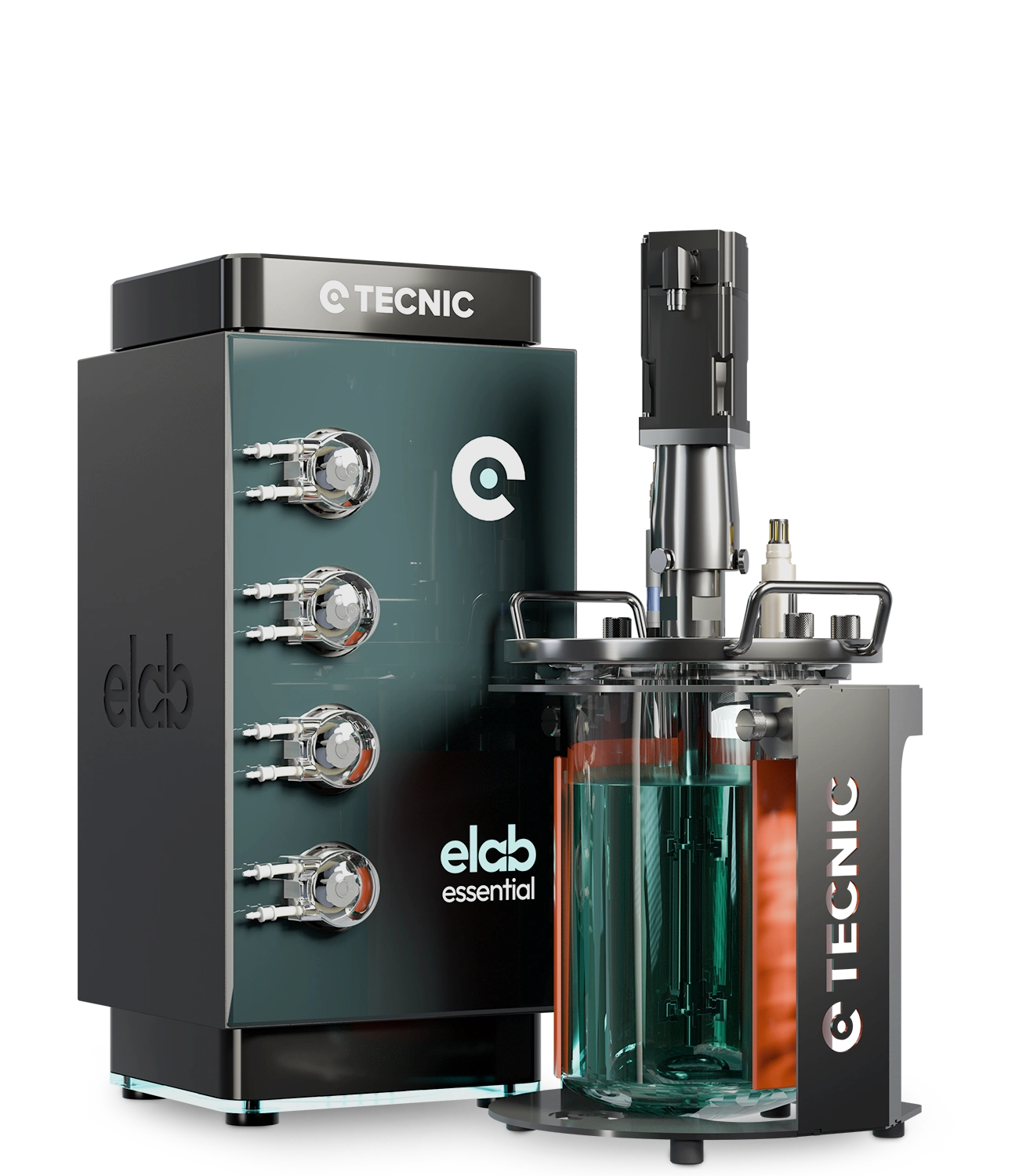
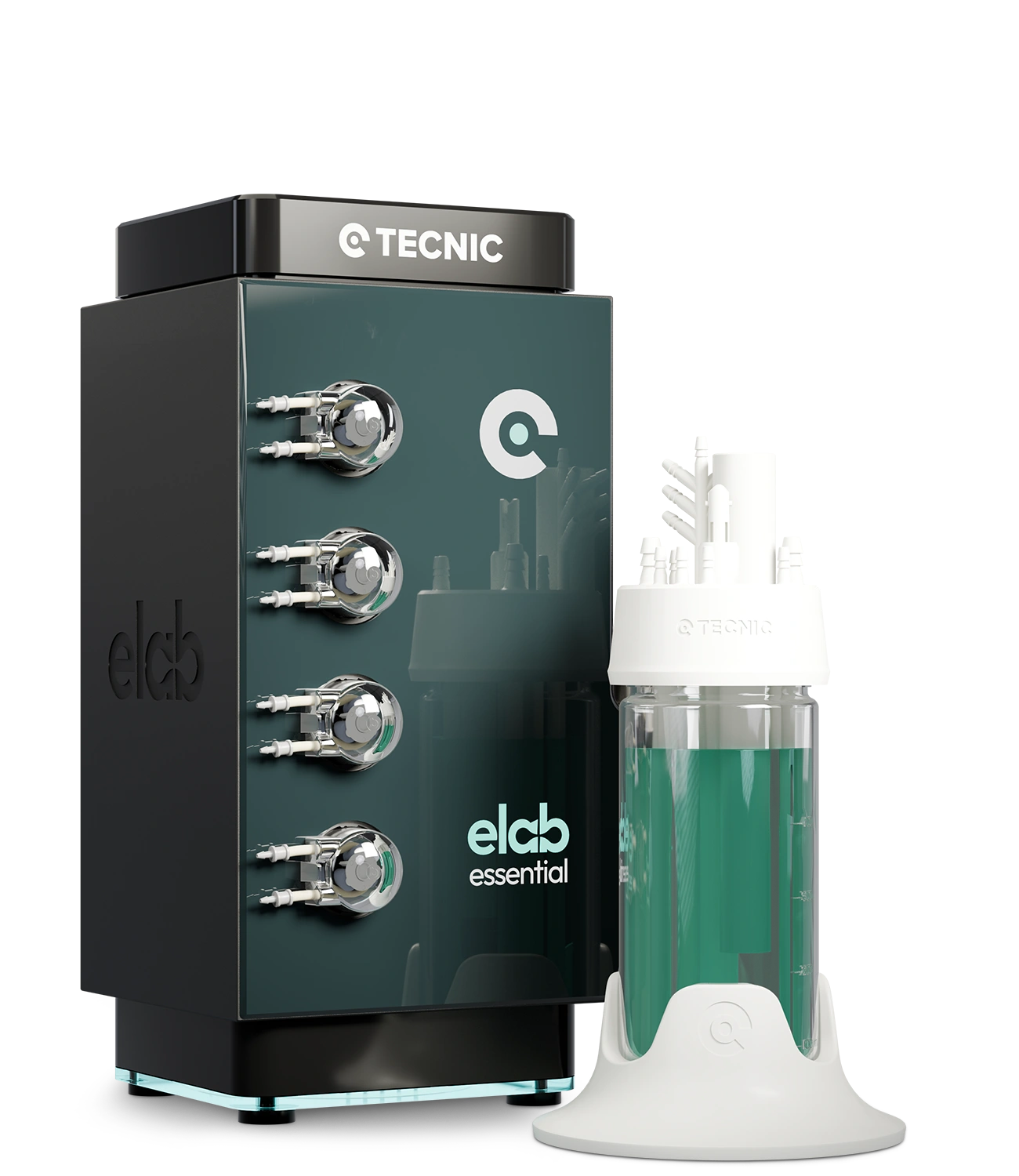
Laboratory bioreactors
A natural starting point for process development, research and early cultivation control.
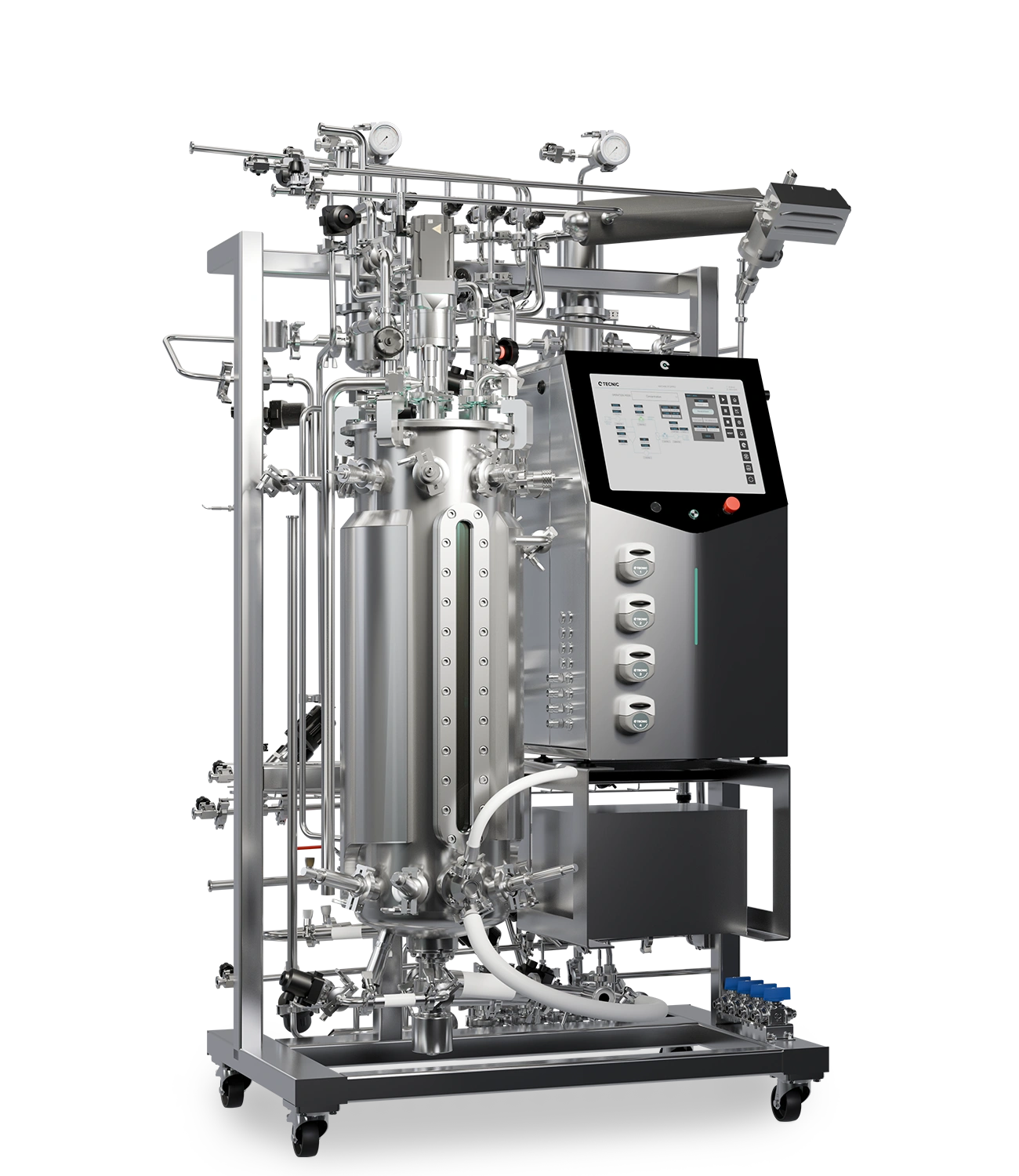
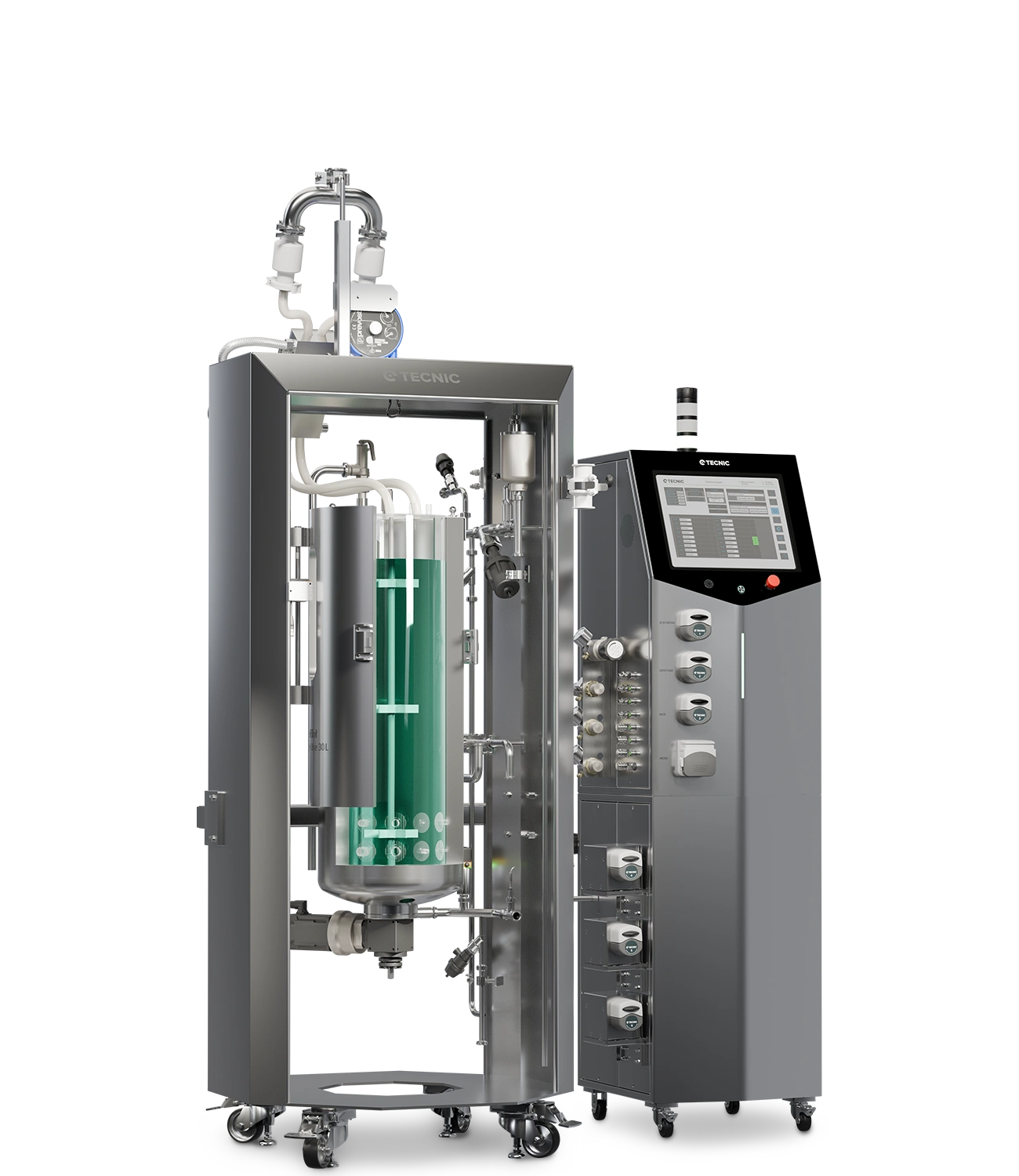
Pilot bioreactors
The bridge where a promising culture process starts proving itself under larger and more demanding conditions.
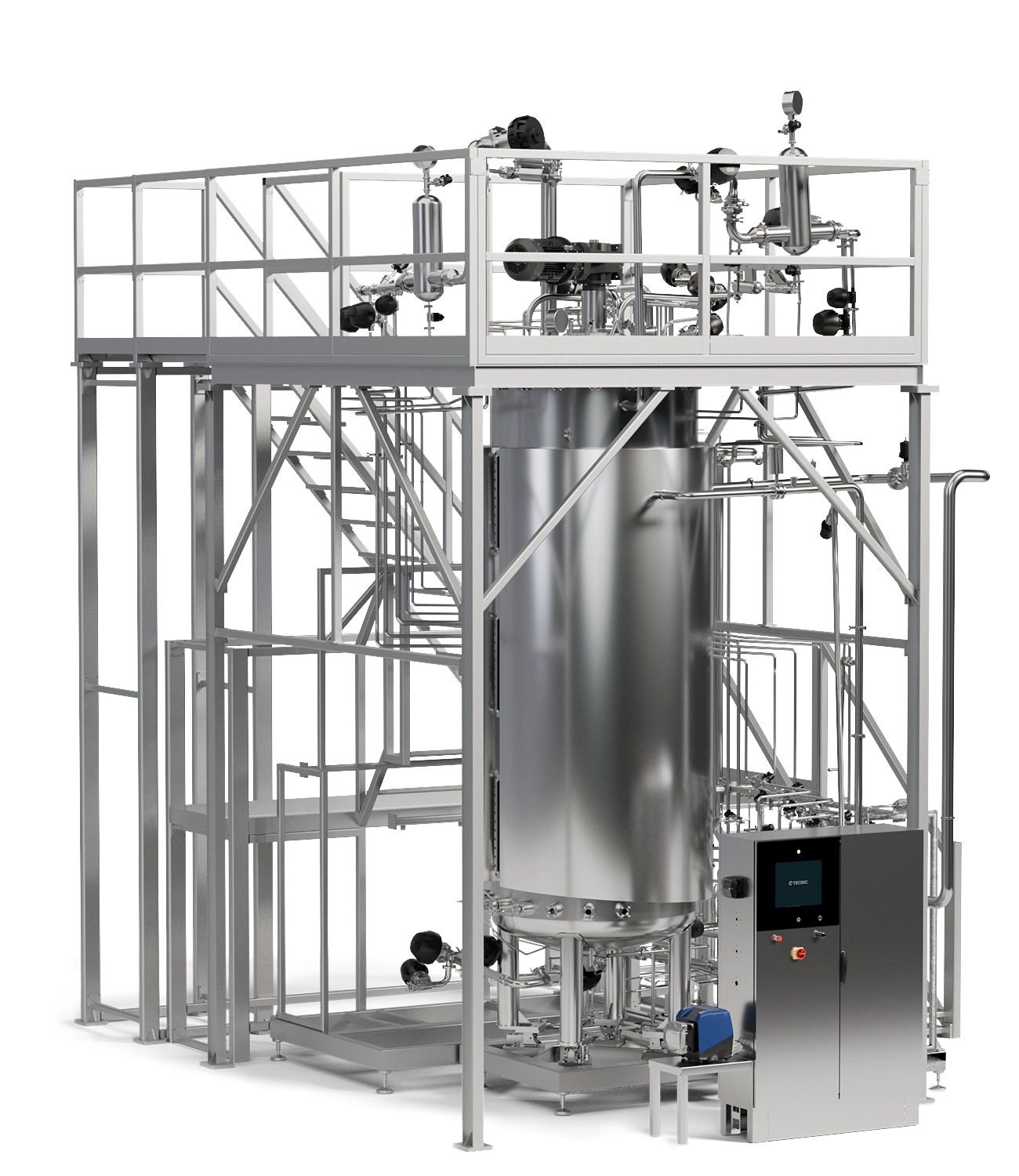
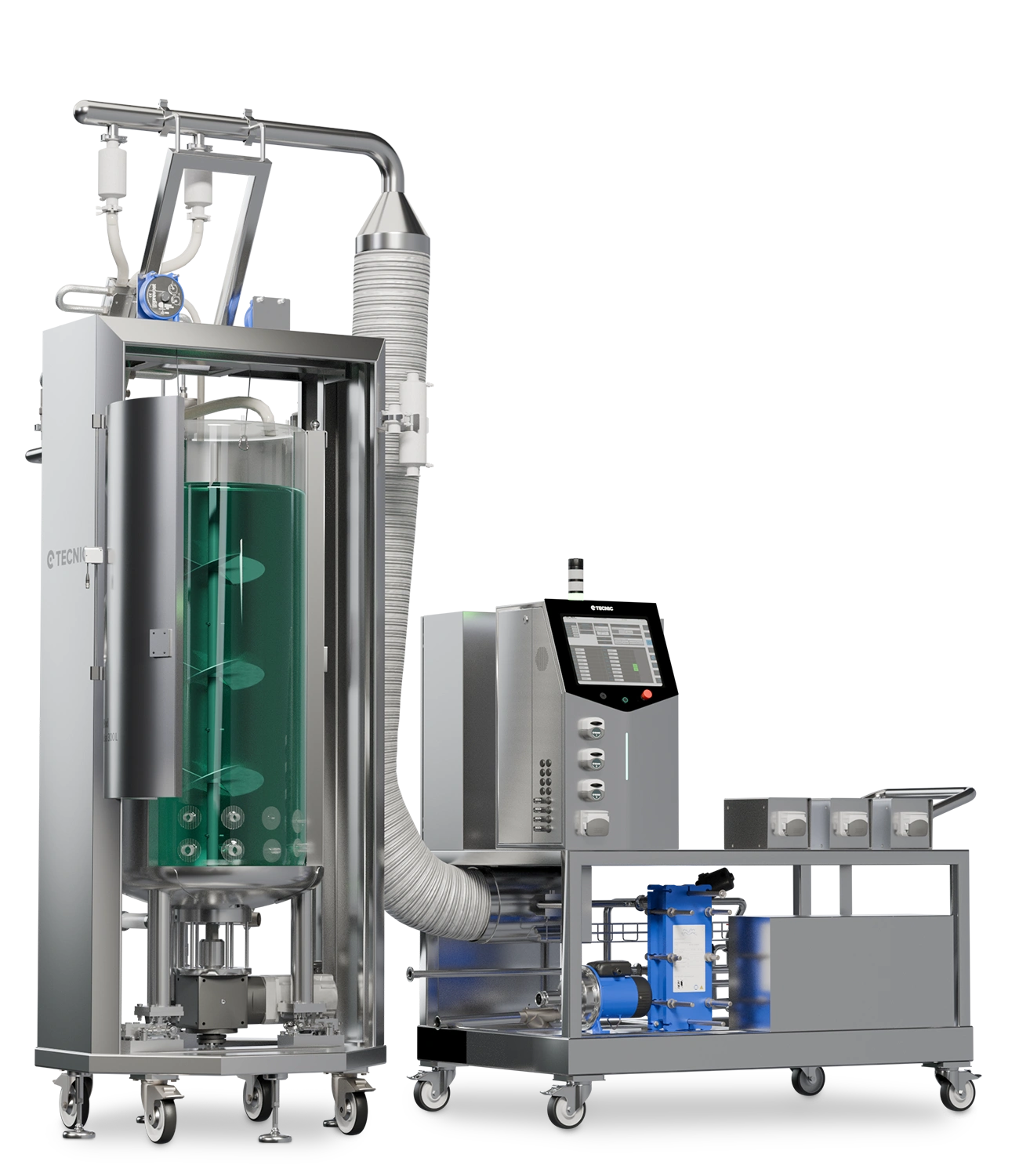
Production bioreactors
Important when the goal is reproducible industrial-scale operation under full process control.
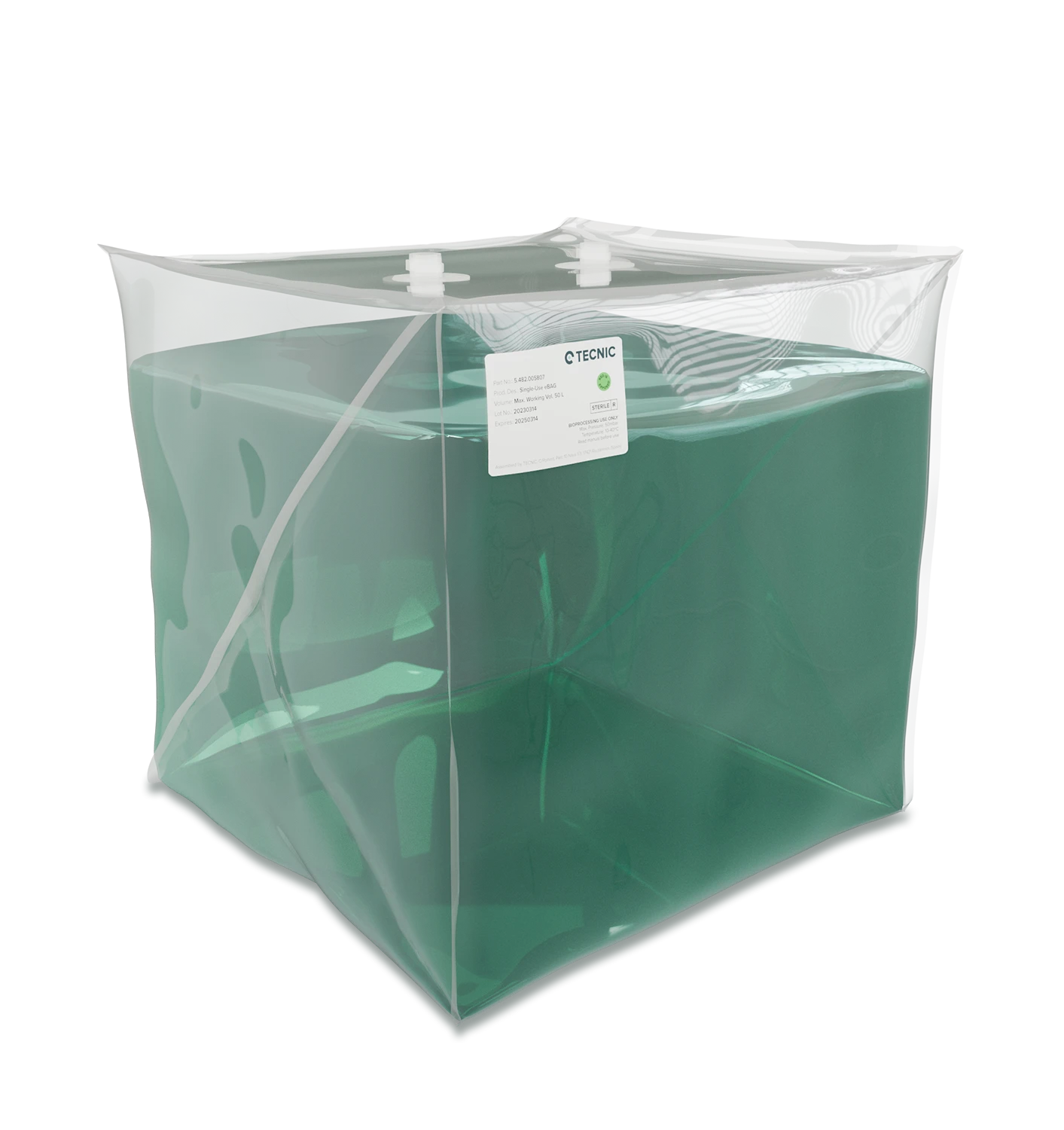
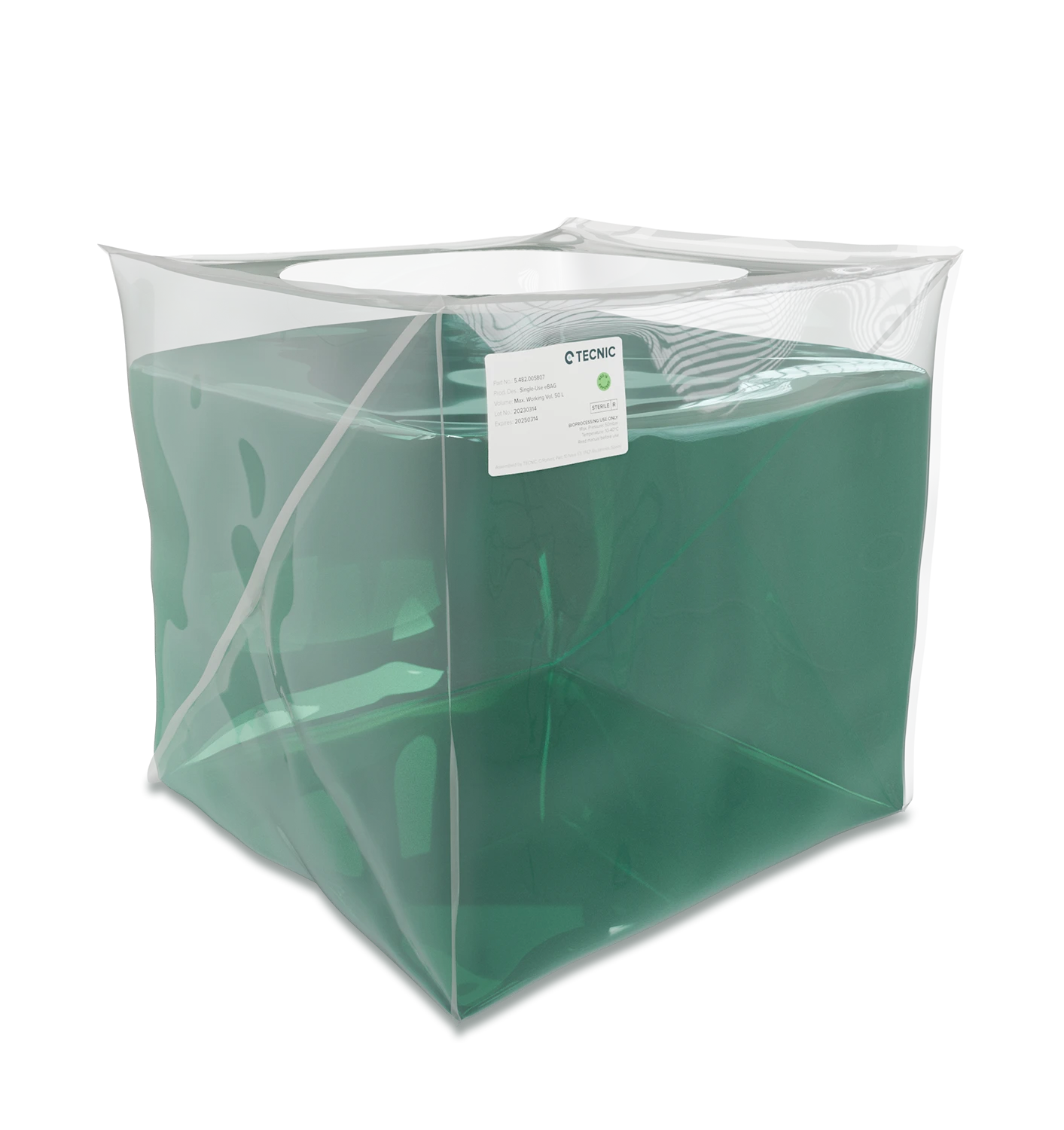
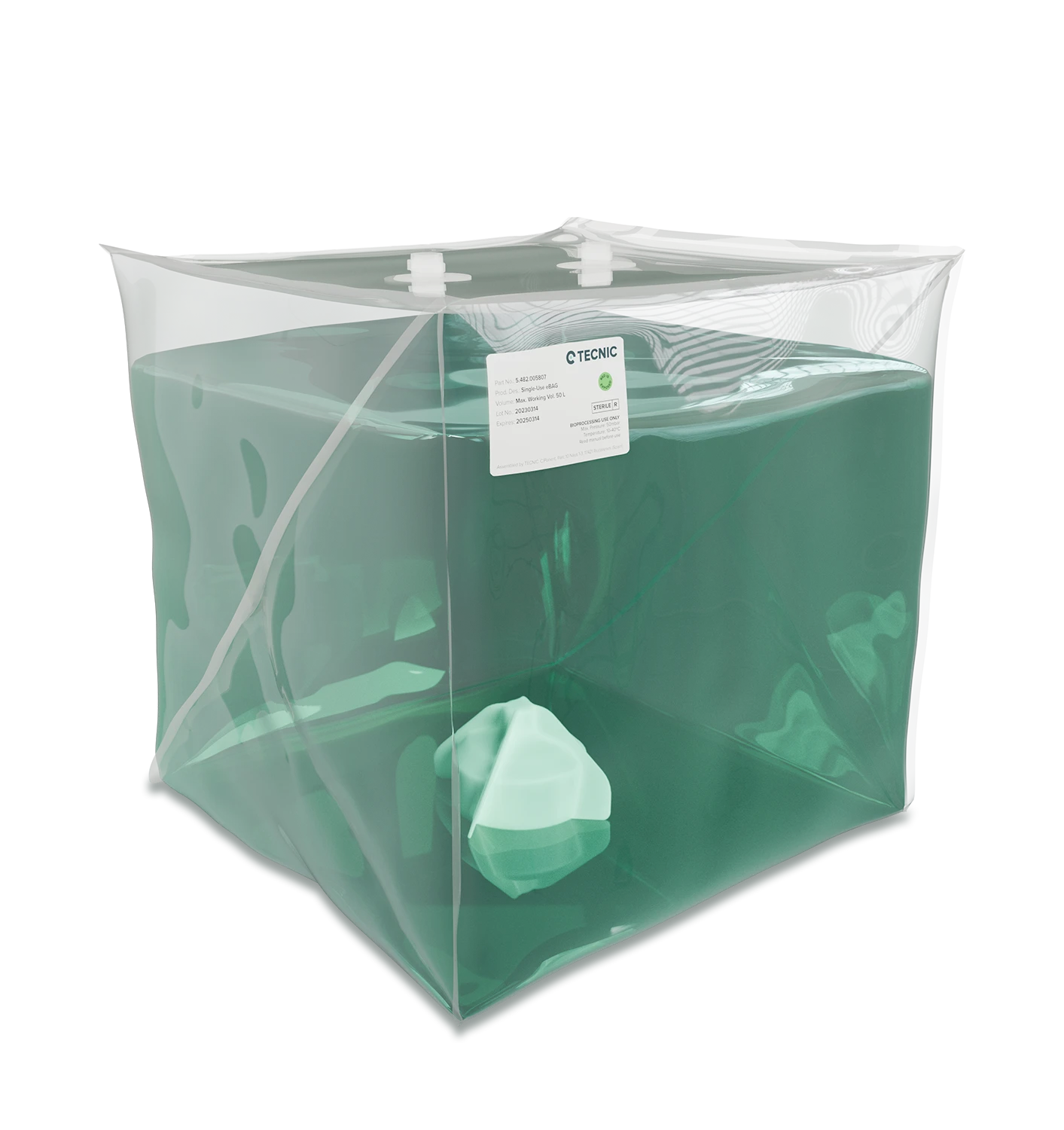
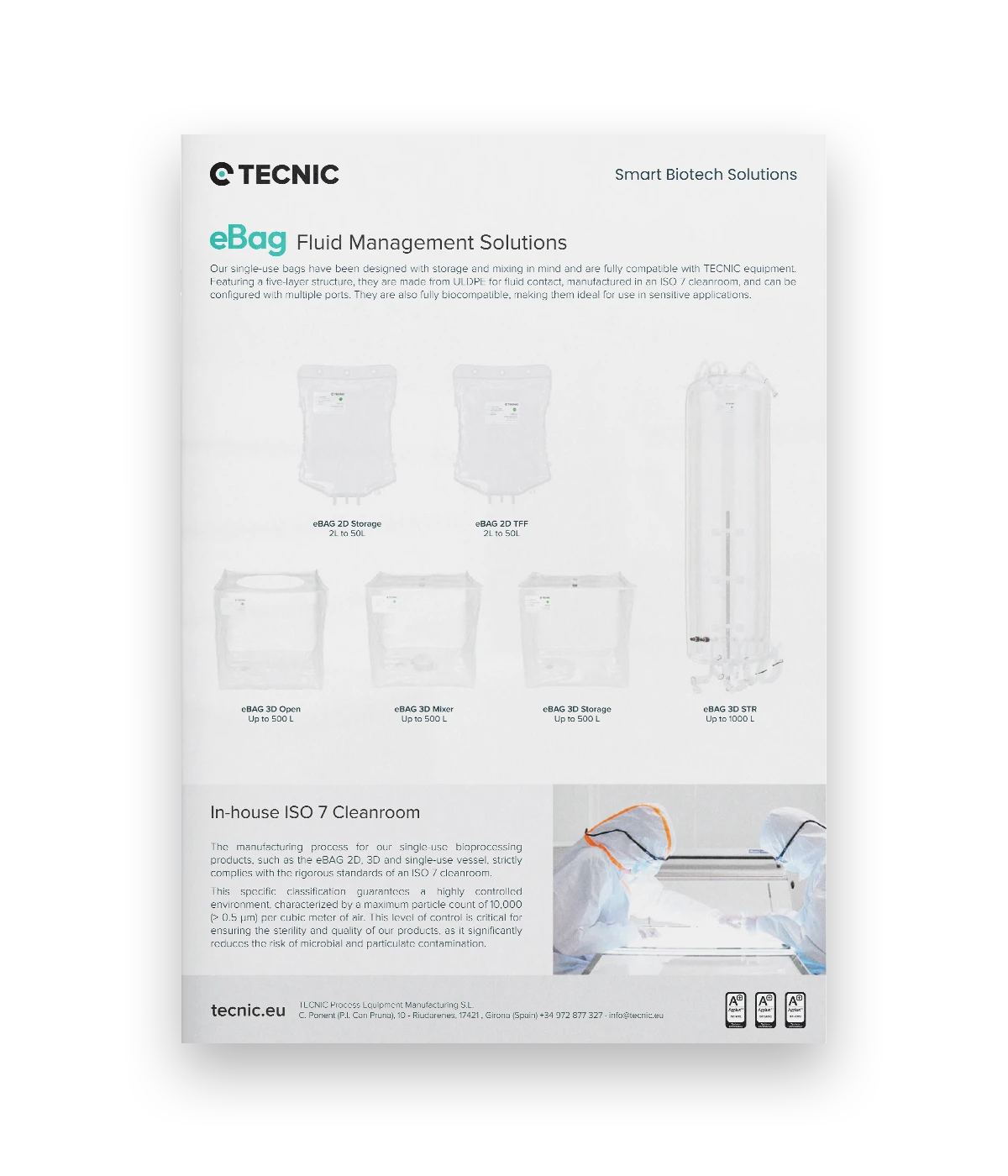
Single-use bioreactors
Useful when flexibility, lower turnaround burden and disposable product-contact paths are part of the process strategy.
This article works best when the reader sees the bioreactor not as an isolated machine, but as the central controlled environment of the whole cultivation process.
Frequently asked questions
What is a bioreactor?
It is a vessel or device that provides a controlled environment for growing cells or microorganisms.
Why use a bioreactor instead of flasks?
Because a bioreactor offers stronger control over parameters such as pH, temperature, dissolved oxygen and mixing, which improves consistency and scalability.
What are the main components of a bioreactor?
The main elements usually include the vessel, agitation, aeration, temperature control, sensors and aseptic access points.
What types of bioreactors are there?
Common types include stirred-tank, airlift, photobioreactor and packed-bed designs.
What is the difference between single-use and stainless steel bioreactors?
Single-use systems rely on disposable product-contact paths for flexibility and faster changeover, while stainless steel systems are designed for repeated long-term reuse and fixed plant integration.
Reviewing which bioreactor path fits your process best?
Explore TECNIC’s bioreactor range or speak with our team to review the right setup from lab to production.